Algeria
 Egypt
 Libya
 Morocco
 Sudan
 Tunisia
 Benin
 Burkina Faso
 Cabo Verde
 Côte d'Ivoire
 Ghana
 Guinea
 Guinea-Bissau
 Liberia
 Mali
 Mauritania
 Niger
 Senegal
 Sierra Leone
 The Gambia
 Togo
 Cameroon
 Central African Republic
 Chad
 DR Congo
 Equatorial Guinea
 Gabon
 Republic of the Congo
 São Tomé and Príncipe
 Burundi
 Comoros
 Djibouti
 Eritrea
 Ethiopia
 Kenya
 Madagascar
 Malawi
 Mauritius
 Mozambique
 Rwanda
 Seychelles
 Somalia
 South Sudan
 Tanzania
 Uganda
 Angola
 Botswana
 Eswatini
 Lesotho
 Namibia
 South Africa
 Zambia
 Zimbabwe
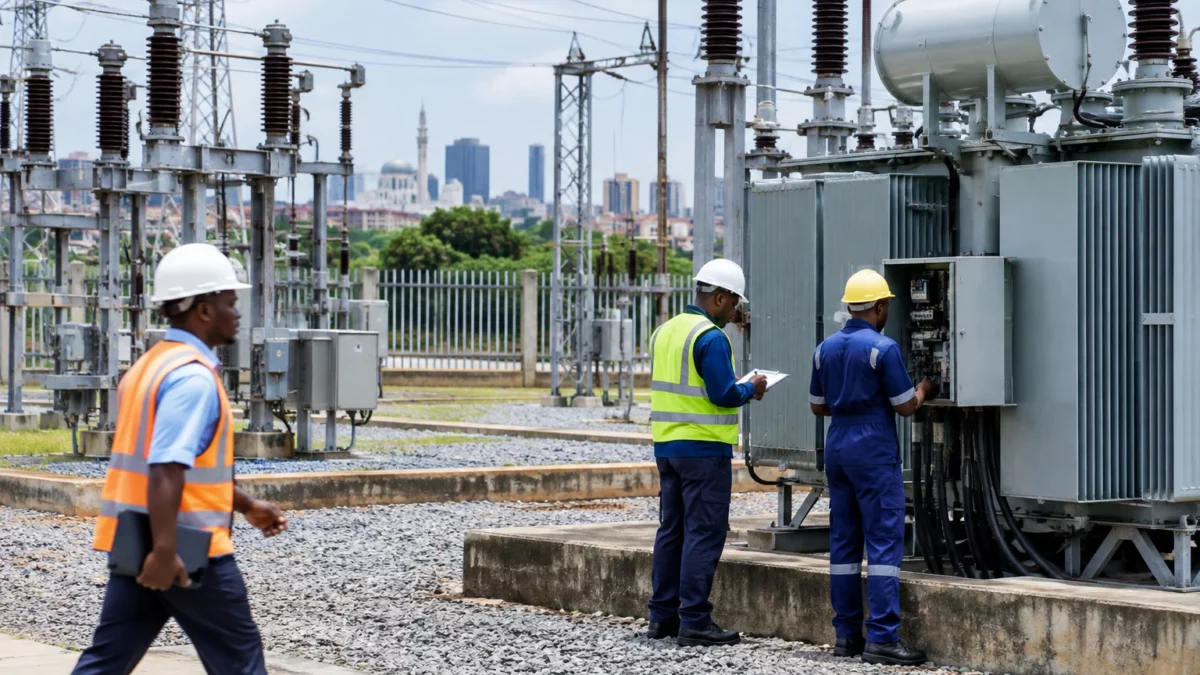
In Nigeria, a power plant can have gas and equipment without generating enough revenue from its electricity to pay its suppliers. The government wants to ease this pressure by clearing some of the sector’s accumulated arrears by 2027. But the plan’s success will also depend on its ability to prevent the debts from building up again.
An old debt at the heart of the electricity supply chain
The liabilities targeted are verified claims by electricity generation companies, the “GenCos”, for the period from February 2015 to March 2025. These companies sell their output in a market where electricity passes through distribution companies and the state-owned Nigerian Bulk Electricity Trading (NBET), among others. When payments do not flow properly through this chain, generators and their gas suppliers face a shortage of liquidity.
The problem forms part of a broader reform. Since the Electricity Act of 2023, Nigerian states have been able to develop their own regulatory frameworks and organise subnational markets. This change creates new opportunities, but does not remove payment difficulties or the need for investment in transmission and distribution.
At regional level, Nigeria is a member of ECOWAS, the Economic Community of West African States, and participates in the West African power market. The reliability of its sector therefore also matters for electricity trading with its neighbours. The stakes go beyond Abuja: a fragile national market limits the capacity to generate, transmit and sell energy predictably.
A settlement announced in stages
On 23 November 2026, Nigeria’s Minister of Power, Joseph Tegbe, said on Arise News that the state had already paid 1.23 trillion naira out of a negotiated amount of 3.3 trillion. The government plans to settle the rest in 2027. According to the minister, claims initially assessed at about 6 trillion naira were renegotiated downwards.
The settlement plan was approved by President Bola Tinubu in April 2026. Its funding comes in part from government bonds. A first issue of 501 billion naira was made in January. A second, worth about 729 billion, was completed in September. On 9 October, NBET announced the start of settlements corresponding to this second tranche.
These amounts do not necessarily mean that every generator has already received everything it is owed. Bond issues fund settlements defined under the programme, and the agreements cover verified claims. The distinction matters: the figure announced by the minister describes the total paid, according to his statements, while the bonds show the instruments used.
Taxes, royalties and gas: other levers
To supplement cash payments, the government is considering offsetting amounts owed to generators against the corporate taxes or royalties they owe the state. The principle is to reduce reciprocal financial transfers: instead of collecting a tax and then paying out a sum against a claim, the state could offset the two amounts. The details remain under discussion with the companies concerned.
Another negotiation concerns the price of gas supplied to power plants by the state-owned oil company NNPC Ltd. A reduction in fuel costs would ease generators’ operating expenses. However, it would not, on its own, resolve problems with bill collection, distribution or network maintenance.
The use of these mechanisms also reflects budget constraints. The authorities must weigh electricity against other public spending, including health, education and agriculture. For generators, a credible settlement timetable can improve cash flow and investor confidence. For the state, offsets avoid the need to mobilise as much cash immediately, but also reduce the tax or royalty revenues actually collected.
The decisive test: preventing arrears from building up again
Clearing the historical liabilities does not guarantee a lasting improvement in electricity supply. In July 2026, Joy Ogaji, chief executive of the Association of Power Generation Companies, warned that new debts could exceed 7 trillion naira before the programme ends if market payments remained insufficient. This projection is an estimate attributed to the association, not a verified official account.
The issue has practical consequences for households and businesses. Generators need predictable revenue to buy gas and maintain their facilities. Distributors, for their part, must collect payments from customers and remit the amounts due. If any link in the chain remains fragile, arrears can reappear, even after new bonds have been issued.
The effects will not be uniform. Large companies reliant on the grid need a regular supply to control their costs. Small businesses and households, particularly outside major urban centres, may be more exposed to outages and alternative energy sources. Reducing the government’s debt to generators will therefore not automatically mean lower bills or more stable electricity for every user.
The 2027 timetable is now the next political and financial milestone. The payments actually made, the offset agreements concluded and the trajectory of current debts between generators, the state-owned trader and distributors will all need to be monitored. For Nigeria and its West African partners, success will not be measured solely by the amount cleared: it will be the market’s ability to pay new bills without building up another liability.