Algeria
 Egypt
 Libya
 Morocco
 Sudan
 Tunisia
 Benin
 Burkina Faso
 Cabo Verde
 Côte d'Ivoire
 Ghana
 Guinea
 Guinea-Bissau
 Liberia
 Mali
 Mauritania
 Niger
 Senegal
 Sierra Leone
 The Gambia
 Togo
 Cameroon
 Central African Republic
 Chad
 DR Congo
 Equatorial Guinea
 Gabon
 Republic of the Congo
 São Tomé and Príncipe
 Burundi
 Comoros
 Djibouti
 Eritrea
 Ethiopia
 Kenya
 Madagascar
 Malawi
 Mauritius
 Mozambique
 Rwanda
 Seychelles
 Somalia
 South Sudan
 Tanzania
 Uganda
 Angola
 Botswana
 Eswatini
 Lesotho
 Namibia
 South Africa
 Zambia
 Zimbabwe
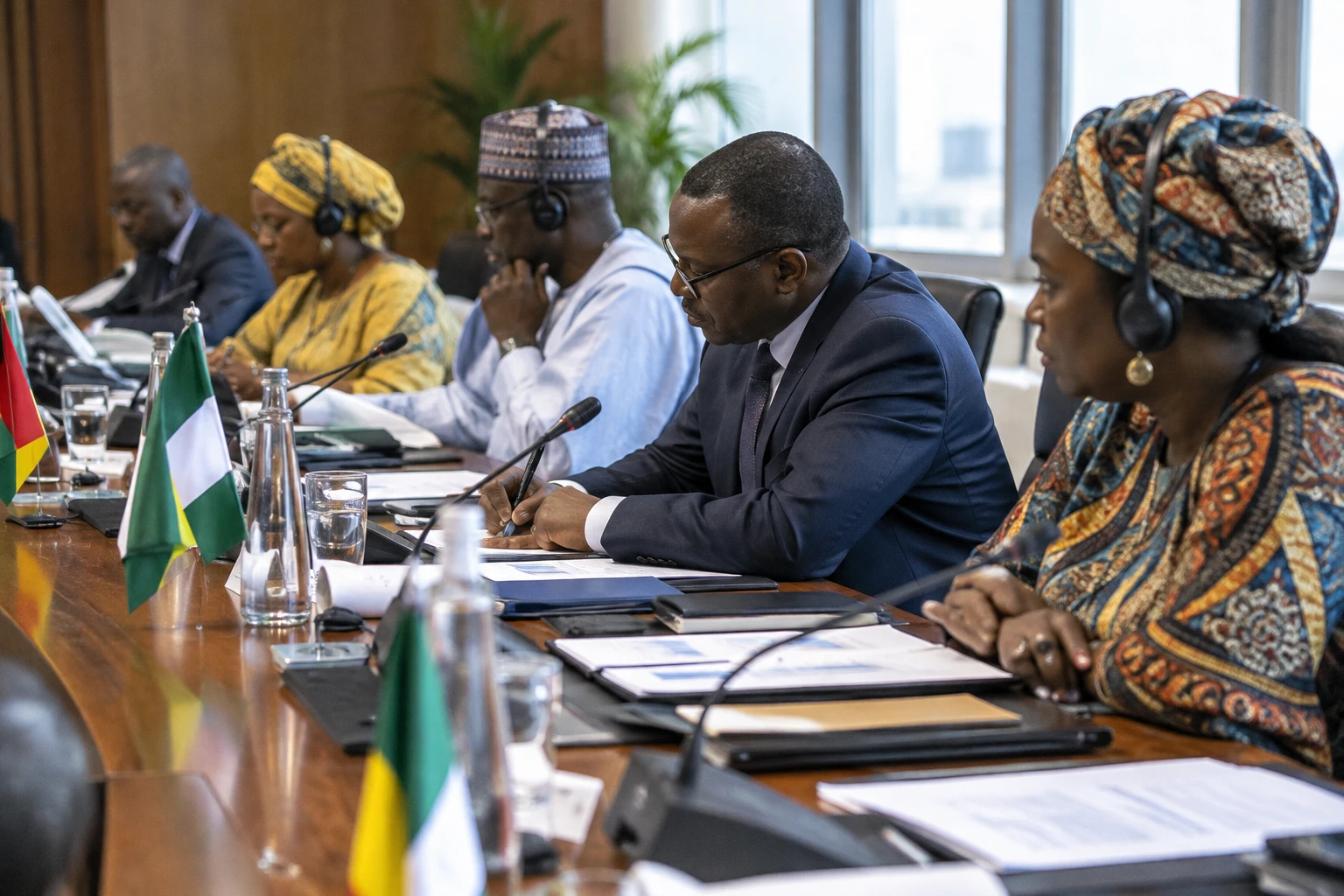
In Nigeria, a fall in food prices in September slowed overall inflation. But it has not erased the high cost of food for households: food remains nearly 20% more expensive than a year ago.
A slowdown does not mean prices are falling overall
The National Bureau of Statistics of Nigeria (NBS) put annual inflation at 14.63% in September 2026, down from 15.39% in August and 20.98% a year earlier. The monthly figure, which measures price changes compared with the previous month, stood at 0.06%, after 0.71% in August.
This distinction is essential. Slowing inflation means that prices are rising more slowly; it does not mean that the overall price level is returning to where it was before. The price index edged up in September, while the annual increase remains significant.
The trend also varies by spending category. Food prices fell by 1.55% over the month, after rising by 1.02% in August. Yet annual food inflation is still 19.59%. Food and non-alcoholic beverages made the largest contribution to overall inflation, at 5.85 percentage points.
Average prices fell for several products, including sorghum and maize flour, eggs, onions, palm oil, locally produced rice, potatoes, tomatoes and plantains. This respite may help consumers, but its impact depends on local markets and the cost of transporting goods from production areas to urban centres.
Pressures persist beyond food
Core inflation — which excludes the most volatile agricultural and energy prices — stood at 12.95% year on year, compared with 22.11% in September 2025. But it rose by 1.11% over the month, after a slight fall in August. This shows that the decline in food prices is not being felt across all spending.
Restaurants and accommodation services contributed 1.89 percentage points to overall inflation, transport 1.56 points, and housing, water, electricity, gas and other fuels 1.23 points. The published data therefore point to continued pressures on households and businesses, which pass on the costs of travel, energy and supplies.
The economic picture is mixed. Nigeria’s real GDP grew by 4.43% in the second quarter of 2026, after 3.89% in the first quarter, according to NBS figures reported by several Nigerian media outlets. Services, agriculture and the oil sector all contributed to growth. However, higher domestic output alone does not guarantee an immediate improvement in purchasing power: incomes, prices and employment opportunities vary across sectors and regions.
Central bank adjusts policy cautiously
The Monetary Policy Committee of the Central Bank of Nigeria (CBN) cut its benchmark rate from 26.5% to 23% at its meeting on 21 and 22 September, a reduction of 350 basis points. This benchmark influences borrowing costs and financing conditions, but a cut does not automatically mean cheaper loans for businesses or households.
The decision comes as inflation slows, but the monthly rebound in core inflation and persistent transport and energy costs are reasons not to confuse disinflation with a return to price stability. The NBS also found wide differences between urban and rural areas: in September, monthly inflation rose in cities while it fell in rural areas. A national average therefore does not uniformly reflect consumers’ experience.
An issue that extends beyond Nigeria’s borders
Nigeria, whose capital is Abuja, is a major economic power in West Africa and a member of ECOWAS, the Economic Community of West African States. Food prices and the movement of goods across the region can affect Nigerian supplies. ECOWAS highlights the links between food security, regional trade and agricultural value chains; national policies therefore have effects that extend beyond their borders.
For Nigerian households, the next question is a practical one: will the monthly fall in food prices last, and will it be enough to offset the costs of energy, housing and transport? For the CBN, the next price figures will help determine whether monetary easing can continue without reigniting inflationary pressures. September’s data offer a sign of a slowdown, not yet proof of lasting relief from the cost of living.
Inflation figures were drawn from NBS publications and cross-checked against several Nigerian media outlets, including Punch, Nairametrics and Business Post Nigeria. Monetary policy decisions are available from the Central Bank of Nigeria. GDP growth figures were cross-checked against Premium Times and Punch. Regional context is documented in the ECOWAS economic outlook.