Algeria
 Egypt
 Libya
 Morocco
 Sudan
 Tunisia
 Benin
 Burkina Faso
 Cabo Verde
 Côte d'Ivoire
 Ghana
 Guinea
 Guinea-Bissau
 Liberia
 Mali
 Mauritania
 Niger
 Senegal
 Sierra Leone
 The Gambia
 Togo
 Cameroon
 Central African Republic
 Chad
 DR Congo
 Equatorial Guinea
 Gabon
 Republic of the Congo
 São Tomé and Príncipe
 Burundi
 Comoros
 Djibouti
 Eritrea
 Ethiopia
 Kenya
 Madagascar
 Malawi
 Mauritius
 Mozambique
 Rwanda
 Seychelles
 Somalia
 South Sudan
 Tanzania
 Uganda
 Angola
 Botswana
 Eswatini
 Lesotho
 Namibia
 South Africa
 Zambia
 Zimbabwe
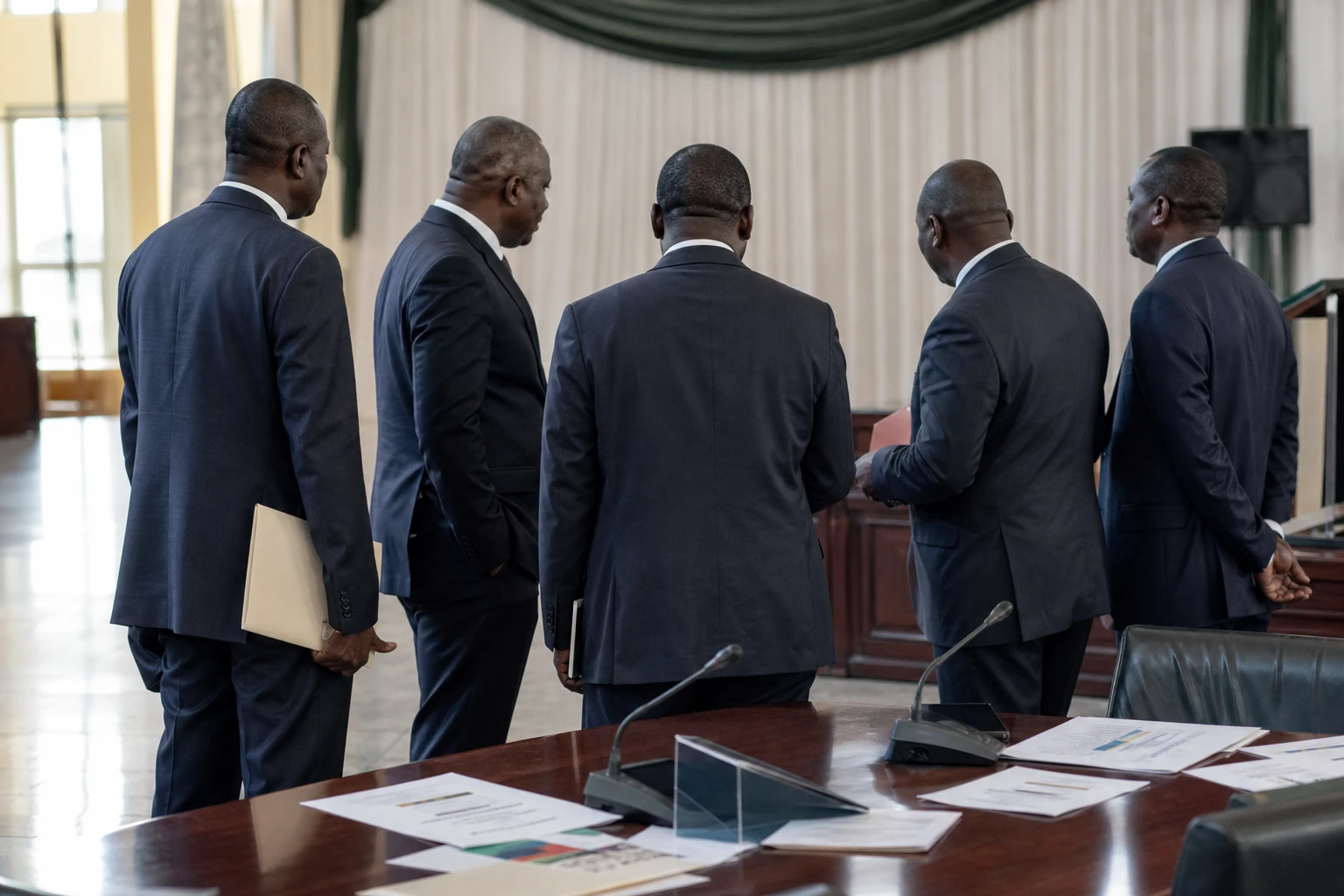
In Nigeria, the campaign opens with a simple question: what is a promise worth when the weekly shop has already swallowed a wage?
In Abuja, the official launch of the campaign for the 2027 presidential and legislative elections comes amid a sombre mood. Nigerian voters are no longer looking only at alliances between parties. Above all, they are watching the prices of rice, transport, fuel and housing. In a country of more than 220 million people, the political battle is now being fought as much at the ballot box as in markets, bus stations and queues outside petrol stations.
The institutional framework is already in place. The Independent National Electoral Commission (INEC) has set the timetable for the general elections and published the sequence of key stages. For the presidential and federal legislative elections, the public campaign begins on 19 August 2026, ahead of a vote scheduled for 16 January 2027. Governorship and state assembly elections will follow later, with campaigning starting on 9 September 2026. The timetable was revised after a new electoral framework was adopted in 2026, showing that Nigeria’s electoral machinery remains a field of political and legal negotiation.
The January 2027 vote is not only about the presidency. All 360 seats in the House of Representatives are also up for election, as is the Senate. On paper, this should prompt a substantive debate on public policy. In practice, the campaign looks set to be dominated by a more brutal equation: how to respond to the rising cost of living after several economic reforms that have upended households’ daily lives. According to the World Bank, poverty remains very high in Nigeria, and inflation, although down from previous peaks, continues to weigh heavily on households. The institution also estimates that soaring prices have worsened families’ difficulties, particularly because the poorest spend a large share of their income on food.
This economic pressure explains the mood among some voters. Since 2023, Nigerians have had to absorb the gradual removal of petrol subsidies, currency depreciation and rising prices for imported goods. The government presents these choices as stabilisation reforms. Many people, however, experience them first and foremost as a loss of purchasing power. The campaign debate will therefore not be confined to macroeconomic figures. It will centre on a more concrete question: who can still afford daily life without going into debt, cutting meals or reducing spending on education?
An open but fragmented contest
President Bola Ahmed Tinubu enters the campaign with the advantage of incumbency, but also the burden of unmet expectations. The opposition, meanwhile, is struggling to speak with one voice. The Congress Democratic Alliance, backed by several leading opposition figures, wants to capitalise on discontent. Among the most prominent names are Atiku Abubakar and Peter Obi, both already part of the contest in 2023. This fragmentation could benefit the president’s camp, in a country where the division of opposition candidates has often weakened their ability to turn social anger into a lasting electoral coalition.
The security situation further darkens the picture. Nigeria continues to face multiple areas of insecurity: jihadist violence in the north-east, armed banditry in the north-west, communal tensions in the Middle Belt, and local political tensions in several states. The campaign is therefore taking place in a country where the state must convince voters on two fronts at once: protecting citizens and bringing prices down. This is a difficult combination, because insecurity drives up logistical costs, disrupts agricultural markets and undermines informal incomes, which remain essential for a large share of the population.
Another factor to watch is the functioning of INEC itself. The commission wants to enforce deadlines, prevent disputes over the timetable and limit litigation over candidacies. It has also stressed that certain technical steps, such as publishing names, checking documents and preparing ballot papers, are essential to holding the vote. In a democracy as vast and fiercely contested as Nigeria’s, the election’s credibility depends less on a slogan than on the ability to keep this administrative chain running smoothly.
What this campaign says about Nigeria, and West Africa more broadly
The Nigerian election extends far beyond the country’s borders. Nigeria is West Africa’s largest economy and the demographic pillar of ECOWAS, the Economic Community of West African States. When Abuja wavers, the effects are felt in regional markets, trade flows, labour migration and the political climate across the sub-region. A campaign centred on the cost of living also says something broader: across West Africa, voters are asking less for speeches about national greatness than for immediate answers on prices, jobs and everyday security.
The continental significance is clear. If Nigeria’s government manages to turn reforms into tangible improvements in daily life, it will strengthen the argument that macroeconomic stabilisation can ultimately bring social gains. If, on the other hand, the election amounts to a clash between political blocs with no answer to social discontent, the 2027 vote will become another example of the gap between governance and popular expectations. For now, the real test begins with the campaign itself: it must show whether Nigerian politics can still speak to the majority of citizens, not just party machinery.