Algeria
 Egypt
 Libya
 Morocco
 Sudan
 Tunisia
 Benin
 Burkina Faso
 Cabo Verde
 Côte d'Ivoire
 Ghana
 Guinea
 Guinea-Bissau
 Liberia
 Mali
 Mauritania
 Nigeria
 Senegal
 Sierra Leone
 The Gambia
 Togo
 Cameroon
 Central African Republic
 Chad
 DR Congo
 Equatorial Guinea
 Gabon
 Republic of the Congo
 São Tomé and Príncipe
 Burundi
 Comoros
 Djibouti
 Eritrea
 Ethiopia
 Kenya
 Madagascar
 Malawi
 Mauritius
 Mozambique
 Rwanda
 Seychelles
 Somalia
 South Sudan
 Tanzania
 Uganda
 Angola
 Botswana
 Eswatini
 Lesotho
 Namibia
 South Africa
 Zambia
 Zimbabwe
A border region under pressure
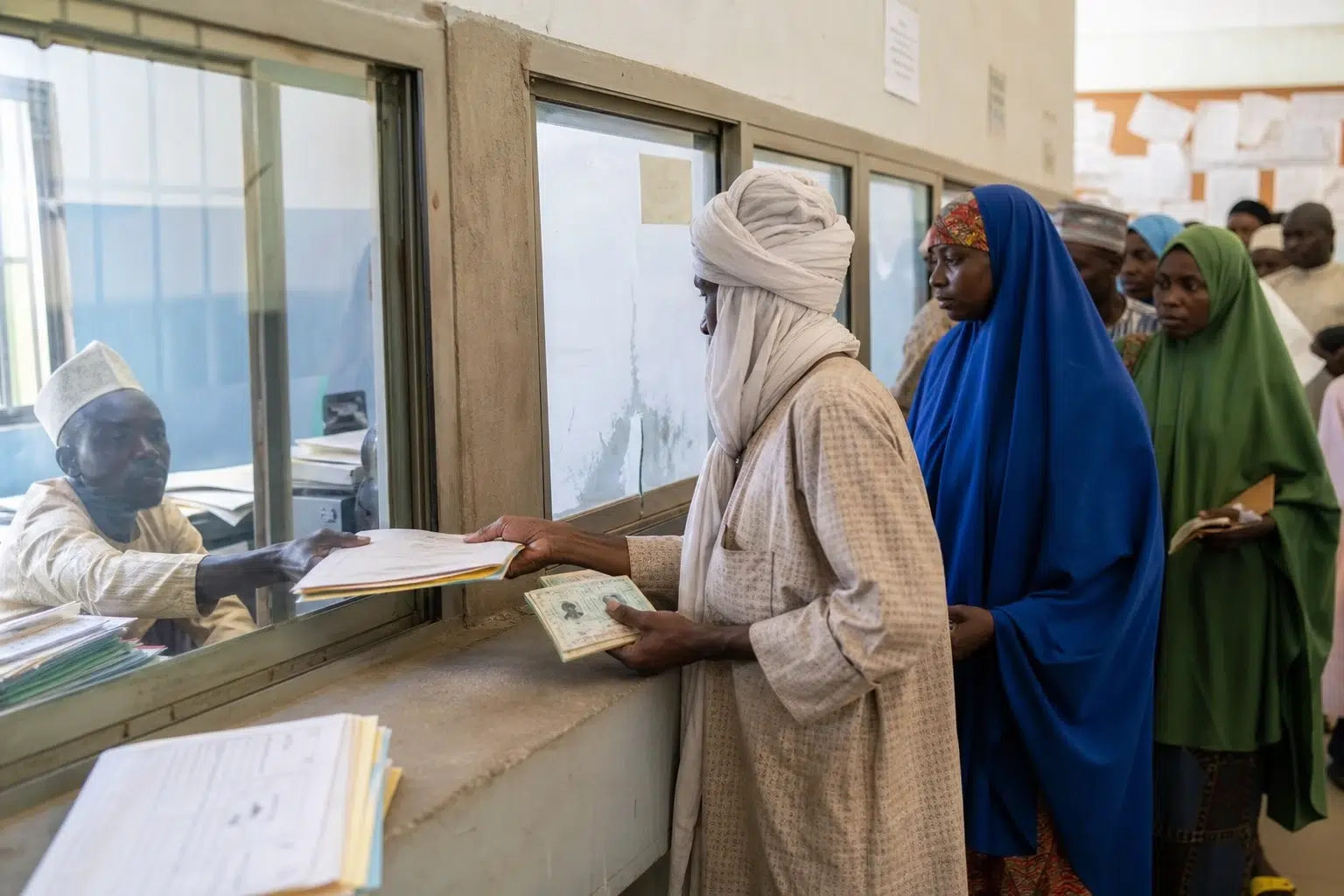
In western Niger, a road can change its purpose within minutes. In the morning, it serves commerce, rural transport and administrative travel. At dusk, it becomes a route for flight, ambush or retaliation. This is what continues to unfold around Téra, in the Tillabéri region, at the heart of the so-called “tri-border” area between Niger, Mali and Burkina Faso.
This geography weighs heavily on both the population and Niger’s armed forces. The United Nations has for several years described persistent insecurity in western Niger, while IOM data show that the Tillabéri region still has the country’s largest number of internally displaced people. In 2025, the organisation recorded 201,548 internally displaced people and 4,500 returnees in this region alone.
What happened in Téra
On Friday 17 July 2026, a military unit was targeted in the Téra area, according to a statement carried by the Nigerien News Agency. The reported toll was 16 Nigerien soldiers killed and 23 wounded, including nine seriously, as well as 15 assailants killed. The statement also mentioned five motorcycles recovered and four others destroyed.
Nigerien authorities described a “complex attack” on a unit on an administrative mission along the Bankilaré–Téra road, near the village of Doungouro. The swift response by the defence and security forces, supported by air assets, reportedly forced the assailants to retreat, according to the same statement. Sweeping and security operations continued in the area afterwards.
The account was picked up by several international media outlets on 19 July, corroborating the main death toll without providing any conflicting information from the area. In a context where initial figures are often provisional, this cross-check remains important: the toll is not only heavy, it is also indicative of a threat that has become recurrent in western Niger.
A military, political and social shock
For Niamey, the attack is a reminder of a simple reality: securing Tillabéri requires more than a statement of victory. Since the July 2023 coup, the military authorities have made security one of their central arguments. Yet attacks have continued in several parts of the country, particularly in the west and south-east. UN observers note that insecurity in the central Sahel continues to spread into border areas and along secondary roads.
On the ground, the impact extends far beyond the military toll. In a region where forced displacement, pressure on local markets and reduced mobility for herders and traders are compounding, every attack further shrinks civilian space. Villages, pastoral corridors and small urban centres face increasingly restrictive timetables, routes and activities. Humanitarian data from UNHCR and IOM show that worsening insecurity continues to drive displacement and undermine livelihoods.
The Téra department also illustrates a point that is often underestimated: the border is not merely a military line. It is an economic space. When it is effectively closed, family incomes, supply chains and the movement of goods come under strain. For people in rural areas, insecurity first means shorter journeys, less busy markets and a more intermittent state presence. For the state, it requires costly operations and constant surveillance of a vast territory that is difficult to control and traversed by mobile groups.
The regional context heightens this tension. The border belt between Niger, Mali and Burkina Faso remains one of the epicentres of Sahelian violence, with armed groups exploiting the terrain, tracks and local divisions. The United Nations has for years reported that the Tillabéri region is among the country’s hardest-hit areas, while recent security and humanitarian reports confirm sustained pressure on civilians.
For Niger, the challenge therefore goes beyond a purely tactical response. It also means restoring residents’ trust, protecting trade routes and maintaining a state presence in rural areas. As long as this equation remains unresolved, every ambush in Téra, Bankilaré or neighbouring communes will have consequences far beyond the military front. It will affect prices, the movement of people, schooling and local stability.
Across West Africa, the attack is also a reminder that the Sahel’s security crisis stops neither at administrative borders nor at declarations of sovereignty. It requires neighbouring countries, regional organisations and humanitarian actors to view border areas as shared spaces of security, trade and daily survival. In Niger, as in its neighbours, part of the continent’s resilience is at stake there.