Algeria
 Egypt
 Libya
 Morocco
 Sudan
 Tunisia
 Benin
 Burkina Faso
 Cabo Verde
 Côte d'Ivoire
 Ghana
 Guinea
 Guinea-Bissau
 Liberia
 Mali
 Mauritania
 Nigeria
 Senegal
 Sierra Leone
 The Gambia
 Togo
 Cameroon
 Central African Republic
 Chad
 DR Congo
 Equatorial Guinea
 Gabon
 Republic of the Congo
 São Tomé and Príncipe
 Burundi
 Comoros
 Djibouti
 Eritrea
 Ethiopia
 Kenya
 Madagascar
 Malawi
 Mauritius
 Mozambique
 Rwanda
 Seychelles
 Somalia
 South Sudan
 Tanzania
 Uganda
 Angola
 Botswana
 Eswatini
 Lesotho
 Namibia
 South Africa
 Zambia
 Zimbabwe
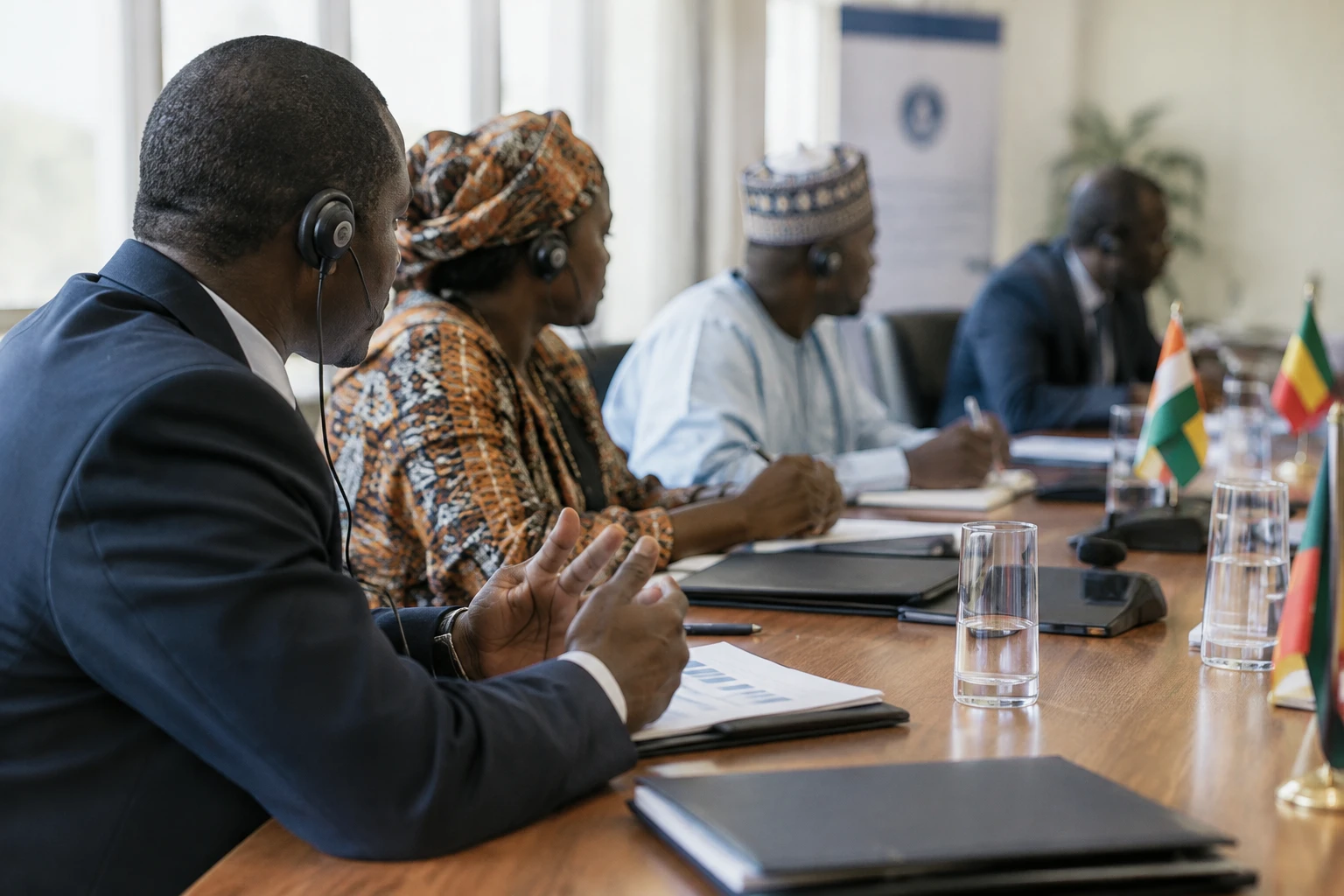
In Niger, a journalist’s absence can become a public issue far beyond his newsroom. Since 31 August 2026, Moussa Kaka, director of Radio Télévision Saraounia (RTS), has been missing. The authorities have acknowledged that he is being held, but have not said where or on what grounds. His family and lawyer have been unable to see him, according to human rights organisations.
Detention acknowledged, whereabouts still unknown
On 31 August, Moussa Kaka left RTS’s offices in Niamey to go home. He did not reach his destination. In the days that followed, his family received no public information about his fate.
On 25 September, Niger’s justice minister, Alio Daouda, confirmed to Reporters Without Borders (RSF) that the journalist was alive and being held by the authorities. This acknowledgement did not reveal where he was or what charges he faced. RSF and Human Rights Watch (HRW) reported these details and called on the authorities to clarify the circumstances of his detention.
The United Nations Committee on Enforced Disappearances has also been notified. RSF says that an arrest followed by concealment of a person’s whereabouts may constitute an enforced disappearance under Niger’s international commitments. This is the organisation’s characterisation; it is not, in itself, a judicial ruling on the case.
A career marked by arrests
Moussa Kaka is a well-known figure in Nigerien journalism. A former correspondent for Radio France Internationale, he heads RTS, a Nigerien media outlet that employs several dozen people, according to information reported about the station.
His career has already been marked by imprisonment. Arrested in September 2007 under President Mamadou Tandja, he was accused of links to the Tuareg rebellion in the north of the country. After 379 days in detention, he was released in October 2008 following a national and international campaign, according to HRW.
More recently, in October 2025, Niamey police arrested Moussa Kaka and five other journalists. They were accused of broadcasting information likely to disturb public order after announcing on social media a press conference about the Fund for Solidarity to Safeguard the Homeland. HRW documented these arrests. The earlier case provides context, but does not establish the reason for his current detention.
The political and regional context
Niger has been governed by military authorities since the July 2023 coup. The period has been marked by a realignment of foreign relations and tensions over the media landscape. In this context, national security and public order are regularly invoked in debates about restrictions on the press. These grounds do not exempt the state from respecting the safeguards set out in its laws and the international commitments it has undertaken.
In West Africa, Niger has left the Economic Community of West African States (ECOWAS), a regional organisation for economic and political co-operation, along with Mali and Burkina Faso. The three countries have established the Alliance of Sahel States. This shift changes the frameworks for regional dialogue, but does not remove Niger’s international obligations on fundamental rights.
The issue therefore extends beyond relations between the authorities and a media outlet. It also concerns whether Nigerien journalists can report on public decisions without fearing detention whose grounds and location remain unknown. For RTS staff, the absence of its director may also affect the newsroom’s operations and the continuity of its work.
Solidarity urged to cross borders
Maximilienne Ngo Mbe, executive director of the Central Africa Human Rights Defenders Network, has called for mobilisation around Moussa Kaka, his family and those close to him. She says the case raises an issue shared by countries in the Sahel and beyond: the right of anyone in detention to know the reasons for their arrest and to have access to a lawyer.
African human rights organisations and local media have a central role to play in monitoring the case. Their work can document the facts and keep public attention focused, while regional and international mechanisms can hold the authorities to account. Such mobilisation, however, cannot replace the family’s access to the journalist or proper judicial proceedings.
The next step is clear: the authorities should say where Moussa Kaka is being held, specify the grounds for his deprivation of liberty and guarantee access for his family and lawyer. Until this information is provided, his case remains a test of state transparency and judicial safeguards in Niger.