Algeria
 Egypt
 Libya
 Morocco
 Sudan
 Tunisia
 Benin
 Burkina Faso
 Cabo Verde
 Côte d'Ivoire
 Ghana
 Guinea
 Guinea-Bissau
 Liberia
 Mali
 Mauritania
 Nigeria
 Senegal
 Sierra Leone
 The Gambia
 Togo
 Cameroon
 Central African Republic
 Chad
 DR Congo
 Equatorial Guinea
 Gabon
 Republic of the Congo
 São Tomé and Príncipe
 Burundi
 Comoros
 Djibouti
 Eritrea
 Ethiopia
 Kenya
 Madagascar
 Malawi
 Mauritius
 Mozambique
 Rwanda
 Seychelles
 Somalia
 South Sudan
 Tanzania
 Uganda
 Angola
 Botswana
 Eswatini
 Lesotho
 Namibia
 South Africa
 Zambia
 Zimbabwe
A protracted transition, security still far from normal
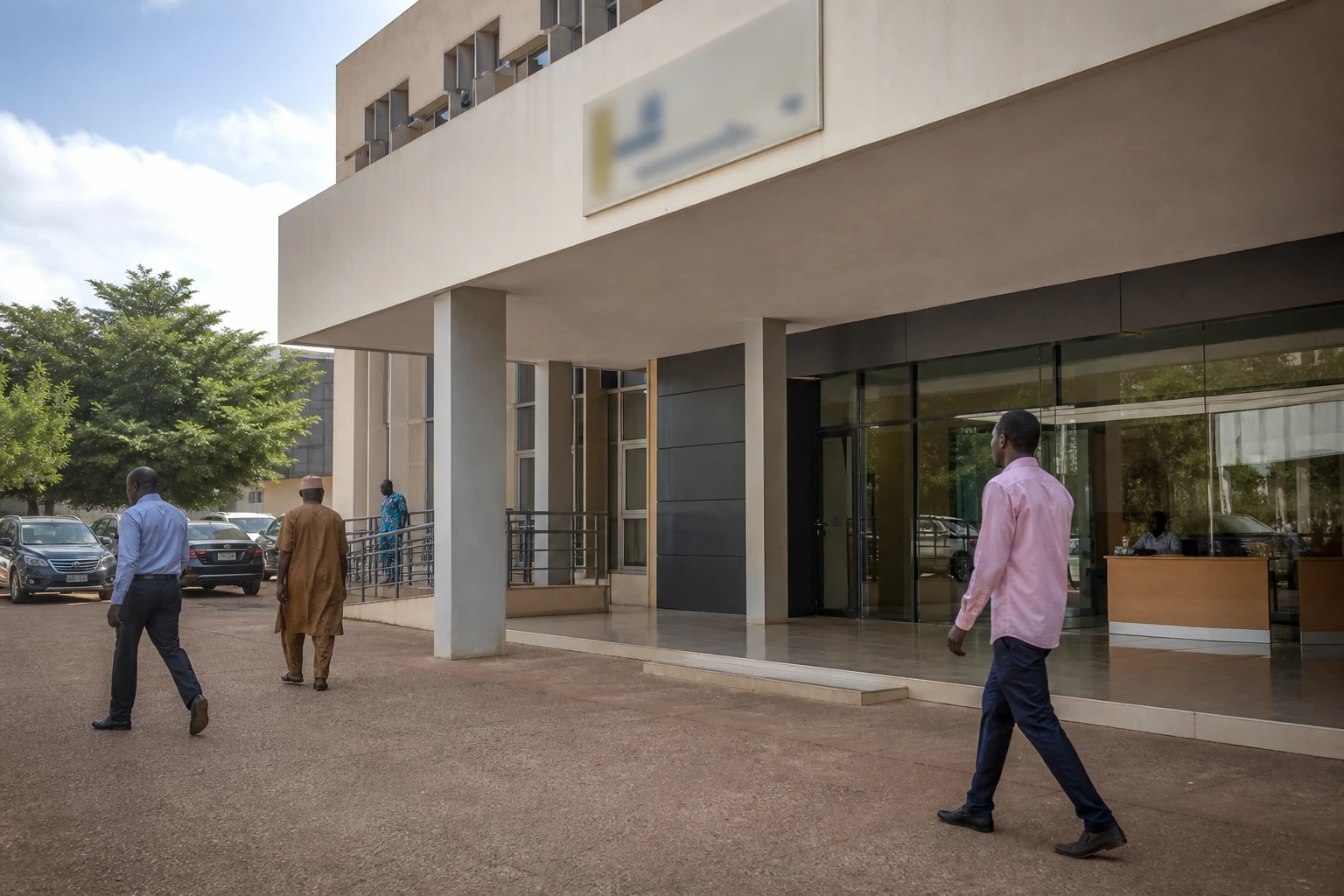
Three years after the coup of 26 July 2023 in Niamey, Niger remains in a state of lasting tension. The military authorities have consolidated their grip on power, but the promise of a swift return to order and security has not eased the pressure from armed groups, particularly in the west of the country. Recent attacks in the Tillabéri region show that a change of regime is not, by itself, enough to roll back an insurgency rooted in border areas.
On 17 July 2026, an attack targeted a detachment of the Nigerien armed forces on the Bankilaré-Téra road in the Tillabéri region, according to the African Union Commission. The continental organisation condemned the operation, noting that security in the Sahel affects the entire continent. At the same time, ECOWAS held its 69th summit in Freetown, a sign that regional dynamics continue to evolve without the Niger issue being resolved.
Niger’s western front remains the most exposed
The Tillabéri region and, more broadly, areas near Mali and Burkina Faso remain the most vulnerable. Humanitarian and security-monitoring analyses published in recent months describe an intensification of violence against civilians, repeated displacement and the continued presence of groups linked to Islamic State in the tri-border area. The issue is not solely military: it affects access to markets, roads, schools and healthcare, and therefore the daily lives of rural communities far more than those of Niamey.
Humanitarian figures give a measure of this pressure. The IOM’s village assessment, published in spring 2026, reports 491,302 internally displaced people and 63,952 returnees, based on data collected in February and March across six regions. These figures describe not only a security crisis but also a crisis of mobility, income and social protection, with heavier effects on rural households, women and young people.
Bazoum, the rule of law and the political question
The political dimension of the issue remains unresolved. Mohamed Bazoum, ousted on 26 July 2023, remains detained in Niamey with his wife, despite several statements by international and regional bodies. Human Rights Watch said this week that the United Nations Working Group on Arbitrary Detention had, in February 2025 and then in May 2026, ruled the detention arbitrary and called for his release. This situation raises a fundamental question: can the stability sought by the authorities last if the institutional dispute remains without a clear judicial resolution?
This issue goes beyond the former president himself. It concerns the role of political parties, civic space and the credibility of transition commitments. Several reports published since 2023 describe a tightening of the political climate, with restrictions on civil liberties and arrests of opposition figures and civil society leaders. In a country where institutional legitimacy remains contested, security is therefore not decided solely on the military front; it also depends on the state’s ability to restore rules that are clear and accepted.
A Nigerien issue, but also a Sahelian and continental one
Niger is part of a Sahelian region where crises are interconnected. The African Union Commission recently explicitly linked attacks in Niger to those in Mali, while UNOWAS reminded the Security Council that security-only responses are insufficient to address the root causes of instability. In other words, the Niger issue intersects with governance, border economies, population displacement and cooperation between Sahelian states.
This reality also weighs on relations with ECOWAS. Since the rupture in 2023, Niger has left the regional security and free-movement framework as it previously operated, although diplomatic contacts have never disappeared entirely. Recent discussions with Benin on security and the transit of goods show that partial de-escalation remains possible when local economic interests come to the fore. But full normalisation will depend first on tangible improvements in security on the ground, particularly in the west of the country.
Across Africa, the Niger case illustrates a fact that has become central: military transitions do not automatically resolve the crises they promise to fix. Three years after the coup, Niamey still has to balance urgent security needs, institutional reconstruction and regional cooperation. The coming months will bring developments on two very concrete fronts: the ability to contain violence in Tillabéri and how the authorities handle the Bazoum case, which has become a test of credibility for the Nigerien state and a signal to its African partners.