
 Algeria
 Egypt
 Libya
 Morocco
 Sudan
 Tunisia
 Benin
 Burkina Faso
 Cabo Verde
 Côte d'Ivoire
 Ghana
 Guinea
 Guinea-Bissau
 Liberia
 Mali
 Mauritania
 Niger
 Nigeria
 Senegal
 Sierra Leone
 The Gambia
 Togo
 Cameroon
 Central African Republic
 Chad
 DR Congo
 Equatorial Guinea
 Gabon
 Republic of the Congo
 São Tomé and Príncipe
 Burundi
 Comoros
 Djibouti
 Eritrea
 Ethiopia
 Kenya
 Madagascar
 Malawi
 Mauritius
 Mozambique
 Rwanda
 Seychelles
 Somalia
 South Sudan
 Tanzania
 Uganda
 Angola
 Botswana
 Eswatini
 Lesotho
 Namibia
 Zambia
 Zimbabwe
Two projects, one message about public services
In several parts of South Africa, water arrives in drips and hospitals often operate with little room to spare. This contrast says much about the pressure now weighing on essential services in the country, from Pretoria to the North West and Limpopo provinces. The announcement of new funding from the New Development Bank reflects this very real situation: repairing networks, securing drinking water and easing pressure on a strained health system.
The regional context matters as much as local needs. South Africa belongs to SADC, the Southern African Development Community, where water and public infrastructure regularly feature as issues of economic and social stability. At the same time, Pretoria is seeking to show that it can attract development finance without relying solely on traditional channels from the Global North. The New Development Bank, created by the BRICS countries, has become one such means.
The loan and the selected projects
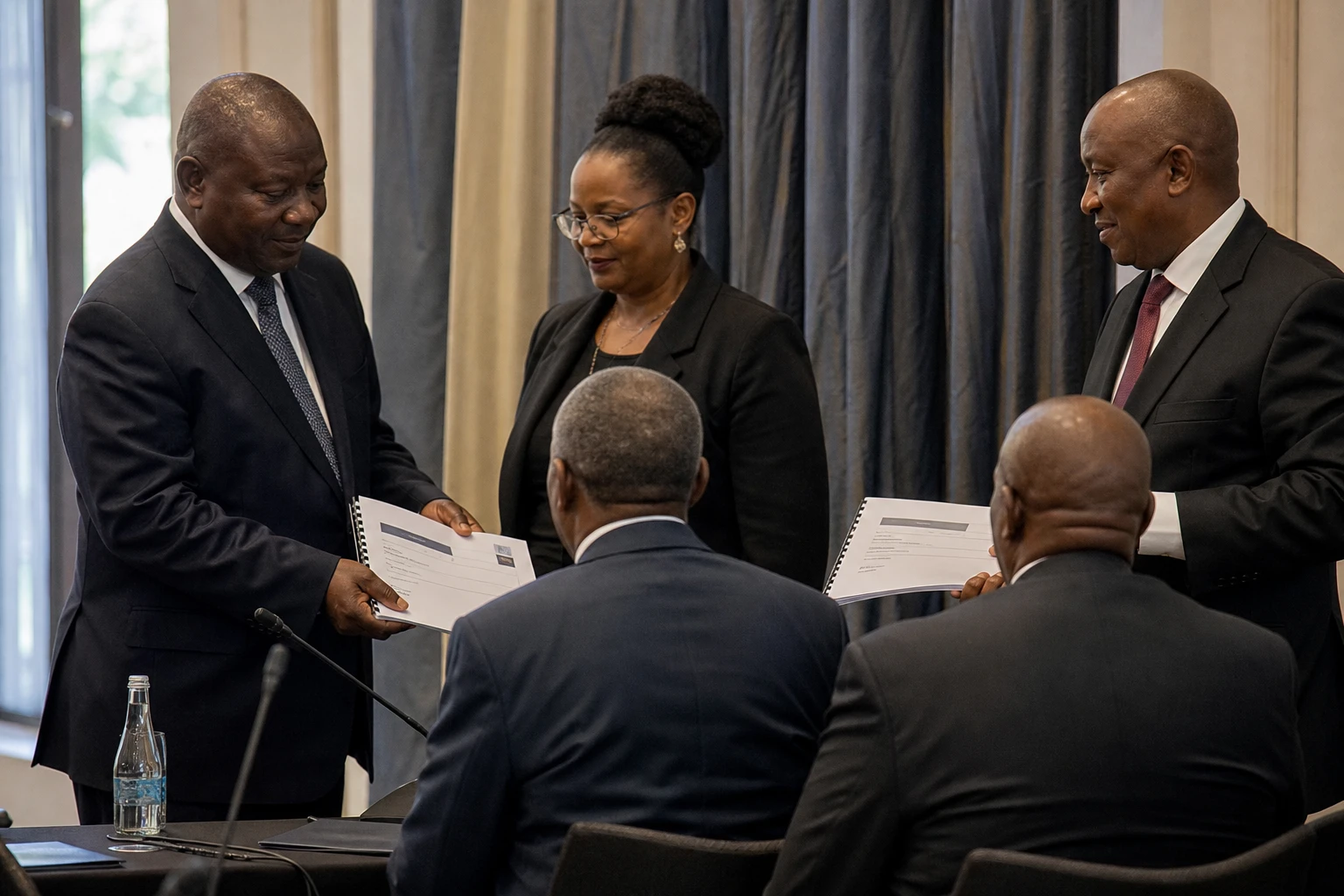
According to the South African government, the NDB has signed two loan agreements worth a combined 405 million dollars, or just over 7 billion rand at current exchange rates, for two separate projects. The first is the Limpopo Central Hospital project in Polokwane, with 200 million dollars. The second funds the Magalies Bulk Water Supply Scheme, with 205 million dollars. The South African authorities announced both agreements on 30 August 2026.
The water component targets six municipalities in the North West and Limpopo: Bela-Bela, Modimolle-Mookgophong, Mogalakwena, Moretele, Moses Kotane and Rustenburg. According to the NDB project fact sheet, the project is intended to expand access to drinking water, reinforce pipelines, increase treatment capacity and supply an additional 141 million litres per day. The bank also says demand there currently exceeds supply by more than 1.4 times, and that the gap could exceed 1.6 times by 2035 if no action is taken.
The second loan supports Limpopo Central Hospital in Polokwane, a 488-bed facility designed as a tertiary centre and academic hub. South Africa’s health ministry describes the site as an integrated academic hospital complex linked to the future medical school of the University of Limpopo. The aim is twofold: to expand specialist care and train more doctors, nurses and clinical staff in a province that still lacks specialists.
Why this funding comes at a critical time
The timing is significant. South African budget documents show that the state continues to inject substantial resources into water infrastructure. In the 2026 budget, the Department of Water and Sanitation plans multi-year allocations to accelerate major bulk water projects and grants to water services. The same budget notes that the water sector remains under intense pressure, with municipal systems deteriorating faster than they are being upgraded.
This pressure is also reflected in the sector’s performance indicators. The Green Drop 2025 report, cited by the South African government, shows that the share of wastewater systems in a critical state rose from 39% in 2022 to 47% in 2025. The same set of public warnings notes that about 47% of water distributed at municipal level is either unbilled or lost, a level described by sector authorities as “stabilised but unacceptable”. In other words, the problem is not only a lack of water; it is also leakage, breakdowns and poor maintenance.
In this context, the Magalies project could ease shortages in areas where households, schools and local businesses are already struggling to get water. Another often-overlooked factor must also be considered: municipalities are on the front line of service delivery, but do not always have the technical, financial and administrative capacity to maintain infrastructure. External funding therefore cannot replace local reform; it can make it possible, provided management is monitored and implementation delays are avoided.
In healthcare, the stakes extend beyond the hospital building itself. Limpopo still sends some patients to other provinces for certain specialist treatments. A new central hospital in Polokwane could reduce this dependence, bring care closer to families and ease pressure on major referral centres, particularly Pretoria. The project could also support local medical training, a crucial issue in a country where specialists remain very unevenly distributed between provinces and between the public and private sectors.
A South African and continental perspective
This case also says something broader about South Africa in 2026. The country wants to combine reform and investment with the continued provision of public services amid still-fragile growth. The authorities are highlighting a strategy to mobilise capital for infrastructure while seeking partnerships with multilateral banks. The NDB is part of this framework: it provides finance, but also sends a political message about Pretoria’s place in development finance networks.
Across the continent, the issue matters beyond southern Africa. SADC member states face similar constraints, including urban service pressures, ageing networks and demographic growth. The South African case shows that financing can be useful, but that it will have a lasting impact only if accompanied by strong local governance, regular maintenance and long-term planning. This is what to watch in the coming months: whether the loan can actually be turned into flowing water and care reaching patients.



