Algeria
 Egypt
 Libya
 Morocco
 Sudan
 Tunisia
 Benin
 Burkina Faso
 Cabo Verde
 Côte d'Ivoire
 Ghana
 Guinea
 Guinea-Bissau
 Liberia
 Mali
 Mauritania
 Niger
 Nigeria
 Senegal
 Sierra Leone
 The Gambia
 Togo
 Cameroon
 Central African Republic
 Chad
 DR Congo
 Equatorial Guinea
 Gabon
 Republic of the Congo
 São Tomé and Príncipe
 Burundi
 Comoros
 Djibouti
 Eritrea
 Ethiopia
 Kenya
 Madagascar
 Malawi
 Mauritius
 Rwanda
 Seychelles
 Somalia
 South Sudan
 Tanzania
 Uganda
 Angola
 Botswana
 Eswatini
 Lesotho
 Namibia
 South Africa
 Zambia
 Zimbabwe
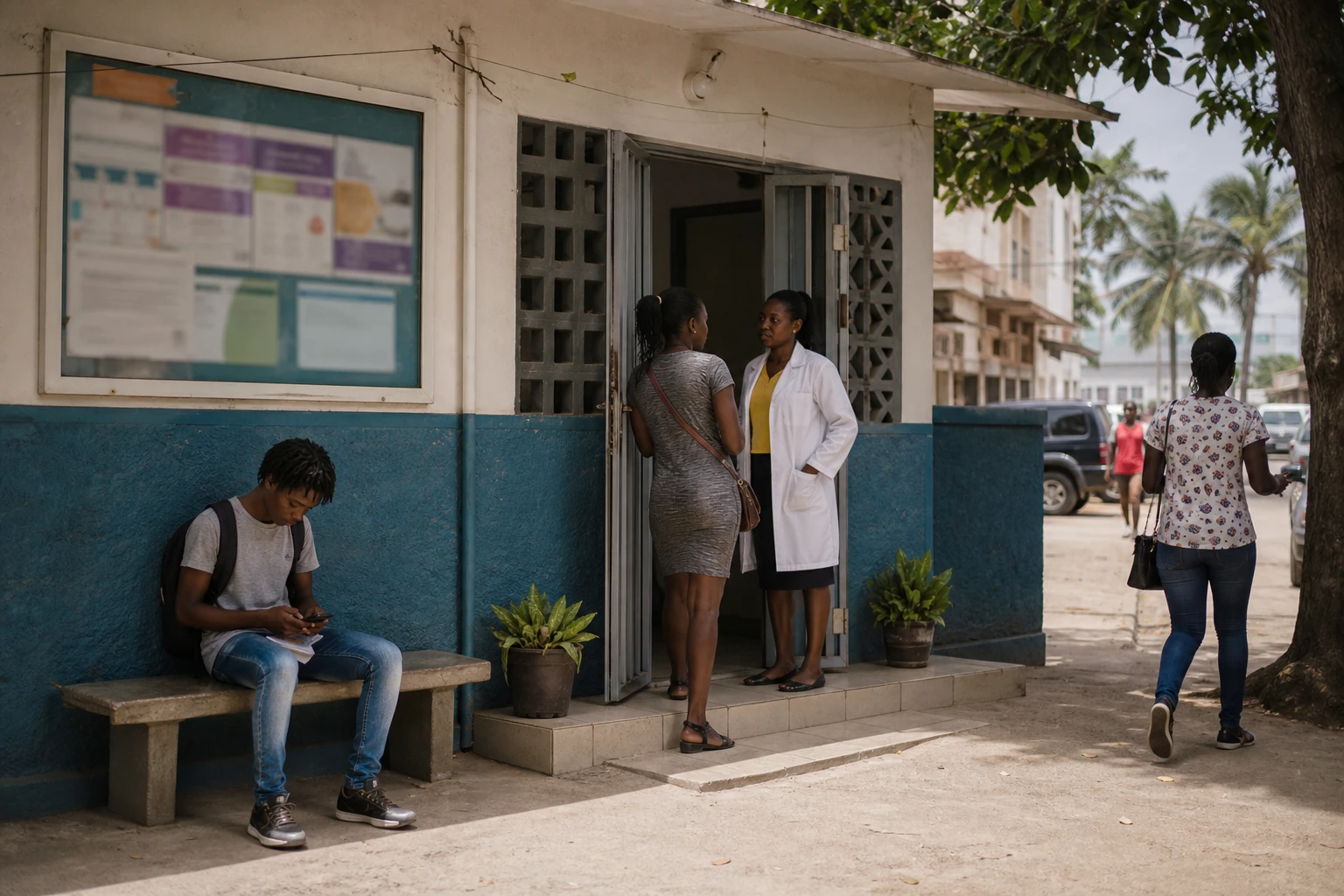
In Maputo, drugs are no longer simply passing across borders. They are taking hold in neighbourhoods, reaching a younger population and putting pressure on still-limited care services. For Mozambique, the challenge is therefore no longer just to seize shipments. It also means preventing addiction and supporting those seeking to recover.
A consolidating local market around Maputo
Mozambican authorities are observing a worrying shift. The country remains a transit hub on Indian Ocean routes, but some drugs are now staying in the country. This change is exposing more people, particularly in urban areas and communities where incomes are irregular.
In 2024, the Gabinete Central de Prevenção e Combate à Droga, the Mozambican body responsible for drug prevention and enforcement, recorded 613 cases related to trafficking. Security forces arrested 732 people. These figures do not directly measure the number of drug users, but they give an indication of the scale of criminal activity.
The same report recorded major seizures: 1,992 kilograms of cocaine, 1,856 kilograms of cannabis, 467 kilograms of methamphetamine and 42.5 kilograms of heroin. Authorities also seized hashish, ecstasy and chemicals intended for the manufacture of synthetic drugs. These volumes do not mean that all the substances were destined for the Mozambican market. They do, however, confirm the country’s central role in regional routes.
Government data reported in September 2026 also indicate a 38% annual rise in drug-related hospital admissions, to more than 32,000 cases. This total should be interpreted with caution. It depends on screening capacity and access to health facilities. Experts therefore believe it reflects only part of drug use and addiction.
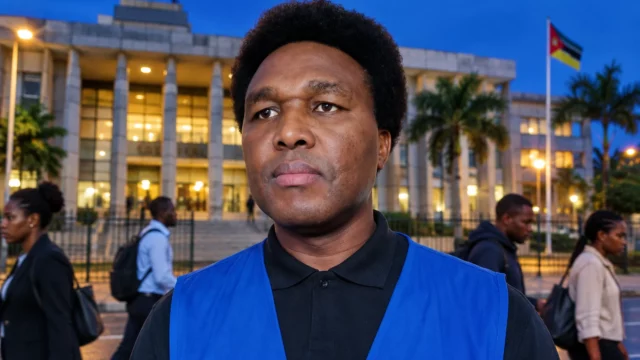
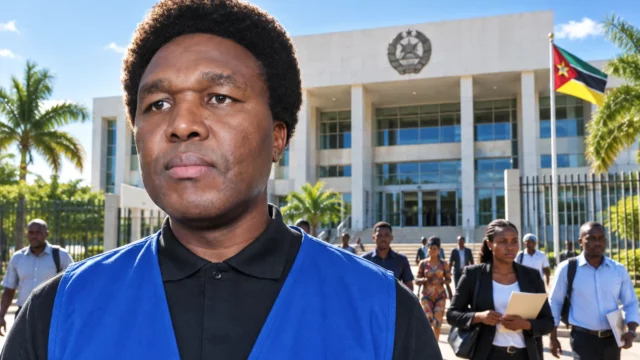
In the capital, individual stories bring this shift into focus. Elton Raimundo Joaquim, a 27-year-old Mozambican, says he began using cannabis, crack and heroin to find inspiration for his music. After a failed attempt at rehabilitation, he says he stole to fund his drug use. His testimony illustrates the social effects of addiction: estrangement from family and friends, loss of income and greater exposure to violence and disease.
Rehabilitation centres are trying to respond with limited resources. At a REMAR facility near Maputo, residents take part in carpentry, metalworking and maintenance activities. The aim is to rebuild routines and a sense of community. Centre officials say, however, that they are receiving more people dependent on methamphetamine.
Flora Bonifácio, who is on the road to recovery, says she began using drugs at 16. Her family, she says, did not discover it until 12 years later. This gap points to a major challenge: addiction often remains hidden until it triggers a family, medical or financial crisis.
Regional routes add to the pressure
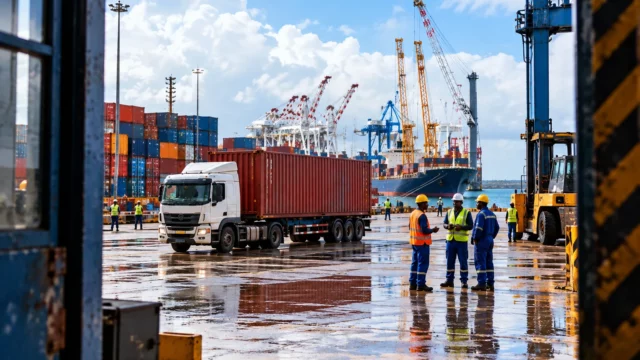
Geography partly explains Mozambique’s vulnerability. The country has about 2,500 kilometres of coastline on the Indian Ocean. It also shares land borders with Tanzania, Malawi, Zambia, Zimbabwe, South Africa and Eswatini. Its ports, airports and road links connect East Africa with southern Africa.
Mozambique is thus situated on the “southern route”, a network of maritime and land routes used, among other things, to transport heroin from South Asia to East and southern Africa. Traffickers also use routes originating in Brazil. In 2024, Mozambican authorities intercepted cocaine arriving on routes linking São Paulo to Maputo, sometimes via Addis Ababa or Lisbon.
Methods are evolving rapidly. Mozambique’s National Criminal Investigation Service announced in July 2024 that it had seized 90 kilograms of cocaine concealed in cosmetic products and a further 1,356 kilograms hidden in boxes of confectionery. Both shipments came from Guarulhos, Brazil. Six people were detained in the case, including an officer from the tax authority.
These operations show both the ingenuity of the networks and weaknesses in controls. Mozambican agencies still lack scanners, sniffer-dog teams and specialists able to identify chemical precursors. Traffickers also exploit the long coastline and the movement of goods between ports, rural areas and major urban centres.
Local production is another risk. Recent reports by the United Nations Office on Drugs and Crime have noted the dismantling of clandestine laboratories and the seizure of precursors. Methamphetamine is being closely monitored in particular, as it can be produced using chemicals available through commercial channels. It is also easier to transport than some traditional drugs.
This shift affects all of southern Africa. South Africa remains a major market and redistribution hub. Tanzania also plays an important role on Indian Ocean maritime routes. Across this region, criminal networks cross borders faster than administrations share information.
Prevention, cooperation and public responsibility
Mozambique co-operates with South Africa, Tanzania, Eswatini, Brazil and Portugal. This co-operation covers intelligence-sharing, financial investigations and extraditions. It forms part of the broader Southern African Development Community (SADC), which brings together countries in the region and seeks to strengthen their joint response to cross-border trafficking.
Police co-operation alone will not be enough. A policy focused solely on seizures and arrests risks neglecting people with drug dependencies. Care services need to be able to offer consultations, psychological support and social reintegration. They must also reach outlying neighbourhoods and small towns, not just Maputo.
Prevention is another priority. It involves schools, families, workplaces and fishing communities, which are sometimes approached by networks using small boats to transfer shipments from offshore. Clear information can reduce risks without automatically criminalising people with drug dependencies.
The next challenge for Mozambican authorities will be to distinguish more clearly between indicators. A rise in seizures may reflect an increase in trafficking, but it may also point to improved controls. Similarly, an increase in hospital admissions may signal more drug users, or simply better access to care. Without regular data on drug use, treatment and relapse, public policy will remain partly in the dark.
The issue therefore extends beyond Mozambique’s borders. It affects maritime security in the Indian Ocean, trade within SADC and public health across southern Africa. The central question now is whether the country can strengthen its controls while building a medical and social response commensurate with a phenomenon that is no longer merely external.