Algeria
 Egypt
 Libya
 Morocco
 Sudan
 Tunisia
 Benin
 Burkina Faso
 Cabo Verde
 Côte d'Ivoire
 Ghana
 Guinea
 Guinea-Bissau
 Liberia
 Mali
 Mauritania
 Niger
 Nigeria
 Senegal
 Sierra Leone
 The Gambia
 Togo
 Cameroon
 Central African Republic
 Chad
 DR Congo
 Equatorial Guinea
 Gabon
 Republic of the Congo
 São Tomé and Príncipe
 Burundi
 Comoros
 Djibouti
 Eritrea
 Ethiopia
 Kenya
 Madagascar
 Malawi
 Mauritius
 Rwanda
 Seychelles
 Somalia
 South Sudan
 Tanzania
 Uganda
 Angola
 Botswana
 Eswatini
 Lesotho
 Namibia
 South Africa
 Zambia
 Zimbabwe
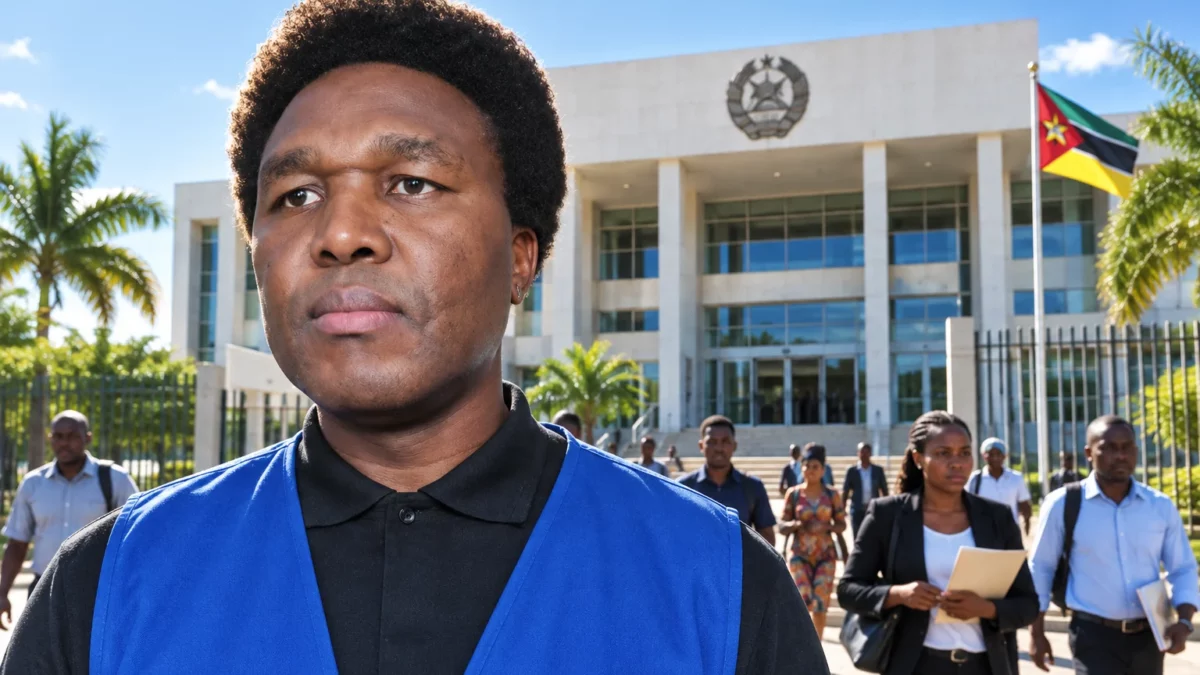
In Mozambique, Venâncio Mondlane’s trial comes as the wounds of the 2024 presidential election remain open. The courts must examine serious charges. But the fairness of the proceedings will also weigh on the trust that part of the population places in the institutions.
A disputed vote, a crisis that persists
On 9 October 2024, Mozambicans voted to elect their president and representatives. The electoral commission declared Daniel Chapo, the candidate of Frelimo, the party in power since independence, the winner. Venâncio Mondlane, who came second according to the official results, contested the vote and refused to accept his defeat. Observers also noted irregularities, but these did not lead to the result being annulled.
The protests that followed lasted several months and were accompanied by violence, particularly in the capital, Maputo, and in other cities. Estimates vary depending on the sources and periods considered. The Mozambican civil society platform DECIDE documented about 315 deaths between 21 October 2024 and 16 January 2025. Amnesty International reported this figure, while Human Rights Watch also described deaths and injuries linked to the suppression of protests. These figures do not make it possible to attribute each death to a specific actor.
The crisis is not limited to a confrontation between an opposition figure and the government. It affects bereaved families, protesters, security forces and disrupted economic activity. It has also weakened trust in the electoral process and in the ability of institutions to address disputes without violence.
The charges and the first hearings
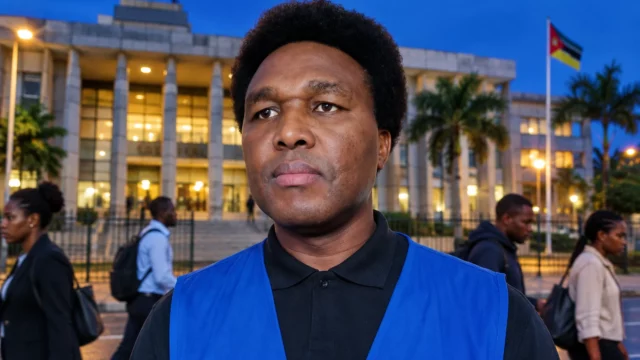
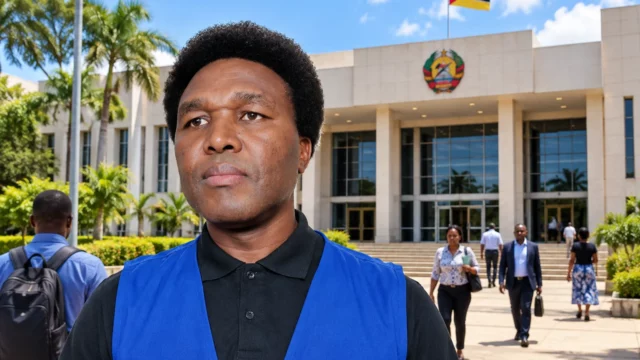
On Tuesday 17 November 2026, the Supreme Court in Maputo opened the trial of Mondlane, leader of the Anamola party and a former presidential candidate. The public prosecutor accuses him, among other things, of publicly condoning crime, inciting disobedience and inciting terrorism. The prosecution argues that videos, intercepted phone communications and bank statements support its case. These elements must be examined during the proceedings: their presentation does not, in itself, constitute proof of guilt.
The first hearing focused in particular on the reading of the indictment. Mondlane said his defence intended to contest the charges and that he was calm. His lawyers were due to present their counterarguments after this hearing. It is now for the Court to assess the evidence put forward by both sides, in accordance with the rules of the trial.
Dozens of supporters gathered outside the court, while security forces maintained a heightened presence. Media access to the courtroom also drew criticism. Mozambican human rights organisations expressed regret at the restrictions imposed on the press. This matters: when the public cannot clearly follow a major political case, judicial decisions risk being interpreted through the narratives of opposing camps.
The trial alone will not resolve the violence
The proceedings concern Mondlane’s criminal responsibility for the acts of which he is accused. They do not automatically answer another central question: who must be held to account for violence committed during the post-election period? Human Rights Watch has called for credible investigations into deaths and alleged abuses, including those attributed to the security forces. Local organisations have also called for those responsible for police violence to be prosecuted.
The charges against the opposition figure, which will be tried, must therefore be distinguished from allegations concerning the authorities’ use of force. Examining one does not remove the need to investigate the other. This requirement does not prejudge responsibility: it reflects the principle that everyone, whatever their role, must answer for facts established by an independent investigation.
Media coverage of the hearing also contributes to its credibility. Access restrictions reported by Mozambican associations and media outlets fuel concerns about transparency. They do not, in themselves, prove that the trial is political or that the Court lacks independence. But they reinforce the importance of reasoned decisions, fair access to the defence and sufficiently precise public information.
At stake for Mozambique and southern Africa
Mozambique is a member of the Southern African Development Community, or SADC, which brings together states in the region and has principles on democratic elections. The 2024 crisis therefore went beyond the national context: how Maputo handles the electoral dispute and allegations of violence is being watched by its neighbours and by the African Union, which upholds continental standards on elections and the rule of law.
For leaders, the trial is a test of the judiciary’s ability to handle a politically sensitive case. For Mozambicans, the stakes are more concrete: whether institutions can hear grievances, establish responsibility and prevent tensions from turning into a new confrontation. The urban population, highly visible in the protests, is not the only group concerned. The economic and political consequences also affect regions and households dependent on informal activities or regular travel.
The next hearings will show how the Court examines the evidence and hears the defence. Progress in the investigations into deaths and violence during the post-election period must also be followed. The credibility of the public response will depend less on statements by the opposing camps than on procedures that are verifiable, consistent and applied to everyone.
Follow Mozambican reports on the hearing ; read Amnesty International’s report on the suppression of protests ; read Human Rights Watch’s analysis of political violence.