Algeria
 Egypt
 Libya
 Morocco
 Sudan
 Tunisia
 Benin
 Burkina Faso
 Cabo Verde
 Côte d'Ivoire
 Ghana
 Guinea
 Guinea-Bissau
 Liberia
 Mali
 Mauritania
 Niger
 Nigeria
 Senegal
 Sierra Leone
 The Gambia
 Togo
 Cameroon
 Central African Republic
 Chad
 DR Congo
 Equatorial Guinea
 Gabon
 Republic of the Congo
 São Tomé and Príncipe
 Burundi
 Comoros
 Djibouti
 Eritrea
 Ethiopia
 Kenya
 Madagascar
 Malawi
 Mauritius
 Rwanda
 Seychelles
 Somalia
 South Sudan
 Tanzania
 Uganda
 Angola
 Botswana
 Eswatini
 Lesotho
 Namibia
 South Africa
 Zambia
 Zimbabwe
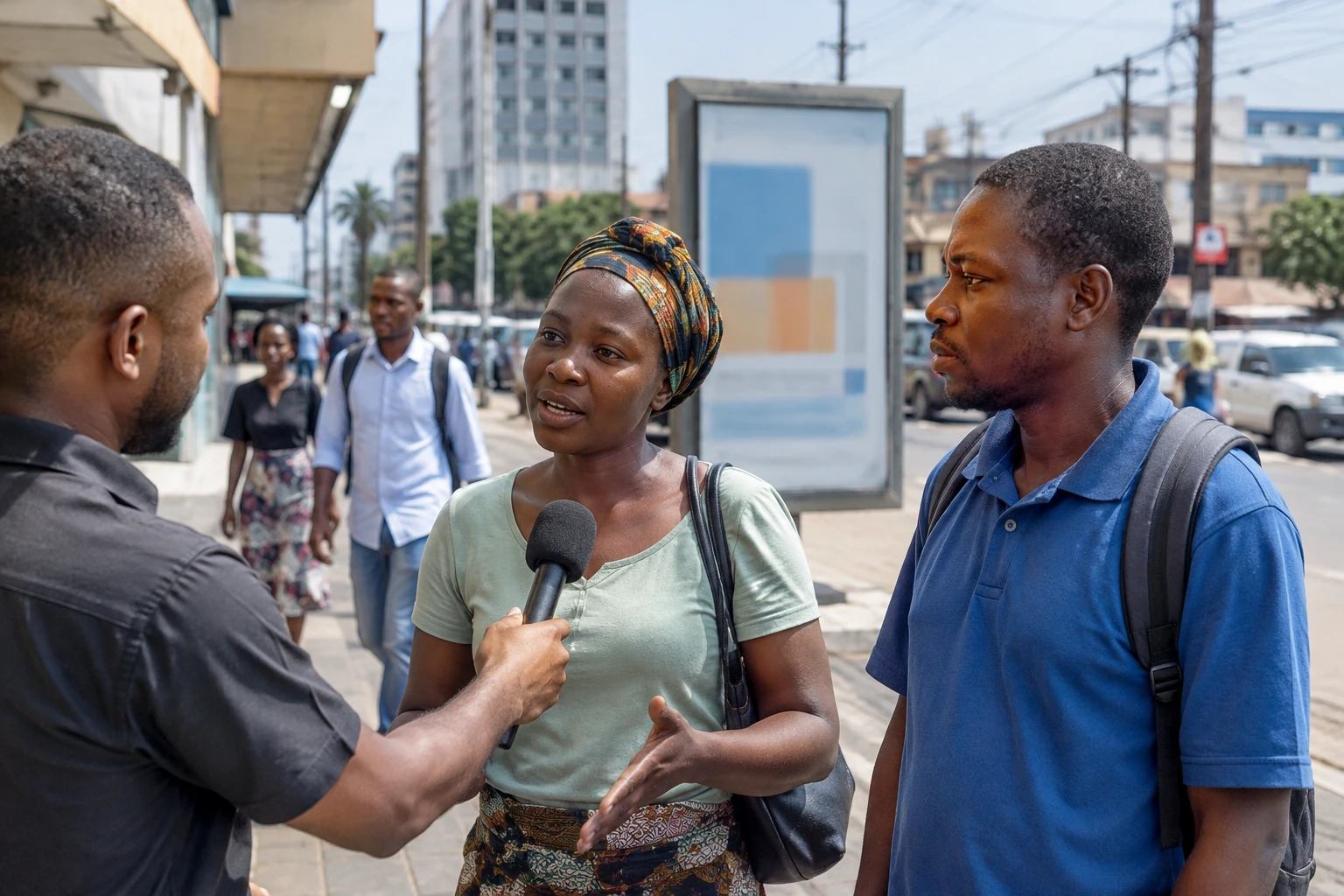
At Temane, the challenge is no longer limited to building a power plant. Mozambique must also share the risks and costs of a delayed project, as the new capacity is expected to strengthen the country’s electricity supply.
A strategic project in southern Mozambique
The Temane thermal power plant is in Inhambane province, in southern Mozambique. It is due to generate up to 450 megawatts (MW) using natural gas from the Pande and Temane fields, operated by Sasol. The gas will fuel a plant connected to the national grid, as well as a transmission line to Maputo.
The project is part of an electricity system still dominated by hydropower. Cahora Bassa power station plays a major role, but hydroelectric output depends on hydrological conditions. According to the International Energy Agency, hydropower accounted for 83% of Mozambique’s electricity generation in 2022. Temane would provide dispatchable capacity—that is, power available as required by the grid—without replacing investment in transmission lines and other energy sources.
Regionally, Mozambique already trades electricity with its neighbours through the Southern African Power Pool (SAPP), which co-ordinates exchanges between several grids in the region. The challenge is therefore twofold: better meeting domestic demand and strengthening generation and transmission capacity that can support cross-border trade.
Public support, subject to conditions
On 4 November 2026, the Council of Ministers adopted Resolution No. 88/2026, approving a package to relaunch the project. The government plans to mobilise up to $65 million from the World Bank to fund the equity contribution of Electricidade de Moçambique (EDM), the state-owned electricity company and a shareholder in the project. This sum is not presented as funding for the entire project.
The measure addresses EDM’s obligations as a concession shareholder. It is part of a project whose total cost is estimated at $660 million by Globeleq, one of the partners. The company is negotiating a financial restructuring with its partners, shareholders and lenders, which it hopes to conclude before the end of 2026. The institutions involved include the International Finance Corporation, the OPEC Fund for International Development and the US International Development Finance Corporation.
The package also changes the concession’s economic terms. Its duration will increase from 28 to 30 years. Royalties are to fall from 3% to 2% during debt repayment, and then from 8% to 5% until the end of the concession. EDM would temporarily forgo dividends, up to a limit of $39 million. The package also provides for an 11.1% adjustment to the tariff component linked to capital recovery.
These concessions are not unconditional, however. Implementation depends on additional agreements and guarantees intended to protect EDM and consumers. The text provides, in particular, for any windfall gains—including those linked to a performance guarantee currently being challenged in court—to contribute to future tariff reductions. It also provides for EDM to play a greater role in monitoring the project and making decisions about the works.
Delays, cost overruns and a postponed timetable
The authorities attribute the delays to the passage of Cyclone Freddy, Tropical Storm Filipo and the initial contractor’s abandonment of the site. Globeleq also cites damage caused by two cyclones and the post-election violence of 2024 as factors that complicated the work and increased costs. A new contractor, Turkish company ENKA, was appointed in December 2025, according to information reported by Reuters.
Full commissioning is now scheduled for 2028, three years later than originally planned, Samir Sale, Globeleq’s managing director in Mozambique, said. This deadline remains dependent on completion of the works and the conclusion of financial discussions. A second phase, which could add 450 MW, is so far only a prospect: it will depend on how the first unit performs and on subsequent investor decisions.
For public finances, support for EDM could help preserve the national company’s stake in an important energy asset. But the concessions granted to the project and the tariff adjustment raise a practical question: how will the cost of the rescue be shared between shareholders, public finances and users? The guarantees set out in the resolution will be decisive, particularly in determining whether future gains will actually benefit the tariffs paid by consumers.
Capacity is expected, but electricity has yet to be delivered
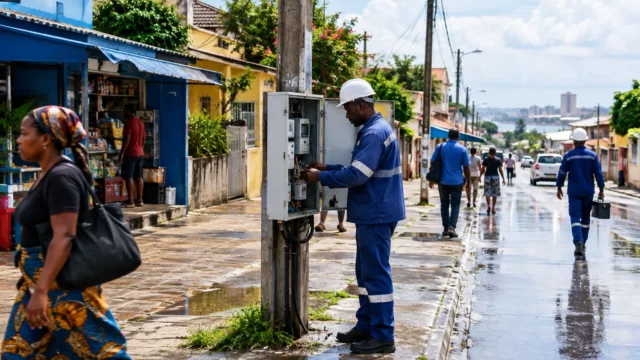
For residents and businesses, the announced 450 MW will have no impact until the plant and its connecting infrastructure are operational. A new generating unit can support supply, but it cannot by itself guarantee reliable access to electricity in every region. The transmission and distribution network, as well as the cost of service, remain essential to turning installed capacity into accessible supply.
The project also raises an energy trade-off. Mozambican gas can fuel domestic generation and diversify a system heavily dependent on hydropower. However, a thermal plant adds emissions and commits the country to fossil-fuel infrastructure for several decades. The question is therefore less one of a simple choice between gas and hydropower than of the place of Temane in a strategy combining reliability, access, cost and the energy transition.
For southern Africa, the episode illustrates a shared challenge: cross-border energy projects depend as much on contracts, guarantees and grids as on natural resources. The next step will be to see whether financing agreements are finalised by the end of 2026, and then whether the 2028 timetable holds. The resolution provides a framework for support; it does not yet mean that the plant is complete or that electricity is available.
Sources consulted: details of the government package and its guarantees, report on Resolution No. 88/2026, information on financing and the timetable provided by Globeleq and the International Energy Agency’s analysis of Mozambique’s electricity system.