Algeria
 Egypt
 Libya
 Sudan
 Tunisia
 Benin
 Burkina Faso
 Cabo Verde
 Côte d'Ivoire
 Ghana
 Guinea
 Guinea-Bissau
 Liberia
 Mali
 Mauritania
 Niger
 Nigeria
 Senegal
 Sierra Leone
 The Gambia
 Togo
 Cameroon
 Central African Republic
 Chad
 DR Congo
 Equatorial Guinea
 Gabon
 Republic of the Congo
 São Tomé and Príncipe
 Burundi
 Comoros
 Djibouti
 Eritrea
 Ethiopia
 Kenya
 Madagascar
 Malawi
 Mauritius
 Mozambique
 Rwanda
 Seychelles
 Somalia
 South Sudan
 Tanzania
 Uganda
 Angola
 Botswana
 Eswatini
 Lesotho
 Namibia
 South Africa
 Zambia
 Zimbabwe
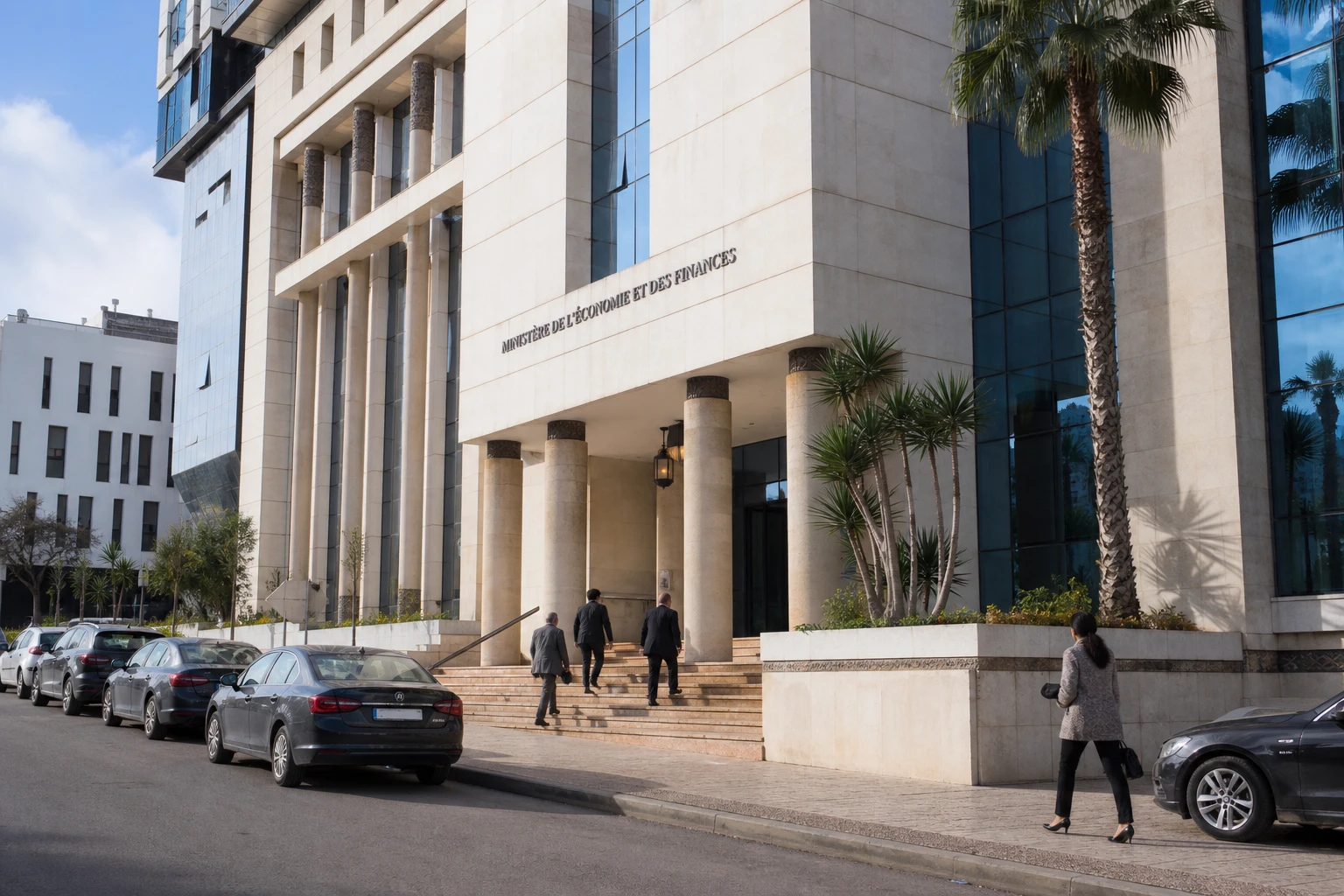
Morocco faces a new age of digital dissent
In Morocco, the mobile phone is no longer just a means of entertainment. It has also become a space for debate and mobilisation — and, now, for sanctions. For content creators, rappers and young people in GenZ 212, the line between public expression and prosecution is tightening markedly. This shift points to something broader: the battle is not just about videos or songs, but about control of a digital space where some Moroccan young people express themselves without intermediaries.
The institutional context matters. In Rabat, the Constitution guarantees freedom of expression and creativity, while providing that these rights are exercised within the limits set by law. The justice system operates within an institutional order in which the king chairs the Higher Council of the Judiciary, giving the monarchy a central place in the architecture of the state. At the same time, the authorities have sent increasingly firm signals in response to the mobilisations of late 2025, particularly after GenZ 212 demonstrations focused on health, education and employment.
The sequence began with protests in September and October 2025. The GenZ 212 movement, organised without any apparent party structure, mobilised young people around concrete social demands: access to healthcare, public education, jobs and the fight against corruption. Moroccan media reported numerous arrests and prosecutions. In late October 2025, the office of the public prosecutor reported that 2,480 people had been prosecuted, according to figures carried by the national press. An earlier reference point cited 193 suspects prosecuted after the violence of 30 September. These figures relate to different waves of proceedings, but they show the scale of the criminal justice response.
On 10 October 2025, in his speech to Parliament in Rabat, Mohammed VI stressed social priorities: jobs for young people, education, health and regional development. The speech served as a forceful political reminder. It also set out a framework: social demands are recognised, but must be channelled through institutional mechanisms. This gap between social expectations and political constraints partly explains the severity of the current moment.
Content creators and rappers: the same red line
In this climate, court cases involving prominent social media figures have taken on symbolic significance. Influencer Soukaina Janah, known as Soukaina Glamour, was at the centre of a conviction in the old “Hamza mon bb” case, in which she had already received a two-year prison sentence and a fine in 2020. In August 2026, several Moroccan publications reported a new case against her in Marrakech, with a heavy sentence and a ban on using social media. The available information confirms the punitive trajectory surrounding this name, although the precise details of the latest ruling should be treated with caution in the absence of a full judicial statement.
The case of Yass Naubelle, a French-Algerian influencer convicted in Marrakech in June 2026, added another dimension to the debate. Several media outlets reported that she had been arrested at the airport before her departure, then sentenced to one year in prison for remarks deemed defamatory and offensive towards a public institution. Again, the case shows how the Moroccan justice system can treat online content as a criminal offence, particularly when it targets the police or institutions.
Rap is following the same course. Pause Flow, whose real name is Jawad Asradi, was prosecuted for insulting a constituted body and public officials. In April 2026, the Fes Court of Appeal was still examining his case after he had been given a three-month suspended sentence and fined 2,000 dirhams. In the case of another rapper, Mehdi Black Wind, the justice system also moved quickly: remanded in custody in Casablanca in July 2026, he was later released on bail on 31 July, while remaining under prosecution for insulting a constitutional institution. As for L7assal, several sources reported in spring 2026 that he had been sentenced to eight months in prison, a term upheld on appeal.
These cases involve different artistic genres, but they meet the same red line: criticism of institutions, allegations of corruption, denunciations of the police or mockery of the authorities. Moroccan law clearly distinguishes freedom of expression from defamation, insult and false information. In practice, however, the line is often determined on a case-by-case basis in court. That is why the debate goes beyond public morality alone. It concerns the legal certainty of creators, journalists, activists and influencers.
An issue for Morocco, the region and the continent
For the Moroccan state, there are two sides to the challenge. On the one hand, it must preserve public order and respond to offences that have genuinely been committed. On the other, it must avoid giving the impression that the justice system is being used to deter any form of critical speech. This is particularly sensitive in a country where highly connected urban young people immediately link the question of freedoms to jobs, public services and everyday dignity. Judicial firmness can bring a particular episode to an end. In the longer term, it can also fuel distrust of institutions if it appears disproportionate.
The regional dimension is clear. In North Africa and across several countries on the continent, digital platforms have changed the language of protest. Youth movements, rappers and content creators are playing an increasingly prominent role, sometimes outside political parties and trade unions. Morocco is not alone in facing this tension between digital openness, political control and judicial regulation. But its position is distinctive: as a country that lays claim to institutional stability, Rabat seeks to project the image of a reforming state while strictly regulating dissenting uses of the web. Across the region, this will be closely watched, as many African capitals face the same question to varying degrees.
The next phase will unfold on several fronts: the outcome of proceedings still under way, the way the Moroccan justice system classifies the content in question, and the authorities’ ability to meet social expectations without further escalating the stand-off with a generation that now expresses itself as much on TikTok, Discord or YouTube as in the street. In Rabat, as in Casablanca, the question is no longer simply how to punish speech. It is what kind of public sphere Morocco wants to leave open to its young people.