Algeria
 Egypt
 Libya
 Morocco
 Sudan
 Tunisia
 Benin
 Burkina Faso
 Cabo Verde
 Côte d'Ivoire
 Ghana
 Guinea
 Guinea-Bissau
 Liberia
 Mauritania
 Niger
 Nigeria
 Senegal
 Sierra Leone
 The Gambia
 Togo
 Cameroon
 Central African Republic
 Chad
 DR Congo
 Equatorial Guinea
 Gabon
 Republic of the Congo
 São Tomé and Príncipe
 Burundi
 Comoros
 Djibouti
 Eritrea
 Ethiopia
 Kenya
 Madagascar
 Malawi
 Mauritius
 Mozambique
 Rwanda
 Seychelles
 Somalia
 South Sudan
 Tanzania
 Uganda
 Angola
 Botswana
 Eswatini
 Lesotho
 Namibia
 South Africa
 Zambia
 Zimbabwe
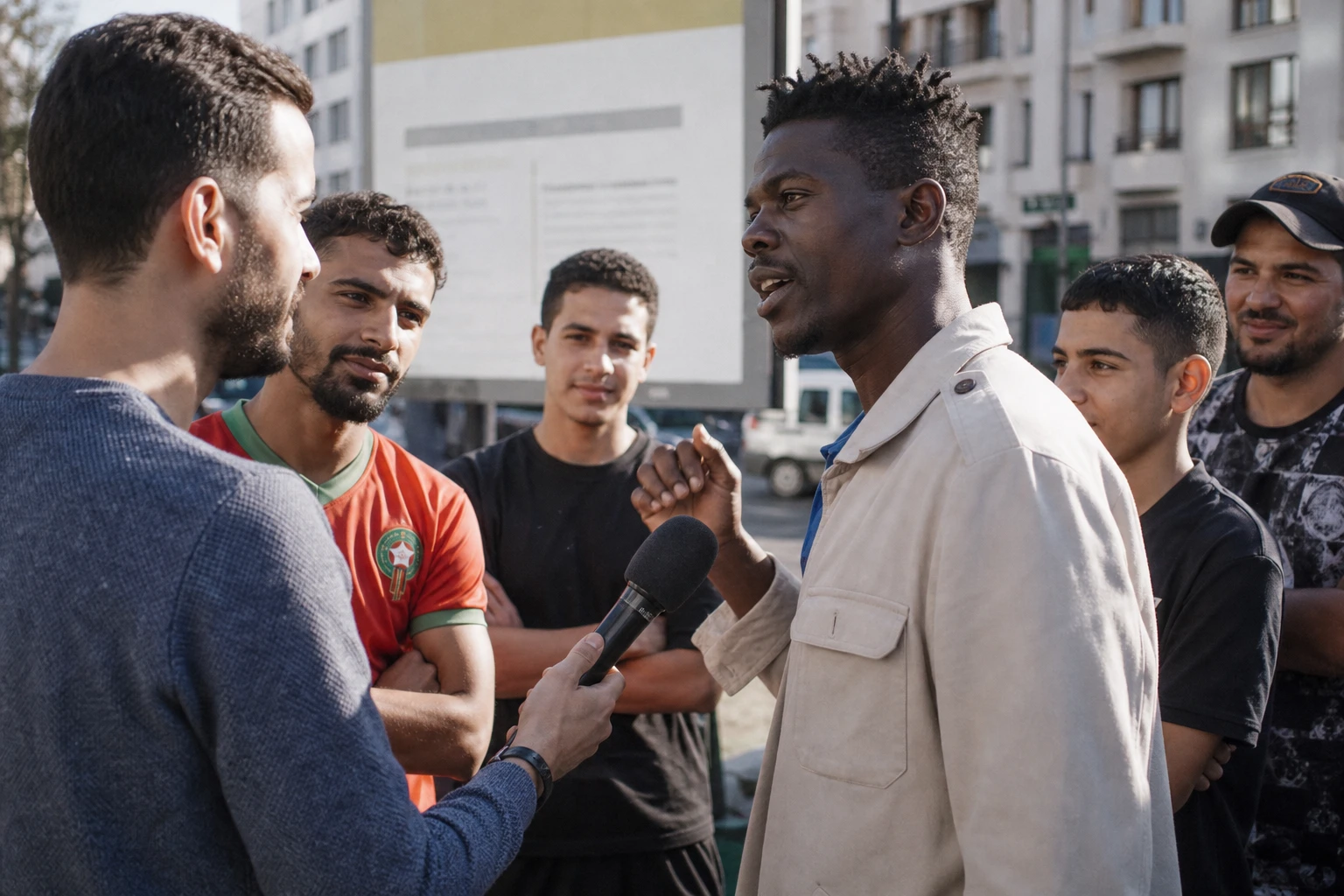
In Tangier, Morocco let a victory that seemed assured slip away. In front of their home crowd, the Moroccan side controlled much of their match against Mali before conceding an equaliser in the final quarter. The 1-1 scoreline is a reminder that a friendly can also expose areas where a team needs to improve.
A successful international break, but a more subdued ending
Morocco and Mali drew on Sunday 4 October 2026 at the Grand Stade de Tanger. Abdessamad Ezzalzouli put the Atlas Lions ahead from the penalty spot in the 35th minute. Gaoussou Diarra equalised in the 77th minute, after a pass from Amadou Dante.
The result brings a largely positive international break to a close for Morocco. Before this match, Mohamed Ouahbi’s side had beaten Gabon and Lesotho, both times by a score of 2-0, in the 2027 Africa Cup of Nations qualifiers.
The Confederation of African Football placed Morocco in Group A, alongside Gabon, Niger and Lesotho. Mali are in Group K, alongside Cape Verde, Rwanda and Liberia. The top two teams in each group must qualify for the finals, scheduled to take place in East Africa from 19 June to 17 July 2027. The draw for the 2027 Africa Cup of Nations groups confirms that both sides are among the seeded teams.
Ezzalzouli clinical, Mali patient
Morocco controlled possession in the first half. However, their dominance remained unproductive for a long time. Mali’s compact shape between the lines restricted space and limited dangerous chances in front of their penalty area.
The opening goal came from an individual effort by Ezzalzouli. The Moroccan forward won the ball near the Malian defence. As he attempted to clear it, Cheick Keita caught him in the penalty area. The referee pointed to the spot.
Ezzalzouli took responsibility. The Malian goalkeeper guessed the direction and got a touch to the ball, but could not prevent the shot from finding the back of the net. Morocco therefore went into the break with a one-goal lead.
After the break, Mali gradually pushed their defensive line forward. The Eagles pressed Morocco’s first pass out from the back more aggressively. They also took advantage of the home side’s drop in tempo to establish play in the opposition half.
The substitutions then changed the momentum of the match. Mohamed Ouahbi brought on Brahim Diaz and Soufiane Rahimi in the 65th minute, replacing Ezzalzouli and Ismaël Saibari. At the same time, Mali’s coaching staff brought on Gaoussou Diarra.
The move proved decisive. Amadou Dante came on in the 73rd minute. Four minutes later, he set up Diarra, who finished the move to bring the teams level. Mali had turned their adjustments into a tangible advantage.
Morocco tried to regain the initiative in the closing minutes. However, the introductions of Brahim Diaz and Soufiane Rahimi were not enough to create a clear-cut chance for a second goal.
The FIFA rankings, a secondary but visible concern
The draw has no direct impact on Morocco’s 2027 Africa Cup of Nations campaign. They had already taken three points against Gabon and Lesotho. Morocco therefore retain a favourable position in their group and go into the next round of qualifiers with six points.
The result, however, could affect the FIFA rankings. Before the match, Morocco provisionally occupied fifth place in the world, just ahead of Brazil. Sharing the points against a lower-ranked side mechanically reduces Morocco’s tally under the points system used by FIFA.
Brazil, having won their own match on their friendly tour, should therefore move back ahead of Morocco in the live rankings. This shift is separate from performances in official competitions. It does not undermine the Moroccan side’s progress, but it shows how narrow the gap is between the world’s leading national teams today.
The official rankings will have to confirm the gap once all international results have been validated. Provisional figures circulating after a match do not always match FIFA’s final publication.
Different lessons for Rabat and Bamako
For Morocco, the match is a useful reminder. The side knows how to take the initiative and control a game. However, they need to manage periods when their opponents raise the intensity more effectively. Protecting a lead remains an area to work on, especially against African teams capable of changing their game plan after the break.
Mali can take a more encouraging lesson from the match. Trailing, the Eagles did not abandon their organisation. The bench added speed and fresh legs. Substitutes Diarra and Dante were directly involved in the equaliser. This ability to respond is an encouraging sign for the rest of their Group K campaign.
Both teams also saw the value of a fixture between national sides already competing in continental qualifying. For Morocco, the pressure now comes from the consistency their supporters expect. For Mali, it rests more on the need to turn their spells of dominance into results in an open group.
A result to put in the context of the 2027 Africa Cup of Nations race
The 2027 Africa Cup of Nations will be held in East Africa, the competition’s first visit there in several decades. This change of setting will increase travel and logistical demands. Teams will therefore need to build their qualification campaigns over time, rather than relying on a single international break.
In that context, the draw in Tangier does not upset the balance. Rather, it is a reminder that Morocco and Mali are in competitive groups, but still have room to improve. The next rounds of qualifying will show the true significance of this international break.
In the short term, Morocco remain well placed in Group A. Mali also retain their ambitions in Group K. For both sides, the next challenge will be to maintain this solidity in competitive matches, where every missed chance can affect qualification.