Algeria
 Egypt
 Libya
 Sudan
 Tunisia
 Benin
 Burkina Faso
 Cabo Verde
 Côte d'Ivoire
 Ghana
 Guinea
 Guinea-Bissau
 Liberia
 Mali
 Mauritania
 Niger
 Nigeria
 Senegal
 Sierra Leone
 The Gambia
 Togo
 Cameroon
 Central African Republic
 Chad
 DR Congo
 Equatorial Guinea
 Gabon
 Republic of the Congo
 São Tomé and Príncipe
 Burundi
 Comoros
 Djibouti
 Eritrea
 Ethiopia
 Kenya
 Madagascar
 Malawi
 Mauritius
 Mozambique
 Rwanda
 Seychelles
 Somalia
 South Sudan
 Tanzania
 Uganda
 Angola
 Botswana
 Eswatini
 Lesotho
 Namibia
 South Africa
 Zambia
 Zimbabwe
A vote that goes beyond electoral mechanics
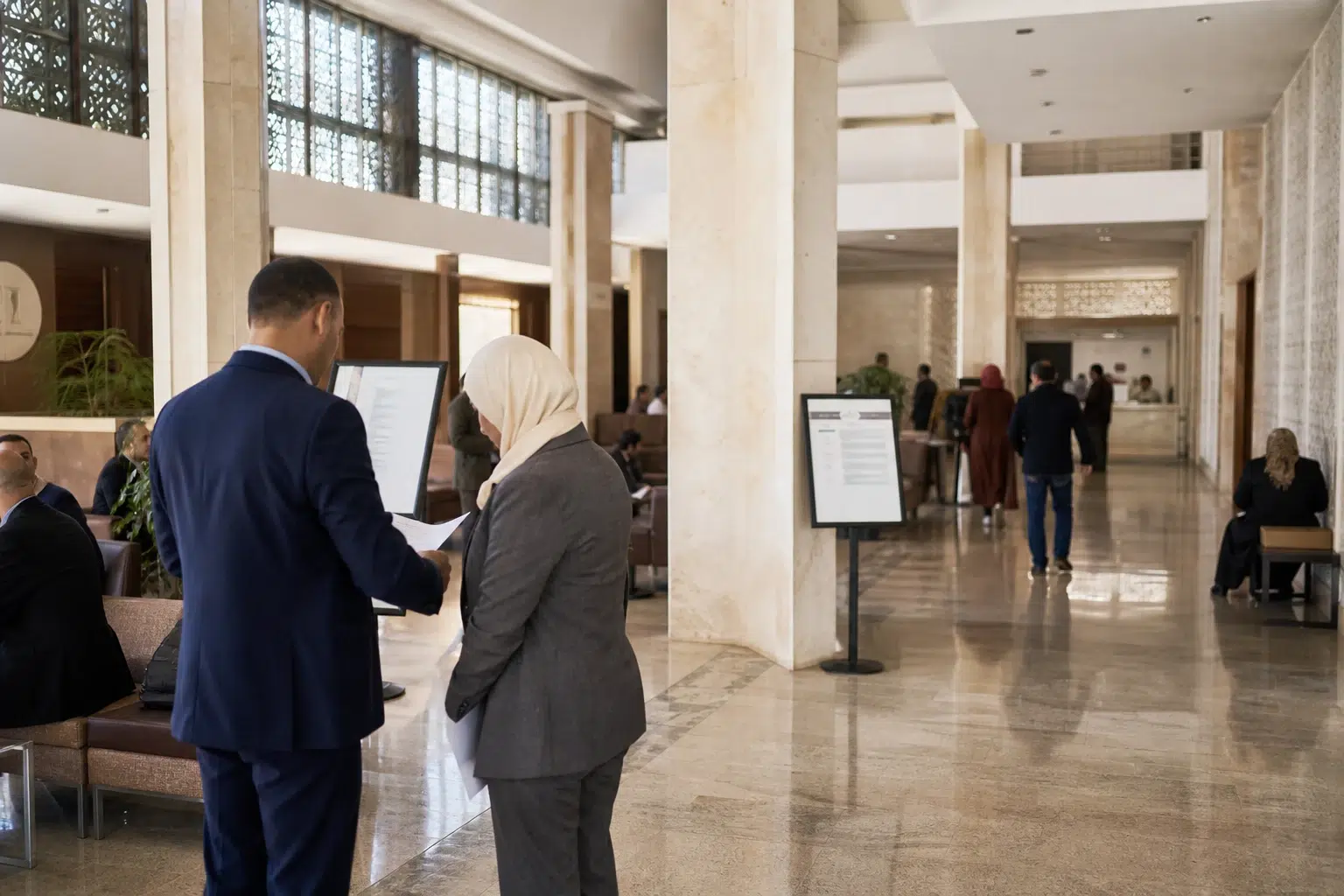
Days before the election, the real question in Morocco is not simply who will win seats. It is more straightforward, and more concrete: who can still convince voters, many of whom are focused on the cost of living, employment and the quality of public services? In a country where the House of Representatives is renewing 395 seats, the stakes go beyond party competition. They touch on the very credibility of political representation.
The timetable is now set: voting will take place on Wednesday 23 September 2026, after a campaign that opened on 10 September and closes at midnight on 22 September. Candidates filed their applications from 31 August to 9 September, while the electoral rolls were revised in the spring as part of the technical preparations for the vote.
Rabat prepares a vote governed by new rules
Under Morocco’s institutional system, the House of Representatives is Parliament’s lower house. It is elected by direct universal suffrage, using party lists and proportional representation, with the largest remainder method. This formula encourages political fragmentation and makes parliamentary alliances decisive after the vote.
The electoral reform adopted ahead of the vote introduced several adjustments. It strengthens women’s presence, reserves regional constituencies for female candidates only and tightens the conditions for setting up and funding parties in order to improve representation for young people and Moroccans living abroad. The maximum age for some candidates heading lists was also lowered from 40 to 35, directing public funding towards younger profiles.
The Interior Ministry has also highlighted provisions on campaign financing and the practical organisation of voting. A proxy voting platform for Moroccans living abroad was opened to make it easier for them to take part. In a country where the diaspora plays a significant role in the economy, this measure is not a minor one. It aims to broaden political participation, often seen as too concentrated within the country.
Very concrete social expectations
Electoral laws may change, but that is not enough to dispel social expectations. In Morocco, public debate remains dominated by very concrete issues: purchasing power, youth employment, schools and healthcare. The economic context sets the tone. The High Commission for Planning reports an unemployment rate of 13.3% and inflation close to zero in the second quarter of 2026, with the labour market still under strain.
The same HCP also reports an economy buoyed by the recovery of certain activities and by services, but not fully absorbing pressure on employment. This situation weighs more heavily on young people, precarious urban workers and households living on irregular incomes. It explains why election campaigns are no longer won on grand speeches alone, but on the ability to turn promises into measurable policies.
The social dimension of the vote also matters for women. The new provisions seek to consolidate their presence in Parliament and in political parties. This is an important signal, because representation is not measured solely by the number of female candidates on posters. It is also measured by real access to the top of party lists, winnable nominations and decision-making posts.
What this election says about Morocco and its region
Morocco is part of North Africa, but its parliamentary election has wider significance. In the Maghreb, where the Arab Maghreb Union remains politically inactive, Rabat is seeking to show that electoral reform can serve as a tool for institutional adjustment, rather than a mere procedural ritual. This period also matters for African parliamentary diplomacy, where the representation of women, young people and diasporas is increasingly prominent.
The 23 September vote will therefore reveal more than the balance of power between parties. It will show whether the new rules genuinely bring new faces into politics, whether young people and women gain access to positions that matter, and whether the House of Representatives can once again become a place where everyday concerns enter the national debate without being filtered or delayed. In a regional context often marked by institutional instability, Morocco is testing its ability to make elections a tool for political continuity and social renewal.