
 Algeria
 Egypt
 Libya
 Sudan
 Tunisia
 Benin
 Burkina Faso
 Cabo Verde
 Côte d'Ivoire
 Ghana
 Guinea
 Guinea-Bissau
 Liberia
 Mali
 Mauritania
 Niger
 Nigeria
 Senegal
 Sierra Leone
 The Gambia
 Togo
 Cameroon
 Central African Republic
 Chad
 DR Congo
 Equatorial Guinea
 Gabon
 Republic of the Congo
 São Tomé and Príncipe
 Burundi
 Comoros
 Djibouti
 Eritrea
 Ethiopia
 Kenya
 Madagascar
 Malawi
 Mauritius
 Mozambique
 Rwanda
 Seychelles
 Somalia
 South Sudan
 Tanzania
 Uganda
 Angola
 Botswana
 Eswatini
 Lesotho
 Namibia
 South Africa
 Zambia
 Zimbabwe
In Ceuta, the sea leaves absences too
At the Ceuta border, there are not only bodies to count. There are also families waiting for a call, a photo or a confirmed name. When a crossing goes wrong, the anguish does not end at the shore: it continues in the Moroccan towns from which the missing young people set out.
This tension is part of a longstanding migration corridor between Morocco and the Spanish enclave, where people set out by sea or attempt to cross the border fence. Ceuta remains a regular flashpoint between Rabat and Madrid, in a system where police cooperation and the control of flows play a central role.
Deaths reported, disappearances difficult to establish
Morocco’s interior ministry has reported at least 11 deaths during a crossing to Ceuta. The Moroccan Association for Human Rights, for its part, has spoken of dozens of missing people and received dozens of families seeking traces of their relatives. The two accounts do not describe the same thing, but they point to the same tragedy: lives lost at sea and identities that remain uncertain.
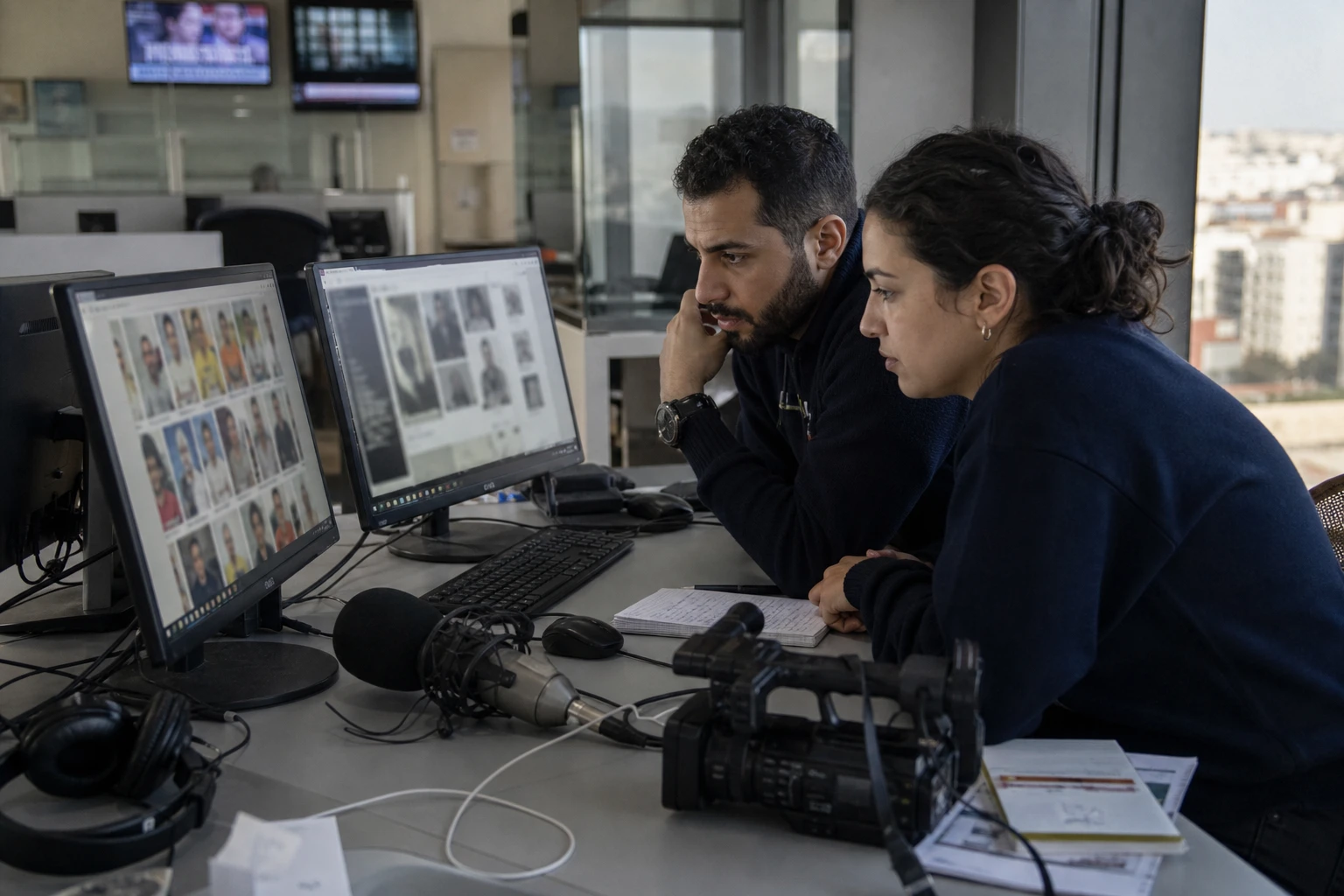
Researchers at the association say they face very practical obstacles. Many migrants lose their phones during the crossing, or run out of battery before they can contact their relatives. Teams then try to cross-check photos, first names and contact numbers with people in Ceuta or in reception centres.
Spanish authorities have documented intense migration pressures in the enclave. Their annual monitoring of missing people also shows that disappearances remain a major issue in Spain, although these figures alone say nothing about the precise fate of each migrant who set out from Morocco.
What this crisis says about Morocco, from Rabat to the northern border
The issue goes beyond the question of irregular crossings. It concerns the protection of young people, families’ ability to obtain reliable information, and the management of border areas in northern Morocco, particularly in the Tangier-Tetouan-Al Hoceima region. In these areas, mobility, the informal economy and neighbourhood social networks often play a more decisive role than official statements.
For families, the question is urgent: whether a son, brother or cousin survived, was detained, transferred or disappeared at sea. For the authorities, the priorities are different: curbing departures, avoiding diplomatic escalation with Spain and maintaining security cooperation around Ceuta. These two approaches coexist, but they do not address the same human emergency.
The precedent set by Ceuta, like that of Melilla, continues to shape perceptions of North Africa’s borders. It is a reminder that migration to Europe from North Africa is not simply a flow: it is also a succession of family tragedies, diplomatic power struggles and debates about rights at borders. Across the continent, this case resonates with other sea routes where a lack of clear information turns every disappearance into an improvised investigation.



