Algeria
 Egypt
 Libya
 Sudan
 Tunisia
 Benin
 Burkina Faso
 Cabo Verde
 Côte d'Ivoire
 Ghana
 Guinea
 Guinea-Bissau
 Liberia
 Mali
 Mauritania
 Niger
 Nigeria
 Senegal
 Sierra Leone
 The Gambia
 Togo
 Cameroon
 Central African Republic
 Chad
 DR Congo
 Equatorial Guinea
 Gabon
 Republic of the Congo
 São Tomé and Príncipe
 Burundi
 Comoros
 Djibouti
 Eritrea
 Ethiopia
 Kenya
 Madagascar
 Malawi
 Mauritius
 Mozambique
 Rwanda
 Seychelles
 Somalia
 South Sudan
 Tanzania
 Uganda
 Angola
 Botswana
 Eswatini
 Lesotho
 Namibia
 South Africa
 Zambia
 Zimbabwe
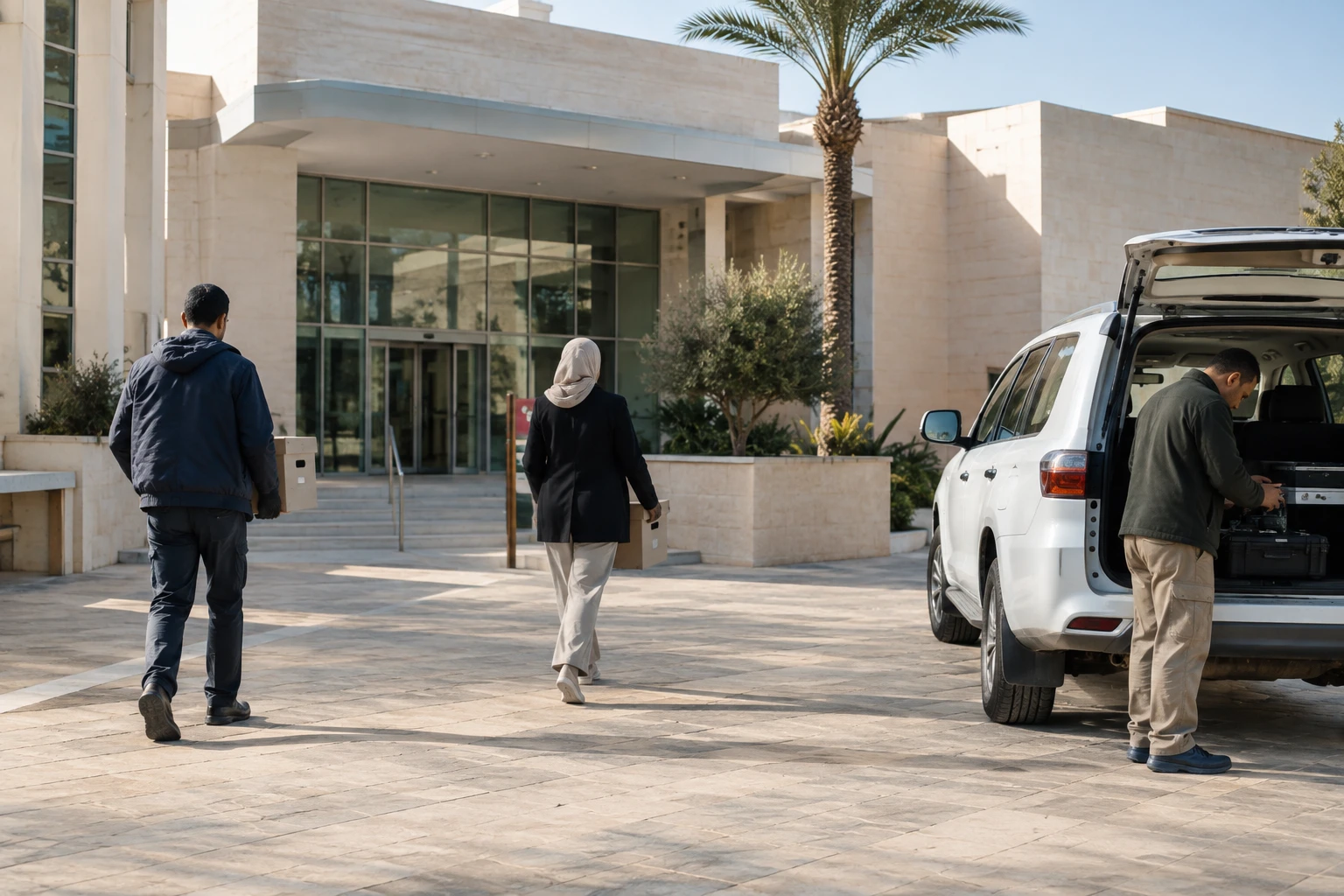
In Rabat, the end of MINURSO’s operations opens an uncertain chapter: Morocco gains diplomatic leverage, but the dispute over Western Sahara remains unresolved. Without a renewed mandate, the UN loses a field presence without securing a political agreement between the parties.
Disagreement at the Council, not a resolution of the conflict
Established in 1991 by the Security Council, the United Nations Mission for the Referendum in Western Sahara was tasked, among other things, with monitoring the ceasefire and preparing a vote on the territory’s future. The referendum has never taken place. Since then, disagreements over who would be eligible to vote and the options on the ballot have prevented it from being held.
The mission’s mandate was due to expire on 31 October 2026. On 30 October, the Security Council adopted neither of the two competing texts submitted to its members. Russia vetoed the US draft, which had the support of 11 members. A Russian proposal to extend the mission also failed to secure the nine votes required. The mandate therefore expired, and the liquidation period began on 1 November, according to the UN secretary-general’s spokesperson. The account of the Security Council vote and the first indications about the mission’s closure confirm this sequence.
The US text placed Morocco’s autonomy initiative at the centre of negotiations and proposed ending the mission. Resolution 2797, adopted in 2025, had already called for discussions to take that proposal as their basis, while maintaining the goal of a solution that would allow the people of Western Sahara to exercise self-determination. The resolution had renewed the mandate until 31 October 2026. The official text of Resolution 2797 sets out this framework.
For Rabat, a diplomatic success that does not close the file
Moroccan authorities have for years advocated an autonomy plan under Moroccan sovereignty. The end of MINURSO may strengthen their argument that negotiations should now focus on this proposal. But the expiry of the mandate amounts neither to a new international recognition of Moroccan sovereignty nor to a UN decision on the territory’s status.
The 2025 resolution also provided for a strategic review of the mission’s future. The deadlock at the end of October changed the picture: instead of a revised or extended mandate, the United Nations is beginning to withdraw its personnel and wind down its activities. These operations take time. They involve decisions about sites and equipment, as well as the monitoring functions carried out in the field until now.
For Sahrawis living in the territory, as well as those in refugee camps near Tindouf, Algeria, the stakes are tangible: a reduced UN presence could make it harder to monitor tensions and incidents. The mission had not resolved the conflict, but it provided an international monitoring mechanism. As it departed, UN officials urged the parties to exercise restraint and reaffirmed the importance of the rights of the territory’s population. Moroccan media coverage of instructions to staff sheds light on the first operational effects of the deadline.
Algeria, the Polisario and the risk of reduced monitoring
The Polisario Front calls for self-determination, with independence among the possible outcomes. Algeria supports its position and objects to texts that, in its view, favour the Moroccan plan. Morocco, meanwhile, considers autonomy the only realistic path. These differences are part of a long-standing regional rivalry between Rabat and Algiers, whose diplomatic relations have been severed since 2021.
The mission’s disappearance does not end this rivalry or guarantee a resumption of negotiations. It could, however, reduce the amount of independent information available from the ground at a time when tensions remain high. The UN said that the end of the mandate did not erase the Sahrawis’ right to decide their future and that its political efforts could continue through the secretary-general’s personal envoy.
Two things must therefore be distinguished: the end of MINURSO’s authorisation and a resolution of the conflict. The first has been in effect since 1 November 2026. The second remains to be achieved, in the absence of an agreement between Morocco, the Polisario Front, Algeria and Mauritania, the parties concerned in the UN discussions.
A test for regional diplomacy and the UN
The Western Sahara issue weighs on Maghreb integration. The closure of the border between Morocco and Algeria and the lack of regional political co-operation already limit exchanges between the two neighbours. Further deterioration could make efforts to bring them closer more difficult and affect people, businesses and cross-border projects, beyond diplomatic circles alone.
The vote also reveals the limits of the Security Council when its permanent members are in direct opposition. The disagreement between Washington and Moscow allowed a mandate to expire without a replacement solution. In the coming months, the issues to watch will be how the withdrawal is carried out, how tensions are monitored and whether the UN envoy can bring the parties back to the same table. The end of the mission’s presence changes the conditions surrounding the issue; it does not determine its outcome.