Algeria
 Egypt
 Libya
 Morocco
 Sudan
 Tunisia
 Benin
 Burkina Faso
 Cabo Verde
 Côte d'Ivoire
 Ghana
 Guinea-Bissau
 Liberia
 Mali
 Mauritania
 Niger
 Nigeria
 Senegal
 Sierra Leone
 The Gambia
 Togo
 Cameroon
 Central African Republic
 Chad
 DR Congo
 Equatorial Guinea
 Gabon
 Republic of the Congo
 São Tomé and Príncipe
 Burundi
 Comoros
 Djibouti
 Eritrea
 Ethiopia
 Kenya
 Madagascar
 Malawi
 Mauritius
 Mozambique
 Rwanda
 Seychelles
 Somalia
 South Sudan
 Tanzania
 Uganda
 Angola
 Botswana
 Eswatini
 Lesotho
 Namibia
 South Africa
 Zambia
 Zimbabwe
A decision taken hundreds of kilometres away can quickly become an emergency on the outskirts of Bamako. Since the beginning of November, people have been leaving gold-mining areas in Guinea and crossing into Mali, where authorities and humanitarian organisations are trying to organise care, accommodation and returns.
From Siguiri to the Malian border
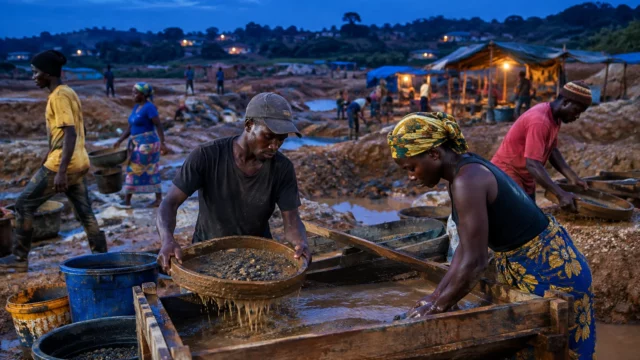
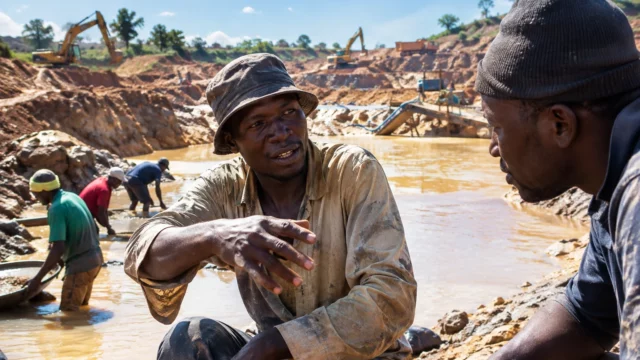
On 2 November, the Guinean authorities announced a ban on what they described as anarchic gold mining in the Siguiri region, in the north-east of the country. They cited environmental damage and risks associated with the use of chemicals. The measures also provide for a reinforced security force presence and checks at mining sites. The decision prompted many workers to leave, including nationals of neighbouring countries. Initial reports on departures and return operations emerged as early as 4 November.
Mali lies on the overland route between Guinea’s mining areas and Burkina Faso. Kourémalé, a border locality in the commune of Benkadi, has therefore become a transit and gathering point. Others have continued on to Bamako or to towns in the west and south of the country.
This movement is taking place in a region where artisanal gold mining and the movement of workers often cross borders. Decisions taken in one country can therefore quickly shift the need for reception and support to another. In this case, Mali must respond to the emergency while coordinating returns with the countries of origin.
Figures that cover different areas
On 7 November, Mali’s government convened the Interministerial Committee for Crisis and Disaster Management to coordinate operations. The figures released publicly vary according to the locations and areas counted. An estimate carried by Malian media puts the number of people present between Kourémalé and Bamako at more than 100,000. Another tally, reported on the same day, mentions more than 40,000 people counted in Kourémalé. These figures do not necessarily describe the same area or the same moment. They remain estimates, rather than a consolidated count. The figure covering Kourémalé and Bamako and the estimate announced for Kourémalé highlight the scale of the uncertainty.
The Malian authorities have identified people from six countries: Mali, Burkina Faso, Côte d’Ivoire, Senegal, Togo and Benin. The breakdown by nationality has not been published. Burkinabè nationals are said to be among the largest groups, but this assessment is no substitute for a verifiable count.
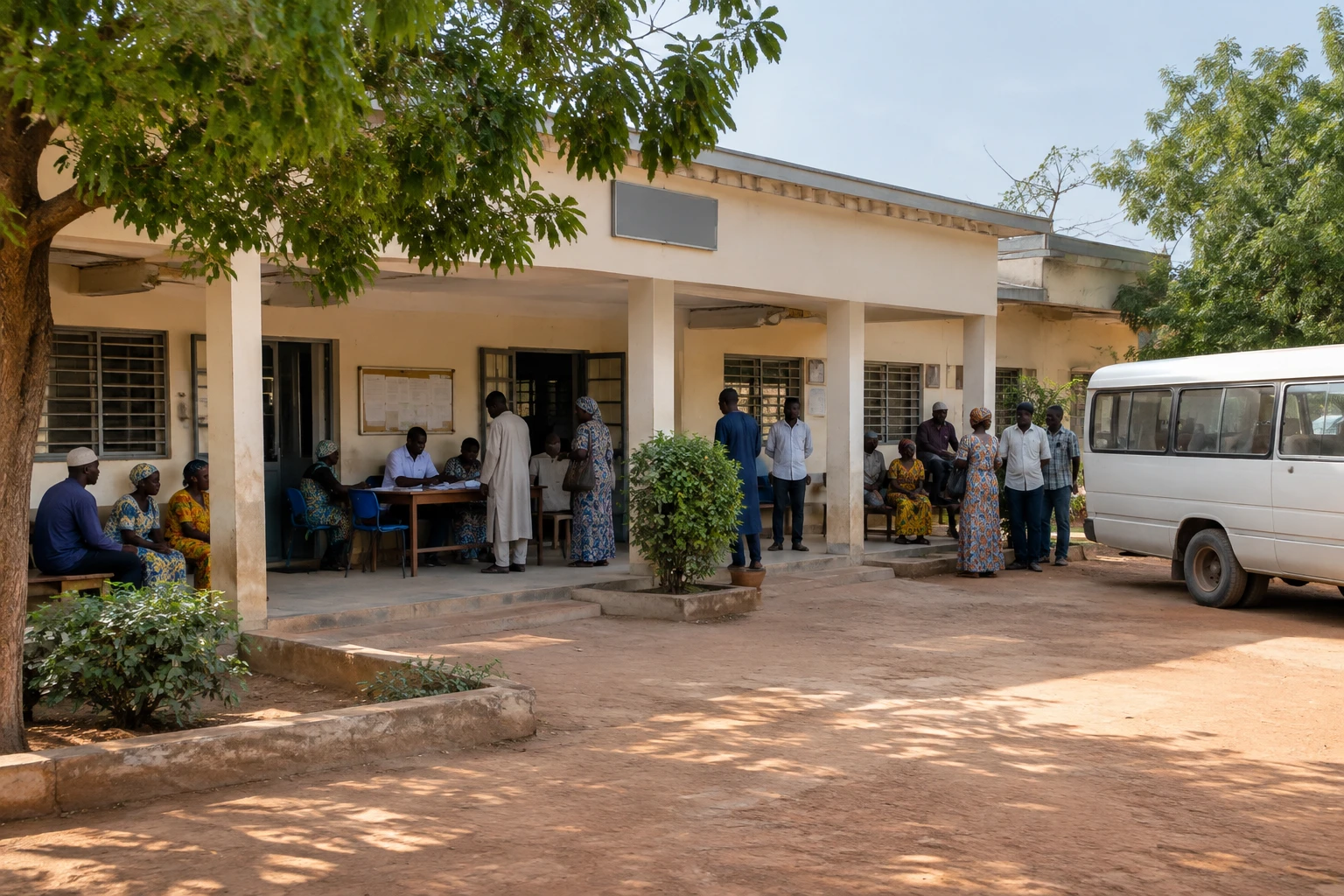
Health figures call for the same caution. Reports carried on 6 November said four deaths had been recorded by the Kourémalé health centre. A Burkinabè diplomat referred to nine deaths. The areas covered and circumstances have not been established in a way that would allow the two tallies to be reconciled. Around 100 injured or ill people are also said to have received care in the locality. Available figures on deaths and treatment remain attributed to the officials who provided them.
Providing shelter without concentrating the emergency in Bamako
The government now wants to gather people in Kourémalé to organise evacuations from the border and avoid a further concentration in the capital. The instruction comes as arrivals have already reached Bamako and outlying sites, including Mamaribougou and Ouezzindougou. The choice of gathering point has direct consequences: it affects access to healthcare, water, shelter and transport, as well as local services’ ability to monitor needs.
Meals, tents and medicines have been announced. The Malian Red Cross, with support from the International Committee of the Red Cross, distributed meals in Ouezzindougou. The World Health Organization has also supplied medicines, according to Mali’s health ministry. This assistance addresses immediate needs, but its reach will depend on continued supplies and the ability to identify the most vulnerable people.
Transport is the other challenge. The Malian authorities have announced the mobilisation of buses and lorries to organise the return of 15,000 people. An initial convoy of 47 buses is said to have arrived in Burkina Faso, while around 50 lorries were awaiting departure. A further 100 lorries are said to have been chartered. These figures describe an operation under way, not the total number of people who have already returned. The update on evacuations announced on 7 November distinguishes convoys that have departed from those still being mobilised.
Regional coordination put to the test
Burkina Faso has sent a ministerial delegation to Bamako to prepare for the return of its nationals. Mali and Burkina Faso also work together within the Alliance of Sahel States, which also includes Niger. This political closeness facilitates exchanges between the two governments, but the response must also take account of the other nationalities involved and the responsibility of the Guinean authorities in managing departures.
Mali is part of the West African region, where free movement and labour migration intersect with national policies governing mining activities. The crisis highlights the importance of consultation mechanisms between neighbouring countries, particularly to inform the states concerned, make travel safer and prevent border communities from bearing the cost of the emergency alone.
In the short term, the figures to watch are the number of people actually counted, returns completed by nationality and changes in medical needs in Kourémalé and around Bamako. Mali’s committee has announced regular monitoring of the situation. Until the figures are consolidated, overall and human tolls should remain attributed and provisional.