Algeria
 Egypt
 Libya
 Morocco
 Sudan
 Tunisia
 Benin
 Burkina Faso
 Cabo Verde
 Côte d'Ivoire
 Ghana
 Guinea
 Guinea-Bissau
 Liberia
 Mali
 Mauritania
 Niger
 Nigeria
 Senegal
 Sierra Leone
 The Gambia
 Togo
 Cameroon
 Central African Republic
 Chad
 DR Congo
 Equatorial Guinea
 Gabon
 Republic of the Congo
 São Tomé and Príncipe
 Burundi
 Comoros
 Djibouti
 Eritrea
 Ethiopia
 Kenya
 Madagascar
 Malawi
 Mauritius
 Mozambique
 Rwanda
 Seychelles
 Somalia
 South Sudan
 Tanzania
 Uganda
 Angola
 Botswana
 Eswatini
 Lesotho
 Namibia
 Zambia
 Zimbabwe
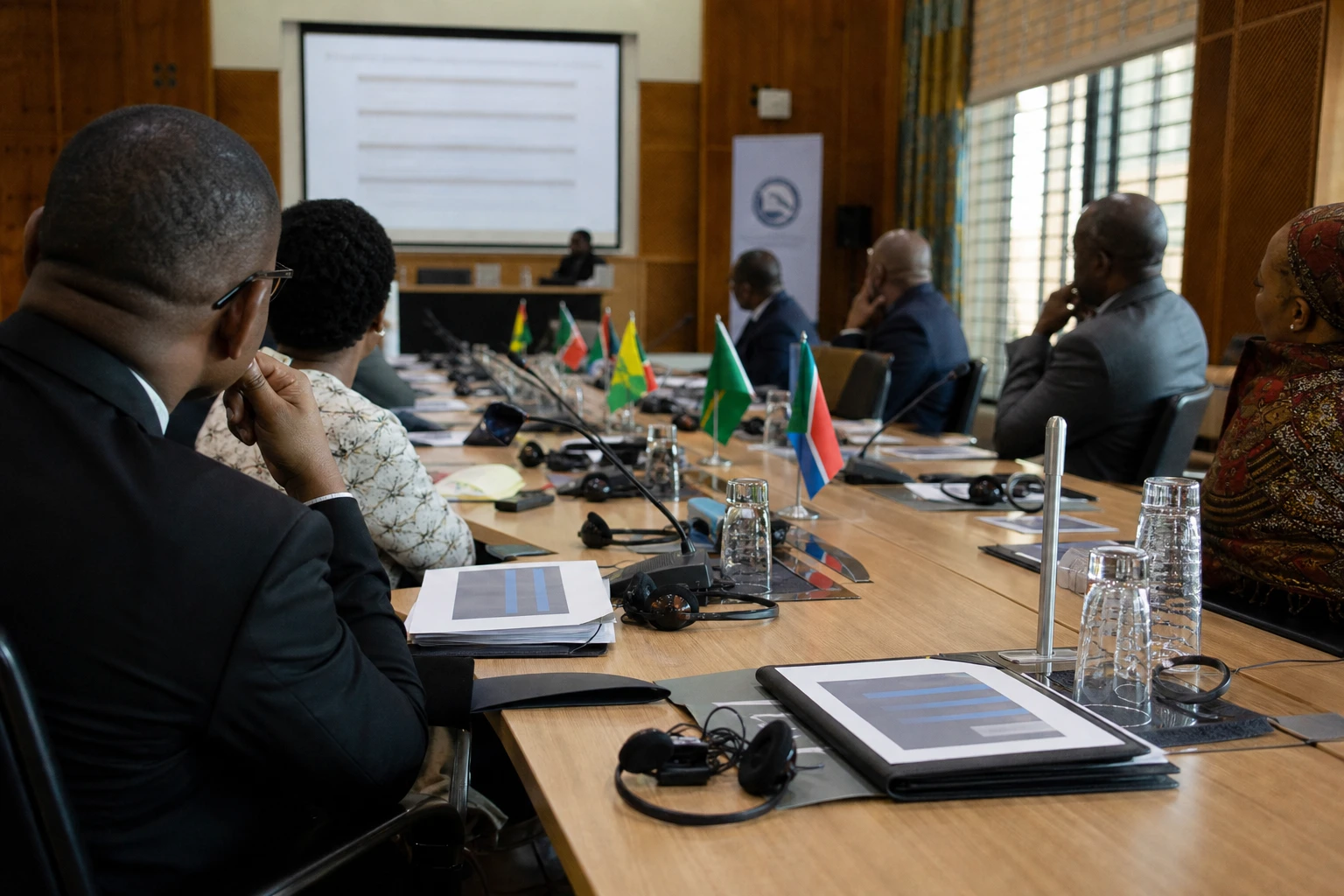
With South Africa’s local elections just weeks away, Julius Malema is once again turning the memory of Marikana into an electoral weapon. In Kokstad, KwaZulu-Natal, the Economic Freedom Fighters (EFF) leader targeted Cyril Ramaphosa and vowed to make his removal a central issue in the vote.
A rally marked by confrontation
Julius Malema spoke on Saturday 3 October 2026 at the Riverview Sports Field in Kokstad, at the launch of the EFF’s programme for the local elections. The party aims to use the campaign to strengthen its foothold in municipalities and challenge the African National Congress’s (ANC) historic dominance.
Addressing his supporters, the leader of the “Red Berets” described Cyril Ramaphosa as “South Africa’s biggest problem”. He called for the president’s removal and demanded that he be jailed. These remarks are part of the EFF’s political strategy. They do not constitute a judicial decision or a completed criminal proceeding.
Malema also attacked the ANC, which has been in power since the end of apartheid, as well as former president Jacob Zuma and his uMkhonto weSizwe (MK) party. The EFF leader said the MK did not represent the country’s future. He presented his own movement as the main force destined to govern in the future.
In his speech, however, he emphasised an issue that goes beyond rivalries between parties: political responsibility for the deaths of workers in the Marikana shooting in August 2012.
Marikana, a wound still open
On 16 August 2012, South African police opened fire on striking miners at Marikana, in North West province. Thirty-four workers were killed that day. Clashes and violence in the days beforehand brought the overall death toll from the events to around 44.
The massacre remains one of the major traumas of post-apartheid South Africa. An official commission of inquiry examined the police’s decisions, the role of Lonmin mine officials, relations with the authorities and the social conditions that had fuelled the conflict.
Cyril Ramaphosa was then a director and shareholder of Lonmin. Emails exchanged during the crisis fuelled criticism of his intervention with the authorities. The commission nevertheless said the executive had not taken part in the police’s operational decision to launch the assault on 16 August. That distinction did not bring the political debate to a close.
For the victims’ families and part of the labour movement, the issue is not limited to who fired the shots. It also concerns the chain of responsibility, the protection of mining interests and the way the state treats workers in dispute. The EFF has built part of its identity around this challenge.
Julius Malema therefore urged voters to keep the victims of Marikana in mind when they cast their ballots. He accused Ramaphosa of helping to criminalise the miners. The South African presidency has not, in the information available, announced a new response to this political intervention.
Phala Phala, the other case used against Ramaphosa
The EFF leader also referred to the so-called Phala Phala affair. The case concerns the theft of foreign currency from Cyril Ramaphosa’s private farm in Limpopo province, and questions about the origin of the money and how the burglary was reported.
The scandal has already triggered several institutional battles. In May 2026, the Constitutional Court revived the parliamentary process relating to a report implicating the president’s conduct. In July, however, the Western Cape High Court temporarily suspended the impeachment proceedings pending consideration of an appeal lodged by Ramaphosa.
This sequence illustrates the complexity of South Africa’s system. Removing a president does not depend on a simple vote of no confidence. It requires a parliamentary process governed by the Constitution, followed by consideration of facts that could amount to a serious violation or major misconduct. The debate therefore remains political, but takes place within a precise judicial framework.
The EFF uses the case to portray Ramaphosa as the symbol of a ruling class that demands accountability from its opponents while itself evading full accountability. The ANC, for its part, defends institutional procedures and the president’s presumption of innocence. These opposing positions are expected to continue shaping the campaign.
Local elections at the heart of the power struggle
The local elections will be held on 4 November 2026. They will elect municipal councils responsible for local services: water distribution, waste management, local roads, street lighting, transport and economic development. In several cities, the quality of these services has more bearing on day-to-day voting than grand national speeches.
The vote comes after a period of political realignment. Since the 2024 national elections, the ANC has governed as part of a national unity government with several parties. This arrangement has reduced its exclusive control of the executive, without eliminating its electoral weight or influence in many municipalities.
The EFF is seeking to turn its national message into local power. The party promises more direct state intervention in municipalities, increased funding and a stronger fight against corruption. But its performance will also depend on its ability to run municipal councils over the long term, form coalitions and meet residents’ practical expectations.
The challenge is particularly acute in rural areas and small towns. In Kokstad and neighbouring municipalities, voters judge parties on access to services, job opportunities, roads and the effective presence of elected representatives. In major cities, the same concerns combine with housing, transport, safety and the management of electricity networks.
A campaign with implications beyond national borders
The South African contest will also have regional significance. South Africa remains the leading economic power in the Southern African Development Community (SADC), an organisation that brings together several countries in the subregion. Its political stability and the strength of its institutions influence the economic and diplomatic balance of Southern Africa.
The vote will provide a measure of the ANC’s fortunes, the EFF’s growth and the MK’s ability to retain influence, particularly in KwaZulu-Natal. Developments in the Phala Phala proceedings, results in the metropolitan areas and any coalitions formed after the vote will also need to be followed.
In Kokstad, Julius Malema sought to impose a simple choice: support the EFF to punish Ramaphosa and the ANC, or maintain a different political direction. South African voters, for their part, will have to weigh the force of national symbols against the results they expect from their municipal governments.