Algeria
 Egypt
 Libya
 Morocco
 Sudan
 Tunisia
 Benin
 Burkina Faso
 Cabo Verde
 Côte d'Ivoire
 Ghana
 Guinea
 Guinea-Bissau
 Liberia
 Mali
 Mauritania
 Niger
 Nigeria
 Senegal
 Sierra Leone
 The Gambia
 Togo
 Cameroon
 Central African Republic
 Chad
 DR Congo
 Equatorial Guinea
 Gabon
 Republic of the Congo
 São Tomé and Príncipe
 Burundi
 Comoros
 Djibouti
 Eritrea
 Ethiopia
 Kenya
 Malawi
 Mauritius
 Mozambique
 Rwanda
 Seychelles
 Somalia
 South Sudan
 Tanzania
 Uganda
 Angola
 Botswana
 Eswatini
 Lesotho
 Namibia
 South Africa
 Zambia
 Zimbabwe
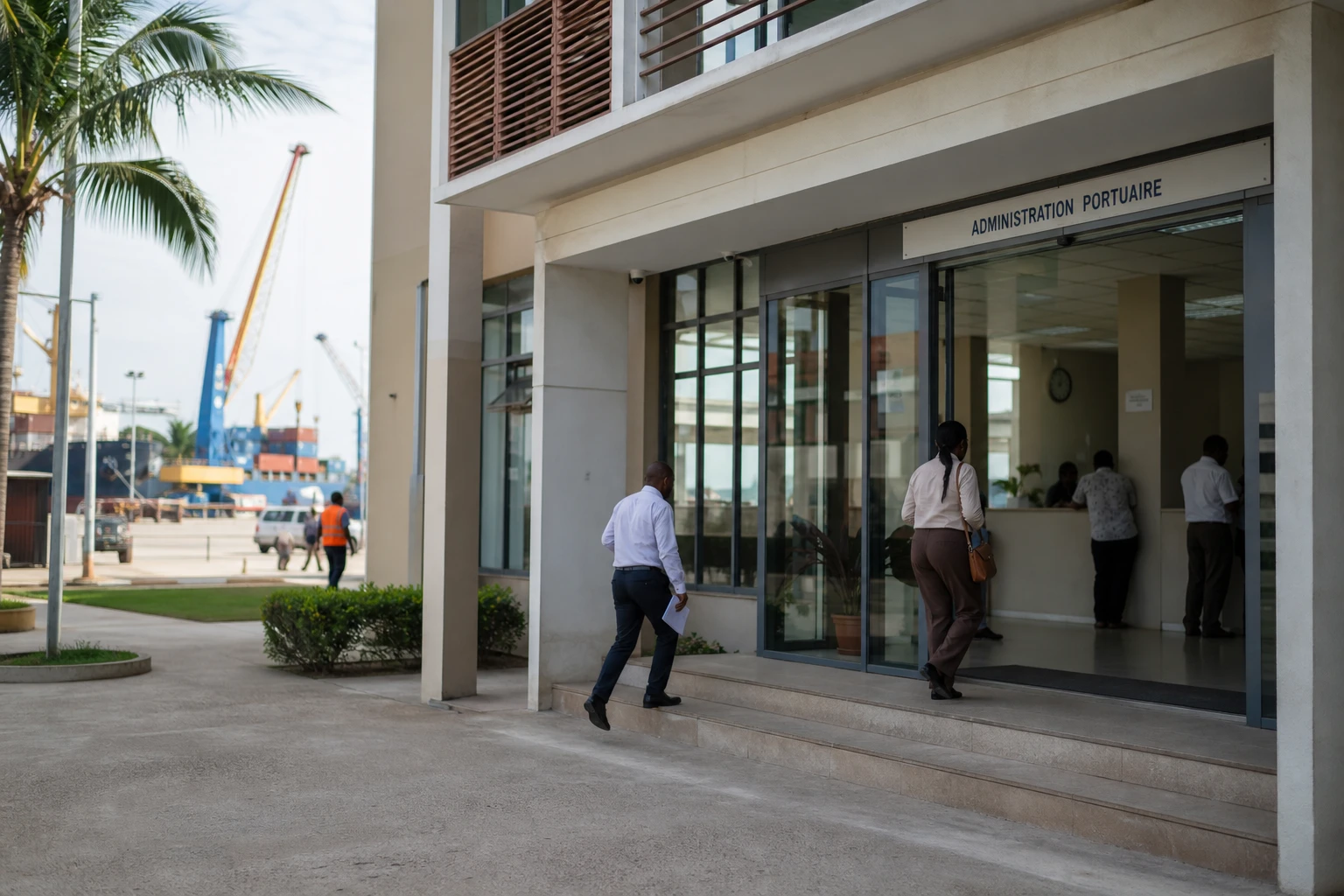
In Toamasina, the quay is central to energy security
In Madagascar, a simple movement of ships can raise tensions at petrol stations, thermal power plants and even in people’s homes. When several cargoes arrive at the same time in Toamasina, the country’s main port, the priority is not only maritime: it also affects electricity, transport and everyday economic life. Toamasina port handles most of the country’s maritime traffic and directly connects the capital, Antananarivo, with the rest of the country.
This episode also highlights a point that is often underestimated: Madagascar depends on a supply chain that seems short but is fragile in practice. The country has been a member of the African Union since 1963 and of SADC, the Southern African Development Community, since 2005. In other words, the fuels imported through Toamasina are not just a concern for an Indian Ocean port; they form part of a regional space where infrastructure, corridors and energy prices remain decisive.
Two ships, one quay and priorities to set
On 14 August 2026, the Madagascar Hydrocarbons Office arbitrated between two tankers that arrived in Toamasina almost simultaneously. The Sunda 1, carrying diesel for Jirama, the state-owned electricity company, was temporarily moved to free up the quay. The Torm Eva was able to berth and unload unleaded petrol and kerosene for private distributors. The OMH’s stated aim was clear: to prevent any supply disruption and keep products moving through the market.
This decision is not a trivial matter. In Madagascar, fuel arrives by sea and then has to be sent on to the capital and the regions. In May 2026, the OMH had already reported the arrival in Toamasina of another tanker, the Torm Elise, carrying 64,500 metric tonnes of petroleum products, demonstrating that the port is the country’s main entry point for deliveries. The challenge is therefore not simply to berth a ship, but to organise the flows so that distribution is not held up.
The Madagascar Petroleum Group, for its part, expressed concern about a possible delay in the distribution of petrol and kerosene. The OMH responded by stressing the need to maintain supply, while SPM, the national supply company, recalled that the diesel aboard the Sunda 1 would subsequently return to the quay to meet the country’s energy needs and replenish the national strategic stock. In this kind of situation, the competition is not between “public” and “private” players in the abstract; it is between immediate uses, reserves and the security of the system.
What the episode reveals: logistics under pressure
The first lesson is simple: in Madagascar, fuel is not just a commodity; it is part of the infrastructure that keeps the country running. Diesel powers Jirama’s thermal generation, while petrol and kerosene supply transport networks, small businesses and some household needs. When a quay is congested, the issue goes beyond the port. It affects electricity generation, road transport, distributors’ margins and households’ expectations.
The second lesson concerns the structural vulnerability of supply chains. The World Bank notes that Toamasina port is the country’s main maritime gateway and is at the heart of projects to reduce congestion and secure trade. At the same time, the authorities and operators are seeking to speed up unloading, because a wait offshore or at the quay can delay the entire chain, right through to petrol stations in Antananarivo.
For residents, the stakes are tangible. A delayed cargo can mean queues, temporary restrictions or pressure on certain products. For operators, it means additional logistics costs and pressure on import schedules. For the state, finally, the balancing act is as political as it is technical: it must prevent a visible shortage without disrupting distribution between public needs, private markets and strategic stocks.
A Malagasy issue, but also a regional one
This episode says something broader about Madagascar’s place in Africa. The country belongs to SADC, which brings together 16 Southern African states, and to the African Union, which encompasses the entire continent. In these forums, logistics resilience, energy security and port modernisation are practical issues, not slogans. Toamasina is one of the hubs of this transformation because it connects the island to markets, projects and essential supplies.
The port is not just an entry point for hydrocarbons. It is also a barometer of the state’s capacity to organise its dependencies. The agreement reached between the OMH, SPM and the petroleum companies shows that a pragmatic solution is possible when institutions act quickly. But it also serves as a reminder that even minor congestion at the quay can expose much deeper weaknesses within hours: concentrated flows, dependence on a handful of infrastructures, and the need for regular investment in maritime and land-based supply chains.
In the coming days, attention will remain focused on the pace of unloading, followed by the transport of fuel to Antananarivo and other regions. That is where the real impact of a quay-side agreement will be measured: not in the announcement itself, but in whether it can prevent Toamasina port from once again becoming the breaking point for an island economy highly exposed to logistics shocks.