Algeria
 Egypt
 Libya
 Morocco
 Sudan
 Tunisia
 Benin
 Burkina Faso
 Cabo Verde
 Côte d'Ivoire
 Ghana
 Guinea
 Guinea-Bissau
 Liberia
 Mali
 Mauritania
 Niger
 Nigeria
 Senegal
 Sierra Leone
 The Gambia
 Togo
 Cameroon
 Central African Republic
 Chad
 DR Congo
 Equatorial Guinea
 Gabon
 Republic of the Congo
 São Tomé and Príncipe
 Burundi
 Comoros
 Djibouti
 Eritrea
 Ethiopia
 Kenya
 Malawi
 Mauritius
 Mozambique
 Rwanda
 Seychelles
 Somalia
 South Sudan
 Tanzania
 Uganda
 Angola
 Botswana
 Eswatini
 Lesotho
 Namibia
 South Africa
 Zambia
 Zimbabwe
An app does not create agricultural jobs on its own. In Madagascar, the promise of digital technology will depend above all on its ability to meet producers’ needs and reach rural areas, where access to the internet, electricity and equipment remains uneven.
The GSMA, an international association of mobile operators, puts forward a significant projection: the digital transformation of agriculture could contribute to 250,000 additional jobs by 2031. This figure is an estimate, not a tally of jobs already created. The report does not set out the method in detail or specify how these jobs are expected to be distributed.
Agricultural ambition already embedded in national strategy
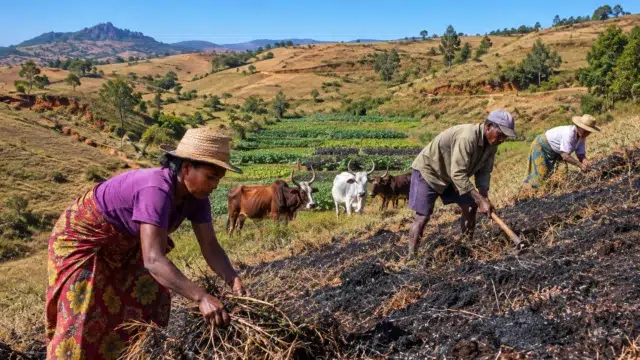
Agriculture is central to Madagascar’s economy and to the livelihoods of many households. Digitalising it therefore means more than introducing technological tools. It also means improving access to advice, markets, climate information and services that are useful to farms.
Madagascar’s Ministry of Agriculture has adopted a digital transformation strategy for 2024-2028. It notably provides for digital platforms and services for the sector. A platform connecting producers with agricultural workers could help farmers recruit as the seasons demand, while making job opportunities more visible. The strategy was published by the Madagascan Ministry of Agriculture.
Jobs linked to these tools would not be limited to software development. Their design and operation could involve agronomists, technicians, data specialists and trainers. Logistics, maintenance and user support also matter. These are plausible avenues given the needs identified in the national strategy, but they do not constitute a confirmed breakdown of the 250,000 jobs announced.
The challenge: turning a projection into accessible work
The scale of the challenge is apparent in World Bank data. Nearly 420,000 people enter the labour market each year. Of young people in employment, 98.9% work in the informal sector. Around 1.5 million young people are not in employment, education or training. These figures appear in a World Bank document on a youth employment and skills project.
In this context, an increase in the number of jobs does not automatically guarantee stable employment or access for young people in the regions. New specialised roles could initially benefit people who already have digital skills and are concentrated in cities, particularly Antananarivo. To spread the benefits more widely, tailored training, local opportunities and pathways for young people who have not continued their education for long will also be needed.
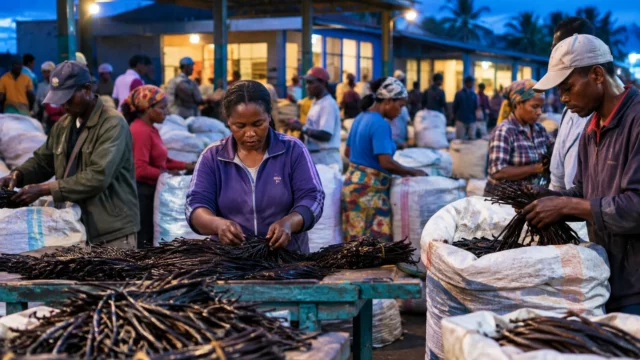
Technology can also improve existing agricultural work without necessarily creating a new job. Information or matchmaking services can reduce the time spent finding a buyer, a worker or technical advice. Their usefulness, however, will depend on how well they are adapted to local languages, farming calendars and producers’ practices, as well as on the trust placed in the platforms.
Network coverage and actual access are not the same
The main obstacle is not simply whether mobile masts are present. According to data cited by the GSMA, mobile broadband covers 66% of the population, but mobile internet penetration stood at just 14.3% in 2025. Around a third of the rural population is thought to remain beyond 4G coverage. In other words, reported coverage does not mean that every producer can connect to and regularly use a digital service.
The price of smartphones, connection quality and access to electricity also weigh on access. The GSMA estimates that only 15% of rural households have electricity. In villages, these constraints can make a platform impractical even where a mobile signal is available. Authorities and operators will therefore need to consider networks, energy, device costs and service quality together.
The GSMA report on Madagascar’s digital economy was presented in Antananarivo in October 2026. According to reports in Madagascan media, the organisation links its recommendations to digital-sector reforms and better access to equipment. These are proposals: their adoption and impact will depend on public decisions, investment and implementation.
A Madagascan challenge with regional significance
Madagascar is an East African country and a member of the Southern African Development Community (SADC), a regional cooperation organisation. The development of digital agricultural services forms part of a wider trend: countries in the region are seeking to connect digital tools with productive economies while narrowing access gaps between urban and rural areas.
The fundamental question for Madagascar will be who captures the value created. If platforms make it easier to recruit, sell and access advice, producers and agricultural workers can benefit directly. But if the tools remain costly, difficult to access or concentrated in urban centres, the gains could be limited to a handful of companies and skilled jobs.
The 2024-2028 agricultural strategy provides an initial framework for moving from announcements to practical services. The next steps to watch are its rollout on the ground, user training and the publication of indicators that distinguish jobs created from jobs better paid and activities simply transferred online. The ambition’s impact will be measured by these results, not by the projection of 250,000 jobs alone.