Algeria
 Egypt
 Libya
 Morocco
 Sudan
 Tunisia
 Benin
 Burkina Faso
 Cabo Verde
 Côte d'Ivoire
 Ghana
 Guinea
 Guinea-Bissau
 Liberia
 Mali
 Mauritania
 Niger
 Nigeria
 Senegal
 Sierra Leone
 The Gambia
 Togo
 Cameroon
 Central African Republic
 Chad
 DR Congo
 Equatorial Guinea
 Gabon
 Republic of the Congo
 São Tomé and Príncipe
 Burundi
 Comoros
 Djibouti
 Eritrea
 Ethiopia
 Kenya
 Malawi
 Mauritius
 Mozambique
 Rwanda
 Seychelles
 Somalia
 South Sudan
 Tanzania
 Uganda
 Angola
 Botswana
 Eswatini
 Lesotho
 Namibia
 South Africa
 Zambia
 Zimbabwe
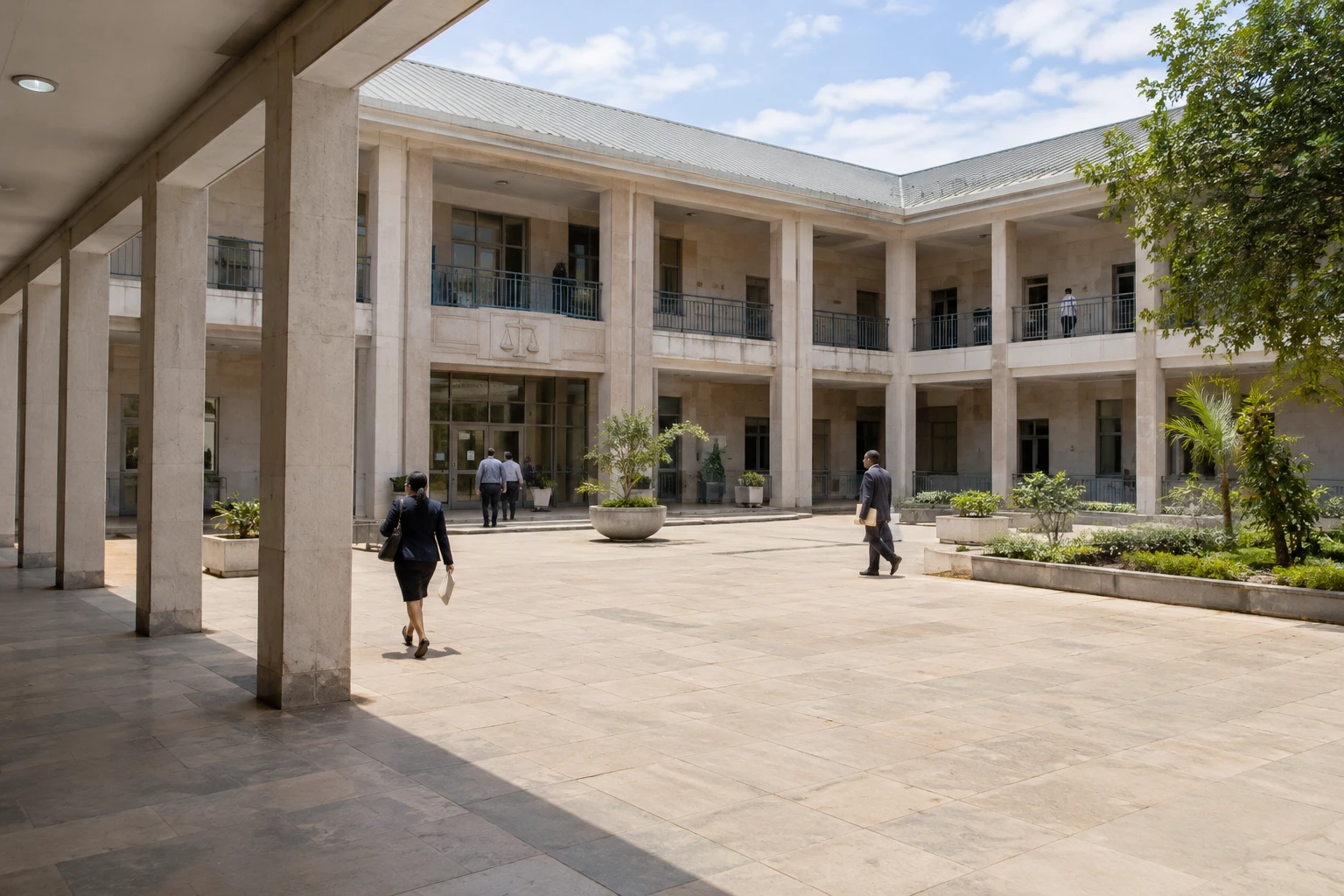
When complaints against former senior officials reach the courts, the stakes go beyond the names cited. In Madagascar, the next step now depends on an institutional question: which court can hear these cases ?
Jurisdiction at issue before the facts are examined
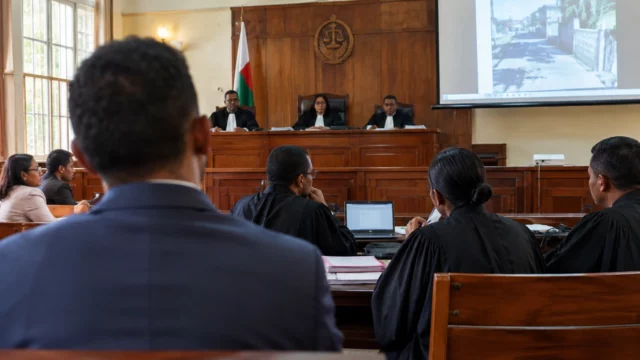
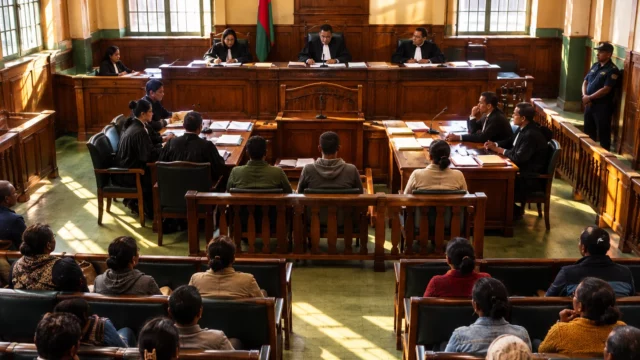
Antananarivo’s Anti-Corruption Pole (PAC) has received several complaints filed by the Directorate of Legislation and Litigation, a government department responsible, among other things, for defending the state’s interests in court. The court referred the cases to the High Constitutional Court (HCC), asking it to determine whether the PAC has jurisdiction to handle them given the status of the people concerned.
The PAC said proceedings had been provisionally suspended while this question was considered. According to reports published by two Malagasy media outlets, the documents were sent to the HCC on 6 October 2026. The ruling expected at this stage will therefore not concern the guilt of the people named, but which court is authorised to continue examining the complaints.
Three sets of allegations have been cited. The first concerns the alleged disappearance of 36 kilograms of gold held at the Ministry of Mines. The case came to light in 2022, with reports also referring to precious stones. The people named in the current case are not identified consistently in the available reports; their names and roles will need to be established from the court documents.
The second case concerns suspected irregularities in public contracts for equipping schools with desk-and-bench sets. Former President Andry Rajoelina, former Prime Minister Christian Ntsay and a former education minister are among those named in media reports. A separate complaint concerns the management of the Malagasy Sovereign Fund and also names former economic officials.
These are allegations contained in complaints. They are neither a court ruling nor proof of guilt. The PAC stresses that the available information does not, at this stage, allow any conclusion to be drawn about the criminal liability of those implicated.
Institutions face a legal test
Established under Malagasy law, the Anti-Corruption Poles are specialised courts dealing with economic and financial offences. Their role is part of a broader system that also includes the Independent Anti-Corruption Bureau and financial intelligence services. The question referred to the HCC concerns how this specialised justice system interacts with the status of former senior officials.
The distinction matters. A ruling on jurisdiction could determine whether proceedings continue before the PAC or must follow another route provided for under Malagasy law. It will not rule on the substance of the allegations. In the meantime, magistrates cannot continue examining the cases concerned as normal.
The judicial timetable comes as Madagascar has announced a new National Anti-Corruption Strategy for 2025-2030. Presented to the National Assembly in July 2025, the official report on the anti-corruption system cited complaints investigated, cases handled by the PAC and assets seized. These indicators describe the institutions’ activities; on their own, they are not enough to establish their independence or the effectiveness of each proceeding.
The contrast between stated ambitions and the provisional halt to politically sensitive cases will draw public attention. For citizens, the stakes are tangible: the management of public resources affects state services, school equipment and trust in institutions. In schools, the consequences of a disputed contract can be measured in equipment available or missing. For public officials and businesses, predictable procurement rules also determine fair access to contracts.
Next steps depend on the HCC ruling
In Antananarivo, the constitutional ruling will be the next milestone to watch. It must clarify the procedural route without prejudging the outcome of the investigations. The complaints can then be examined by the court deemed competent, with the safeguards owed to those concerned and the opportunity to verify the alleged facts.
The implications extend beyond the cases cited. Madagascar belongs to the Southern African Development Community (SADC), a regional organisation whose member states co-operate on issues including governance and stability. The credibility of national accountability mechanisms therefore helps build trust between institutions, citizens and regional partners.
The country already has specialised bodies and an anti-corruption strategy spanning several years. The test now will be their ability to advance cases under clear rules, regardless of the rank of the people named. Until the HCC has ruled and proceedings have established the facts, the accusations remain allegations.
Sources consulted: Malagasy report on complaints referred to the HCC, Madagascar-Tribune analysis of the cases and their legal context, official report on the anti-corruption system and the 2025-2030 strategy, institutional overview of the Anti-Corruption Poles, 2022 report on the reported disappearance of gold at the Ministry of Mines.