Algeria
 Egypt
 Morocco
 Sudan
 Tunisia
 Benin
 Burkina Faso
 Cabo Verde
 Côte d'Ivoire
 Ghana
 Guinea
 Guinea-Bissau
 Liberia
 Mali
 Mauritania
 Niger
 Nigeria
 Senegal
 Sierra Leone
 The Gambia
 Togo
 Cameroon
 Central African Republic
 Chad
 DR Congo
 Equatorial Guinea
 Gabon
 Republic of the Congo
 São Tomé and Príncipe
 Burundi
 Comoros
 Djibouti
 Eritrea
 Ethiopia
 Kenya
 Madagascar
 Malawi
 Mauritius
 Mozambique
 Rwanda
 Seychelles
 Somalia
 South Sudan
 Tanzania
 Uganda
 Angola
 Botswana
 Eswatini
 Lesotho
 Namibia
 South Africa
 Zambia
 Zimbabwe
A battle that reaches beyond Tripoli’s rooftops
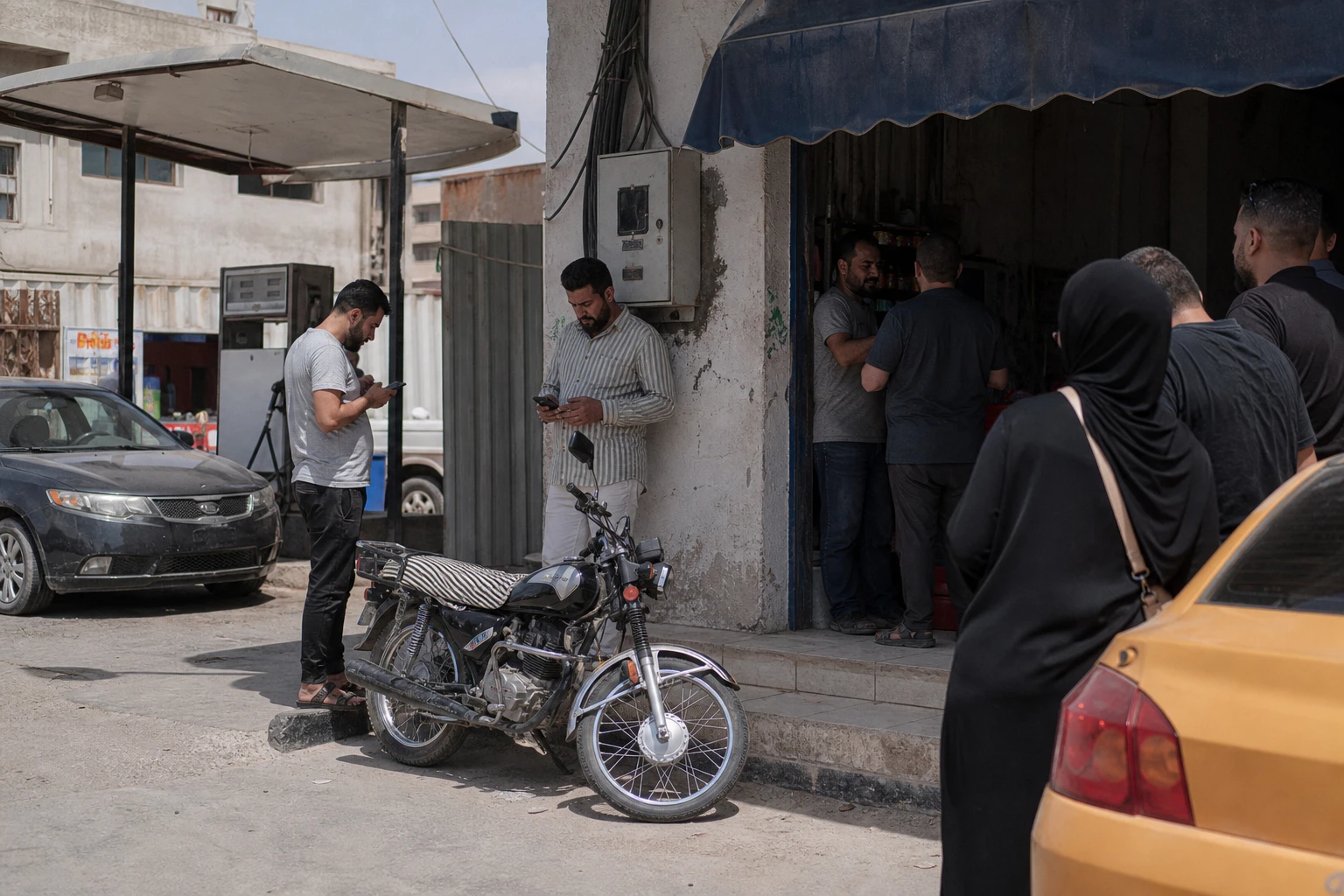
In Libya, a drone does not merely damage an industrial site. It can also disrupt electricity, water and fuel — and, with them, the patience of a population already worn down by repeated outages. In Tripoli and Zawiya alike, attacks on vital infrastructure affect daily life before they touch politics.
The vulnerability is well known. Zawiya, west of the Libyan capital, is home to a strategic energy hub: a refinery, an oil depot, electricity substations and facilities linked to the supply network. In a country where institutions remain divided between the government based in Tripoli and the authorities in the east, the area has become a recurring pressure point over public resources.
What the authorities say they have dismantled
On 6 September 2026, the Government of National Unity, based in Tripoli, announced the arrest of five people, Libyans and foreign nationals, as part of a security and intelligence operation conducted by the Ministry of Defence. According to its statement, the group was linked to a sabotage cell involved in drone attacks on oil storage tanks in Tripoli and Zawiya, as well as on the Zawiya power station. The authorities also said they had foiled further plots targeting the South Tripoli power station and several political, security and military officials. The government did not identify those arrested or specify the nationalities of the foreign nationals involved.
The same sequence of events forms part of a series of incidents that hit western Libya in August. On 11 August, the National Oil Corporation reported explosive-laden drone attacks on facilities in Zawiya, where a fuel tank caught fire. On 12 August, the state electricity company said a substation in southern Zawiya had been set on fire and taken out of service, causing an outage across large areas south of the city. Reuters, the Associated Press and Libyan state media confirmed the damage and outages.
The government has described a “vast conspiracy” against the resources of the Libyan people. Several local organisations and observers, meanwhile, believe the message is also intended to reassure a public exasperated by shortages. Amid social tensions, every power or water failure affects households, hospitals, shops and the informal activities on which a large share of families depend.
Tripoli, Zawiya and the struggle for access to resources
Libya remains governed amid a fragmented institutional landscape. In Tripoli, the Government of National Unity exercises authority over the west. In Benghazi, a rival administration governs the east and part of the south. The UN continues to describe a country riven by rivalries among political actors, armed forces, local groups and networks linked to trafficking. This makes infrastructure harder to protect, especially in areas where the rentier economy, control of transport routes and subsidised fuel fuel competing interests.
Zawiya illustrates this nexus. The city is home to major oil facilities and lies about 40 kilometres from Tripoli. When a depot burns, a substation shuts down or a port area is blocked, disruption spreads quickly. It affects the electricity grid, fuel distribution networks and the supply chain to the capital. In August, protests over outages even spread to Tripoli, Zawiya and Misrata, with roadblocks and the closure of public buildings.
The political dimension is clear. In western Libya, rivalries are not confined to formal institutions. They also run through local armed groups, municipal power balances and parallel economies, particularly fuel trafficking. ACLED notes that Zawiya saw more than 30 armed clashes in 2026, often brief, linked to territorial disputes and the capture of illicit revenues. This perspective helps explain the sabotage allegations: the drone becomes an instrument of disruption, but also a message between factions competing for territory and rents.
The additional means brought into this conflict are not a trivial matter. Reports carried by several media outlets have in recent months pointed to the use of drones manufactured or operated from abroad in the Libyan theatre. This is another sign of the conflict’s discreet internationalisation, already fuelled by repeated violations of the arms embargo. The UN and several independent analyses point out that Libya remains a conduit for weapons, fighters, fuel and military technologies.
What the case means for Libya and the region
In the short term, the priority is straightforward: restore the continuity of services. In Libya, electricity is never a purely technical issue. It determines access to water, cold chains, healthcare, urban life and stability in the informal market. Any attack on a substation or fuel depot therefore triggers a domino effect. It fuels public anger, weakens the government and creates space for competing accounts of responsibility.
In the medium term, the case raises a question of governance. If the announced arrests are confirmed and followed by robust prosecutions, they could show that Tripoli wants to regain control of a fragmented security apparatus. But if proceedings remain opaque, the announcement risks fuelling mistrust, particularly in a country where allegations of the judiciary being used as a political tool are common. The absence of names, publicly available evidence and details about the foreign nationals arrested leaves much still in the dark.
At regional level, Libya remains a warning for North Africa and the neighbouring Sahel. When energy infrastructure becomes a target, domestic security, trade flows and cross-border power dynamics all feel the effects. The Libyan dossier also remains before the United Nations, which is monitoring political progress, the movement of weapons and the protection of civilians. The coming weeks will show whether the events in Zawiya and Tripoli mark a temporary halt or the start of a new phase of pressure on the country’s strategic infrastructure.