Algeria
 Egypt
 Morocco
 Sudan
 Tunisia
 Benin
 Burkina Faso
 Cabo Verde
 Côte d'Ivoire
 Ghana
 Guinea
 Guinea-Bissau
 Liberia
 Mali
 Mauritania
 Niger
 Nigeria
 Senegal
 Sierra Leone
 The Gambia
 Togo
 Cameroon
 Central African Republic
 Chad
 DR Congo
 Equatorial Guinea
 Gabon
 Republic of the Congo
 São Tomé and Príncipe
 Burundi
 Comoros
 Djibouti
 Eritrea
 Ethiopia
 Kenya
 Madagascar
 Malawi
 Mauritius
 Mozambique
 Rwanda
 Seychelles
 Somalia
 South Sudan
 Tanzania
 Uganda
 Angola
 Botswana
 Eswatini
 Lesotho
 Namibia
 South Africa
 Zambia
 Zimbabwe
An oil opening that says much about Tripoli
In Libya, every new oil contract goes beyond the question of crude. It also speaks to the slow attempt to put a still-fragmented state back in order, where energy remains an economic asset, a political instrument and a test of the credibility of national institutions.
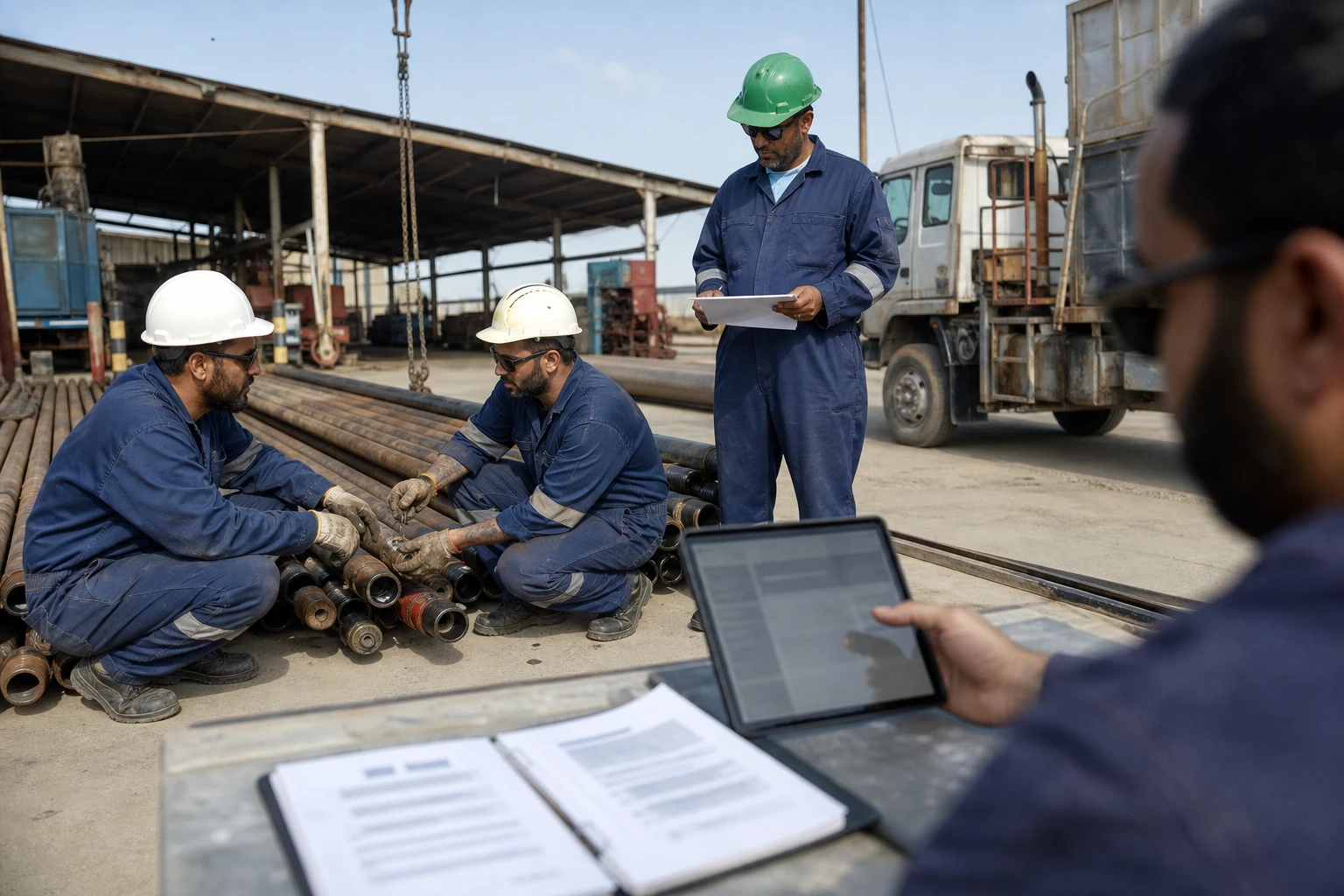
On Monday 24 August, Libya’s National Oil Corporation, the NOC, announced the signing of a production-sharing agreement with Chevron. The agreement concerns a block in the Sirte Basin, in the centre-east of the country, one of the most strategic areas of Libya’s oil industry.
For Tripoli, the goal is clear: to raise national output from about 1.5 million barrels a day towards 2 million barrels a day by 2030, in line with the trajectory set out by the NOC. But that timetable remains dependent on a broader equation: political stability, site security, infrastructure financing and administrative continuity.
A measured return by the majors to a still-divided country
Libya is no ordinary oil frontier. The country has Africa’s largest proven oil reserves, estimated at 48 billion barrels at the beginning of 2024 by the US Energy Information Administration, with most of those reserves concentrated in the Sirte and Murzuq basins. This explains foreign companies’ continued interest, despite political upheavals.
The contract with Chevron forms part of the implementation of the tender round launched in 2025, the first of this scale since 2007. In February 2026, the NOC announced that only five of the 20 blocks on offer had attracted bids. Block S4, awarded to Chevron, was among the few onshore areas selected.
This limited pace is significant. It reflects investors’ caution towards a country where power remains divided among rival institutions, despite mediation efforts by the United Nations. The UNSMIL mission continues to call for the unification of institutions, credible national elections and an end to the prolonged transition.
What the Chevron agreement changes in practice
A production-sharing agreement does not yet mean additional barrels in storage tanks. It first opens a phase of exploration, risk measurement and subsurface assessment. This is standard practice in upstream oil: the company provides capital and technology, then recovers a share of future production if the project succeeds.
For the NOC, the benefits are twofold. On the one hand, it seeks to reassure major operators that Libya can accommodate long-term investment. On the other, it wants to modernise a sector that still relies too heavily on ageing facilities and governance exposed to political and security pressures. The state-owned company says it wants to double production in the medium term, then increase it to 2 to 3 million barrels a day.
But the significance of the agreement should not be overstated. In practice, Libya remains exposed to recurring disruptions: field closures, disputes over revenues, challenges to the balance of power and fragile infrastructure. Production may therefore rise, but it remains vulnerable to the slightest institutional or security crisis.
For Libyans, the stakes go beyond oil revenues alone. If the investments materialise, they could support public revenue, wages, fuel imports and the maintenance of energy networks. If the political framework remains unstable, however, the benefits risk remaining concentrated in the hands of an administrative apparatus under strain, with no lasting effect on the real economy.
A development to watch well beyond Libya
This issue also matters to North Africa and, more broadly, the continent. Libya remains a major oil supplier in Africa and a member of OPEC, and developments in its contracts influence investment flows across the Mediterranean region. In Tripoli, every signature is also a signal to other companies still hesitating to return.
What happens next will depend on the Libyan authorities’ ability to turn an announcement into an operational project. The real test will not be the signing itself, but implementation: securing the Sirte Basin, setting an exploration timetable, ensuring a stable contractual framework and maintaining oil governance recognised by all centres of power.
In a country where oil still finances most of the economy, the question is therefore not only who invests. It is also who decides, who controls and who benefits from the revenues. That is where the real significance of the majors’ gradual return will be decided, in Tripoli and across the rest of the country.