Algeria
 Egypt
 Libya
 Morocco
 Sudan
 Tunisia
 Benin
 Burkina Faso
 Cabo Verde
 Côte d'Ivoire
 Ghana
 Guinea
 Guinea-Bissau
 Liberia
 Mali
 Mauritania
 Niger
 Senegal
 Sierra Leone
 The Gambia
 Togo
 Cameroon
 Central African Republic
 Chad
 DR Congo
 Equatorial Guinea
 Gabon
 Republic of the Congo
 São Tomé and Príncipe
 Burundi
 Comoros
 Djibouti
 Eritrea
 Ethiopia
 Kenya
 Madagascar
 Malawi
 Mauritius
 Mozambique
 Rwanda
 Seychelles
 Somalia
 South Sudan
 Tanzania
 Uganda
 Angola
 Botswana
 Eswatini
 Lesotho
 Namibia
 South Africa
 Zambia
 Zimbabwe
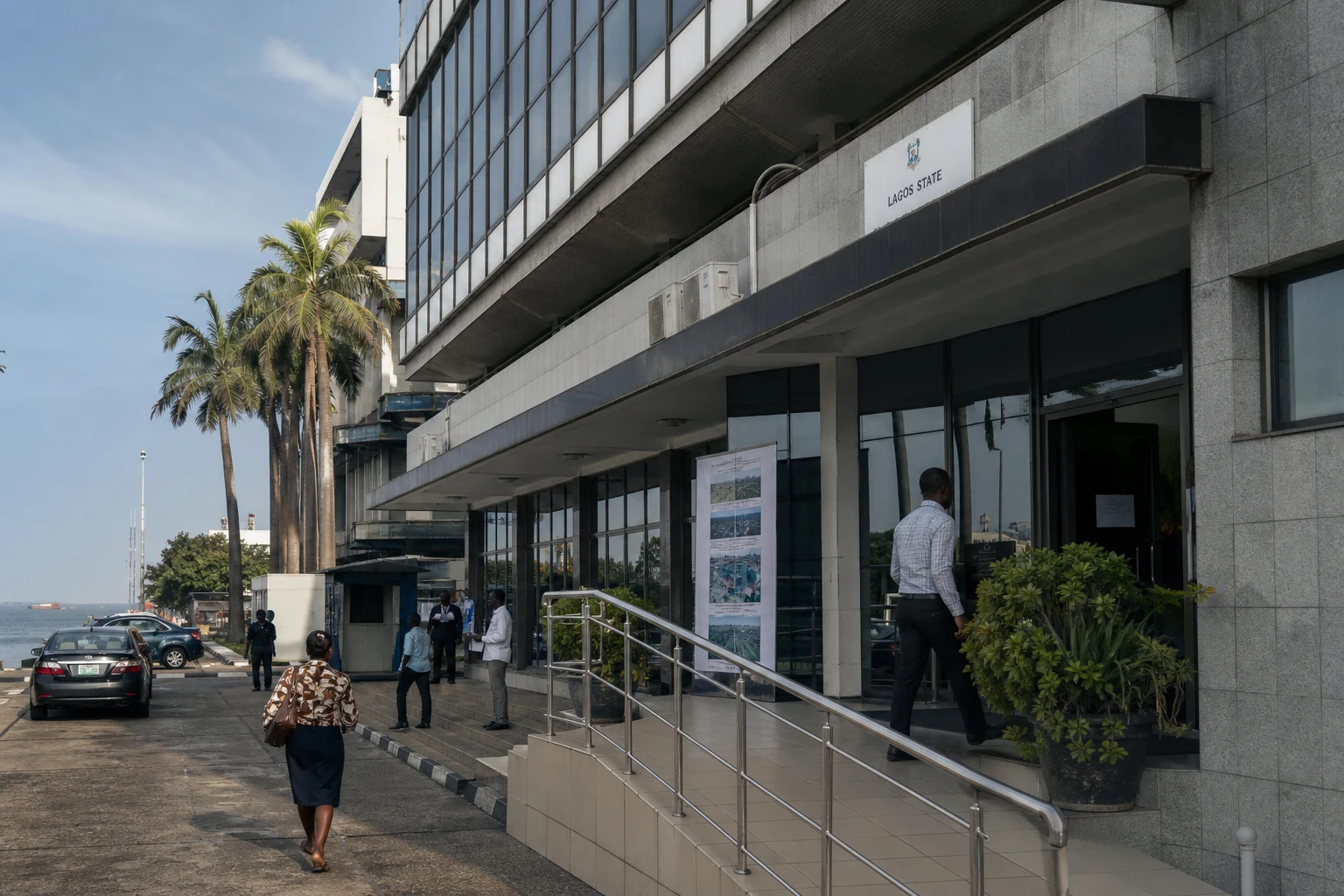
As the coastline becomes a commodity, the city loses some of its breath
In Lagos, the seafront is no longer just a place to relax. It has become contested space, with charges, and sometimes reserved for those who can pay for transport, admission, seat hire and on-site purchases. In a Nigerian city of more than 20 million people, this shift is changing daily life as much as it is reshaping the coastline.
The paradox is simple. Lagos is one of West Africa’s major maritime gateways. Yet an increasing stretch of its coastline now operates as a series of private zones, leased beaches or spaces controlled by commercial operators. This is not just an aesthetic issue. It affects the practical right to access a natural asset in a megacity where heat, traffic jams and urban pressure make the few open spaces especially valuable.
This debate goes beyond a simple weekend outing. It raises a question of what makes a fair city: who benefits from coastal development, and who is excluded? In Lagos, the answer is increasingly written in naira.
A coastline reshaped by tourism, land and public authority
Lagos State is part of a powerful economic dynamic. In 2025, it generated 2.6 trillion naira, or about $1.9bn, in internally generated revenue, according to its commissioner for finance, cited by the Associated Press. The 16 per cent increase on 2024 shows the financial capacity of Nigeria’s leading economic state. It also sheds light on the choice of a form of governance focused on maximising the value of urban and coastal assets.
National policy also matters. Since the new federal minimum wage came into force, Nigeria’s minimum wage has been 77,000 naira a month, or about $56, according to the AP. In this context, a day at the beach in Lagos can absorb a significant share of a low-paid worker’s monthly income. A family outing thus becomes discretionary spending, not an ordinary use of public space.
Lagos’s beaches are not all managed in the same way. The AP describes a system in which access fees range from about 2,000 to 60,000 naira, depending on the location and services, with additional costs for seats, food, drinks and water sports. This shows that the issue is not just an entrance fee. An entire consumer ecosystem has taken hold along the shore.
The Lagos government also launched an initiative in 2025 to regulate and formally register beach operators, in conjunction with the state’s ministries of tourism and justice. This confirms that the coastline is now subject to tighter administrative and economic regulation. It may improve safety and organisation. But it could also strengthen the drive to commercialise the shore if public access is not protected at the same time.
What residents lose, and what operators gain
For residents, the issue is first and foremost social. Lagos’s beaches offer an escape from a dense, noisy and often congested city. When access becomes expensive, the right to breathe by the water turns into a privilege. Low-income households, which make up the majority of the informal economy, are hit first. They rarely have the budget to cover transport, admission and spending on the same day.
For private operators, the logic is different. The coastline attracts customers willing to pay for services, comfort and a sense of security. Entrepreneurs in the sector say investment is substantial and seasonal, which they argue justifies high prices. This view is not unreasonable. But it does not address another requirement: the public interest. A natural space cannot be managed like an ordinary leisure business.
That is the heart of the problem: Lagos is growing fast, but its coastline is closing off even faster. The AP says most of the state’s 180 kilometres of coast is being privatised, either by the administration or by families claiming ancestral rights to certain areas. This reshaping of land ownership is turning a common asset into a profitable one. It reinforces the image of a city geared towards investment, major construction projects and upmarket residences. But it also narrows the freedom of ordinary city-dwellers.
The impact varies by area. In affluent neighbourhoods and leisure districts, privatisation supports a services economy. In outlying and poorer areas, it deepens a sense of exclusion. Across Nigeria, a federal country where states enjoy real budgetary autonomy, the case of Lagos illustrates a recurring tension: how can urbanisation be financed without taking away popular uses of the city?
A local issue, but a West African signal
Residents often compare Lagos with other West African coastal capitals and cities. The contrast is striking. In several cities in the region, beaches remain more accessible, sometimes with no formal entrance barrier. In Lagos, by contrast, a trip to the Atlantic shore is increasingly associated with a ticket, a service and then a bill. The difference is fuelling a regional debate about managing waterfronts, the role of private operators and citizens’ access to natural spaces.
For ECOWAS, which brings together West African states, these issues also concern the quality of urban life and the mobility of the region’s middle classes. Lagos is not just a national metropolis. It is a West African economic and cultural crossroads. Decisions made there influence urban models across the subregion, especially as the drive to make land profitable gains ground.
The next point to watch is not a mere symbolic event. It is how Lagos State will balance revenue, development and the right of access. As long as beaches remain, for the most part, paid-access spaces, the city will continue to generate value. But it will do so at the cost of another divide: between residents who can pay to reach the shore and those who have almost lost that right.