Algeria
 Egypt
 Libya
 Morocco
 Sudan
 Tunisia
 Benin
 Burkina Faso
 Cabo Verde
 Ghana
 Guinea
 Guinea-Bissau
 Liberia
 Mali
 Mauritania
 Niger
 Nigeria
 Senegal
 Sierra Leone
 The Gambia
 Togo
 Cameroon
 Central African Republic
 Chad
 DR Congo
 Equatorial Guinea
 Gabon
 Republic of the Congo
 São Tomé and Príncipe
 Burundi
 Comoros
 Djibouti
 Eritrea
 Ethiopia
 Kenya
 Madagascar
 Malawi
 Mauritius
 Mozambique
 Rwanda
 Seychelles
 Somalia
 South Sudan
 Tanzania
 Uganda
 Angola
 Botswana
 Eswatini
 Lesotho
 Namibia
 South Africa
 Zambia
 Zimbabwe
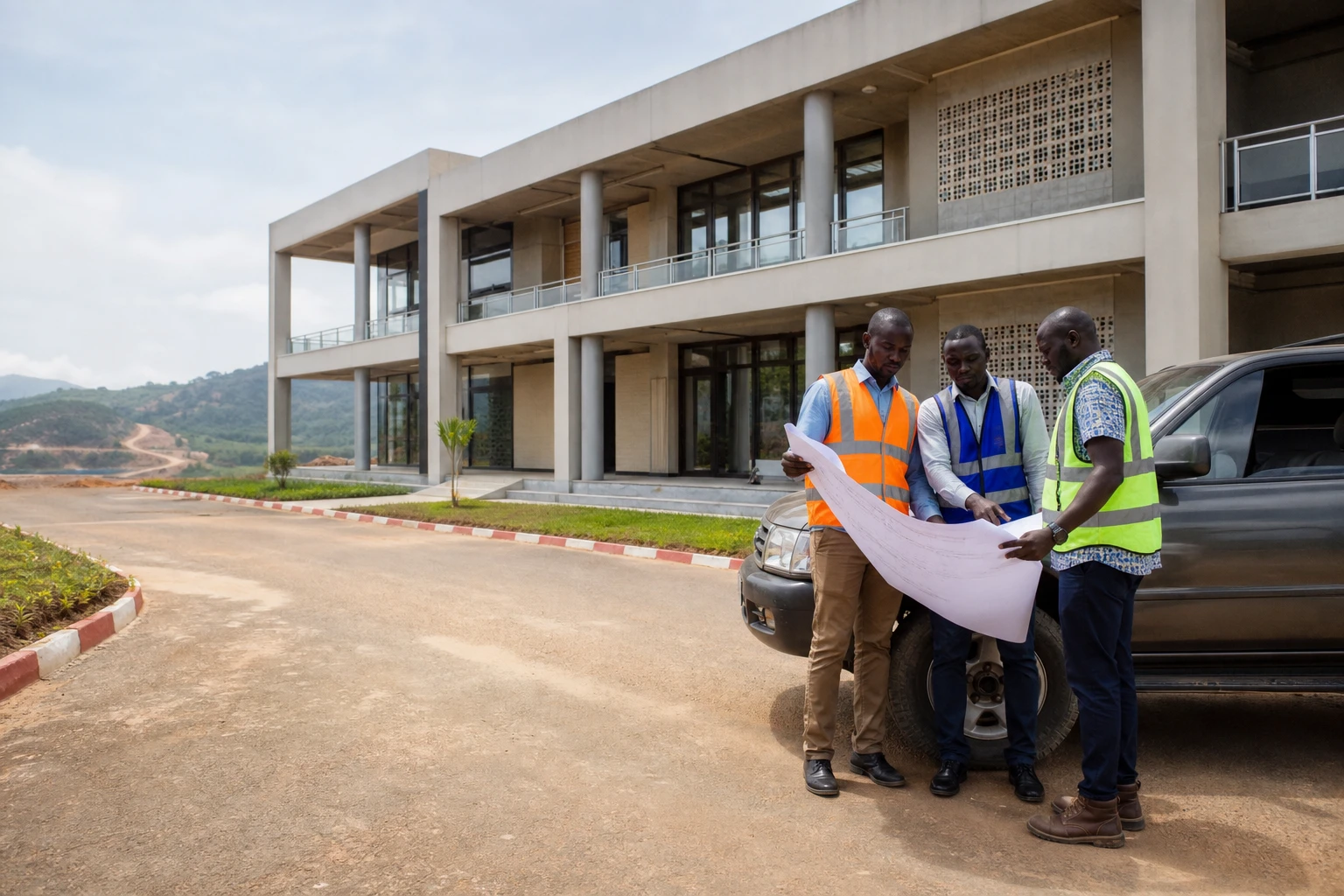
In north-western Côte d’Ivoire, the Koné mine has moved from construction to production. For the state, local authorities and neighbouring communities, the challenge starts now: turning underground wealth into lasting revenue, skilled jobs and useful infrastructure.
Production begins sooner than expected
Canadian group Montage Gold achieved its first gold pour on 26 September 2026, in the Woroba District. The milestone comes around 20 months after construction began in December 2024.
The company says it has processed more than 400,000 tonnes of ore since feeding began to the circuit dedicated to oxidised ore on 8 September. The first pour is said to have produced around 1,140 ounces of gold, or nearly 35.5 kilograms. These figures come from company communications and have been reported by several media outlets, including the Ivorian press.
Commercial production is nevertheless expected to ramp up gradually. The circuit designed for hard ore is still under development. Montage Gold is targeting full operations during the 2027 financial year, with a stated capacity above initial forecasts.
At Mining Forum Americas 2026, chief executive Martino De Ciccio cited annual production of between 350,000 and 400,000 ounces during the first ten years. The updated 2024 feasibility study had until now projected an average of around 301,000 ounces a year. This new ambition will still need to be confirmed by the site’s technical and industrial results.
A project that raises the stakes for Côte d’Ivoire’s mining sector
The Koné project is located in the Worodougou region, on the Batogo-Fadiadougou road between the departments of Kani and Dianra. At the groundbreaking ceremony, the Ivorian government presented it as the country’s first major mining project and one of West Africa’s largest gold projects.
For several years, Côte d’Ivoire has sought to diversify an economy still heavily reliant on agriculture, particularly cocoa. Gold now plays an increasingly important role in this strategy. National production rose from 25 tonnes in 2015 to 58 tonnes in 2024, according to figures cited in several analyses of the sector.
Koné is therefore entering a regional landscape marked by the expansion of gold mining, as well as regulatory and political changes. Côte d’Ivoire is a member of ECOWAS, the organisation bringing together several West African countries. It presents itself as a more stable environment for mining investors than some neighbouring markets facing rapid revisions to their mining codes or significant political instability.
This attractiveness does not, in itself, guarantee an equitable distribution of the value created. Rather, it means the authorities must closely monitor the project’s fiscal, social and environmental commitments.
Public revenue tied to the price of gold
The Ivorian state holds 10% of the operating company, while Montage Gold holds 90%. This public stake could enable Côte d’Ivoire to receive dividends when the mine makes a profit and those profits are distributed.
Public revenue will also come from taxes and mining levies. The feasibility study published in 2024 included a 25% profit tax and a royalty calculated according to the gold sale price. It estimated cumulative government royalties of around $330 million over 16 years of operation.
This amount is not guaranteed revenue. It depends on actual production volumes, the price of gold, operating costs, any extensions to the deposit and the applicable tax regime.
Taxation has changed since that estimate was made. Côte d’Ivoire’s 2025 tax annex increased the ad valorem tax rates on gold. When the sale price reaches or exceeds $2,000 an ounce, the rate can rise to 8%, up from 6% under the previous scale. The Directorate General of Taxes says the change also applies to mining agreements already in force. The official bulletin of the Directorate General of Taxes sets out the reform.
Higher gold prices could therefore increase public revenue. They also leave Côte d’Ivoire’s budget more exposed to fluctuations in the global market. Koné’s financial performance will need to be assessed over several years, rather than on the basis of its first pour alone.
Jobs, but above all a local-content challenge
The mine is expected to create more than 1,000 direct jobs during operations, according to estimates released when the project was launched. Construction employed several thousand workers, with the authorities and company saying that a significant proportion were local.
The number of jobs will not be enough to measure Koné’s impact. The central question will be local content: the ability of Ivorian businesses to supply equipment and provide transport, maintenance, catering, security or training services.
Ivorian law also provides for a contribution to local mining development. A portion of turnover must fund projects for the communities concerned. For the Koné project, initial projections pointed to several tens of millions of dollars over the mine’s initial lifespan, while the government announced nearly 19.8 billion CFA francs for socio-economic and community infrastructure.
In rural areas, the tangible impact will depend on transparent disbursements and the choice of projects. Access to water, healthcare, education, rural roads and electricity will matter more to daily life than the sums announced in financial documents.
The next test will be the long term
Koné strengthens Côte d’Ivoire’s ambitions in gold. It could support public revenue, boost local suppliers and increase economic activity in Woroba. It could also contribute to the national goal of joining Africa’s leading producers.
But the project’s success will be measured by other indicators: compliance with environmental commitments, worker safety, compensation for affected people, access to contracts for Ivorian businesses and regular disclosure of payments made to the state.
The next milestone will be the ramp-up of commercial production in 2027. The authorities will also need to clarify how the national mining framework will evolve, as a reform of the Mining Code is expected. Côte d’Ivoire’s challenge is therefore no longer simply to produce more gold. It is to ensure that this production strengthens the national economy and the areas hosting the mine over the long term.