Algeria
 Egypt
 Libya
 Morocco
 Sudan
 Tunisia
 Benin
 Burkina Faso
 Cabo Verde
 Côte d'Ivoire
 Ghana
 Guinea
 Guinea-Bissau
 Liberia
 Mali
 Mauritania
 Niger
 Nigeria
 Senegal
 Sierra Leone
 The Gambia
 Togo
 Cameroon
 Central African Republic
 Chad
 DR Congo
 Equatorial Guinea
 Gabon
 Republic of the Congo
 São Tomé and Príncipe
 Burundi
 Comoros
 Djibouti
 Eritrea
 Ethiopia
 Madagascar
 Malawi
 Mauritius
 Mozambique
 Rwanda
 Seychelles
 Somalia
 South Sudan
 Tanzania
 Uganda
 Angola
 Botswana
 Eswatini
 Lesotho
 Namibia
 South Africa
 Zambia
 Zimbabwe
Where park boundaries meet farmland
In southern Kenya, the deaths of large animals are never just a wildlife story. They also speak to pressure from farming, the proximity of villages and the fragility of a landscape where livestock rearing, agriculture and conservation intersect every day. At Amboseli, that tension took a brutal form: 15 elephants were found dead over a period of about a month, according to Kenyan authorities. Initial tests pointed to the presence of cyanide.
Amboseli National Park is in Kajiado County, near the Tanzanian border. The Kenya Wildlife Service describes it as one of Africa’s most iconic sites for viewing large herds of elephants, with Mount Kilimanjaro in the background. Its tourist reputation also rests on long-running scientific monitoring and elephant protection work in the Amboseli ecosystem.
What the preliminary investigation says
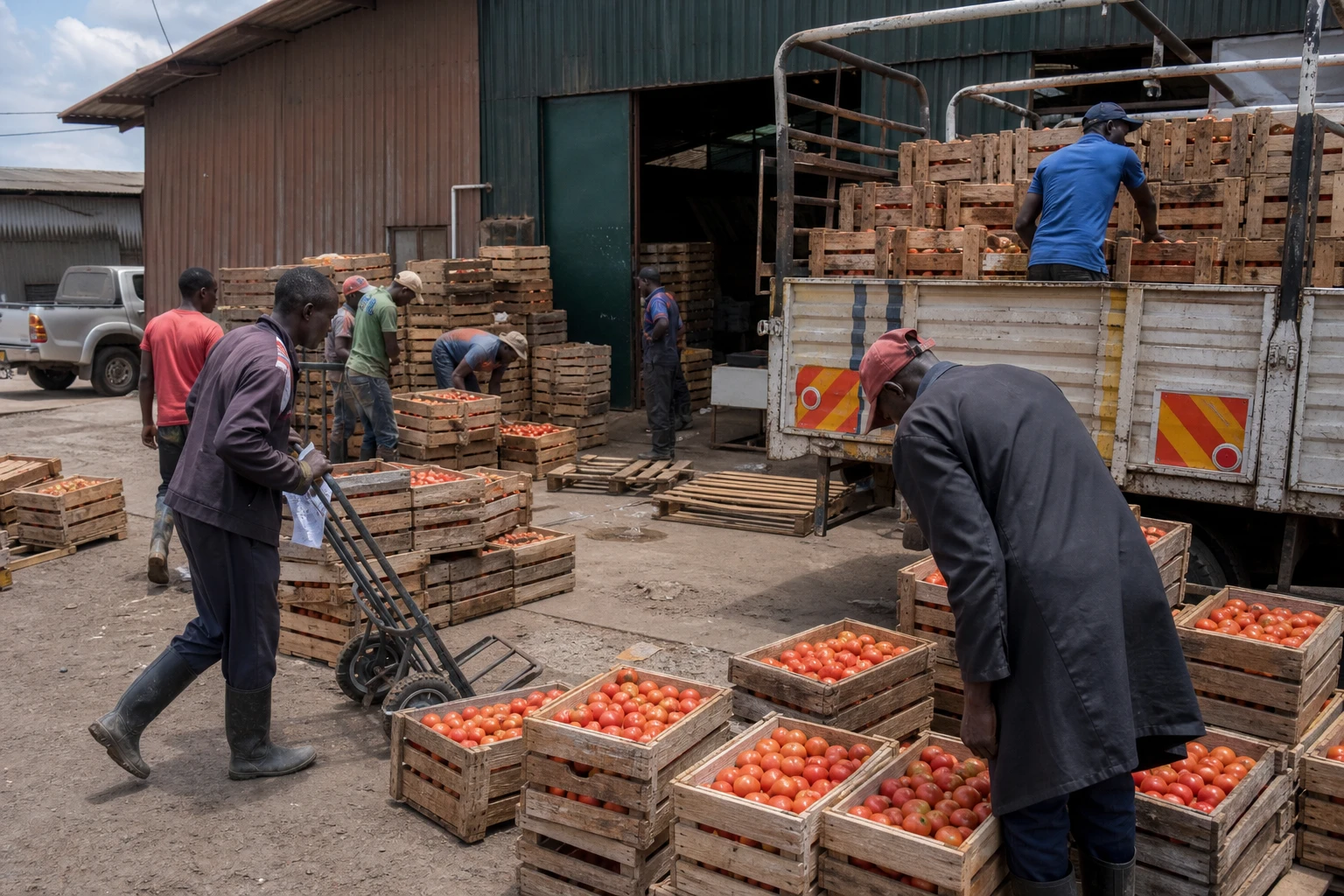
Initial findings indicate that the animals may have ingested cyanide after eating tomatoes contaminated with highly potent pesticides on farms bordering the park. Erustus Kanga, director-general of the Kenya Wildlife Service, told the press that preliminary analyses had detected cyanide. The agency’s spokesperson, Duncan Wanyama, said the toxin had affected the elephants’ lungs and liver.
Investigators have yet to determine whether the poisoning was accidental or deliberate. They did, however, find tomatoes in the stomachs of several animals from the same herd, strengthening the theory that they came into contact with nearby crops. One elephant is believed to have died on the farm where the tomatoes were growing. Others managed to reach a waterhole before dying a few days later, despite veterinary treatment.
Some of the 15 reported carcasses were too badly decomposed or had already been scavenged to allow a full analysis. The investigation remains open. Authorities are also seeking to establish whether other farmers in the area use the same chemicals.
A symptom of the difficult coexistence between farmland and wildlife
The case highlights a long-standing problem in Kenya: coexistence between rural communities and large wildlife. In the south of the country, elephants often move beyond protected areas in search of water or food. Vegetable crops, particularly tomatoes, then create a direct point of contact between households’ economic needs and wildlife corridors. The Kenya Wildlife Service acknowledges that protecting species depends as much on monitoring the park as on managing neighbouring areas.
The incident has an immediate impact on residents of Kajiado County. For farmers, the risk is twofold: losing crops if elephants return, then facing suspicion or penalties if toxic products have been used. Conservation teams face a different challenge. They must investigate quickly, prevent further deaths and ensure that a response on the ground does not turn into a cycle of reprisals. Nature Kenya has previously documented awareness-raising initiatives in the Amboseli area on the use of poison against wildlife, working with the Kenya Wildlife Service and community groups.
The case also matters to the local economy. Amboseli attracts visitors with its elephant herds and open landscape facing Kilimanjaro. Unusual mortality therefore affects biodiversity, the park’s image and some of the income generated by tourism. In this region, conservation is not an abstract issue. It affects jobs, movement, household incomes and trust between the state, communities and tourism operators.
A warning that extends beyond Kenya
Across East Africa, the case is a reminder that a national park does not exist in isolation. Kenya is part of a region where animals, people and agricultural activity are constantly on the move, from the Amboseli plains to pastoral and border areas. In this context, tackling poaching is not enough. Pesticides must also be regulated, local dialogue strengthened, and veterinary and judicial responses improved. For years, Kenyan authorities have worked with conservation partners to monitor elephants, including through GPS collaring and tracking systems.
The stakes are broader still for the continent. Kenya has often been held up as one of the African countries where elephant conservation has produced visible results, with populations rising in several protected areas, according to the Kenya Wildlife Service. An incident such as the one at Amboseli nevertheless shows how vulnerable this progress remains when agricultural, chemical and land pressures intensify around natural sanctuaries. The question is therefore not just how to save one herd. It is how to protect ecological corridors over the long term in an area where population growth and land values are rising rapidly.
What happens next will depend on laboratory results, the identification of the products used and the measures taken around the farms concerned. It will also show whether Kenya treats the case as an isolated incident or as a warning about managing buffer zones around its major parks. At Amboseli, the test is not only ecological. It is institutional, economic and social.