Algeria
 Egypt
 Libya
 Morocco
 Sudan
 Tunisia
 Benin
 Burkina Faso
 Cabo Verde
 Côte d'Ivoire
 Ghana
 Guinea
 Guinea-Bissau
 Liberia
 Mali
 Mauritania
 Niger
 Nigeria
 Senegal
 Sierra Leone
 The Gambia
 Togo
 Cameroon
 Central African Republic
 Chad
 DR Congo
 Equatorial Guinea
 Gabon
 Republic of the Congo
 São Tomé and Príncipe
 Burundi
 Comoros
 Djibouti
 Eritrea
 Ethiopia
 Kenya
 Madagascar
 Malawi
 Mauritius
 Mozambique
 Rwanda
 Seychelles
 Somalia
 South Sudan
 Uganda
 Angola
 Botswana
 Eswatini
 Lesotho
 Namibia
 South Africa
 Zambia
 Zimbabwe
A strategic deposit as Tanzania seeks greater influence
In Dodoma, the Kabanga project goes beyond mining alone. It touches on economic sovereignty, Tanzania’s place in critical-minerals value chains and its ability to impose terms on powerful partners. Nickel, copper and cobalt are no longer discussed solely in terms of extraction; they have become bargaining chips in the global energy transition.
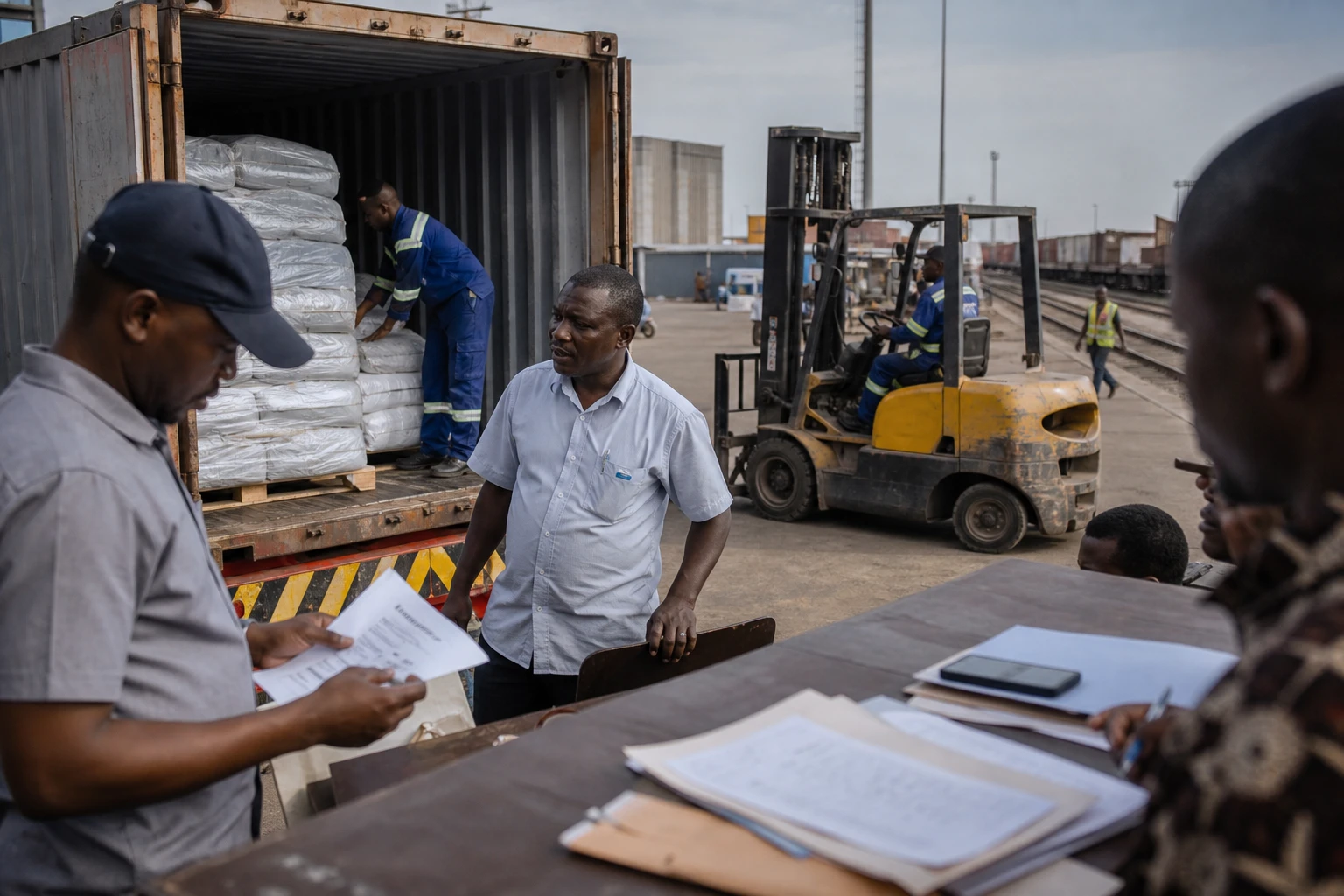
The project is located in north-western Tanzania, in a region that already looks towards East African markets and the sub-region’s logistics corridors. Tanzania is a member of the East African Community, headquartered in Arusha, and this regional integration matters for mineral exports, infrastructure and local industrialisation. In this context, Kabanga is not an isolated asset: it is a test of Tanzania’s strategy of processing minerals locally rather than simply exporting raw ore.
The core of the project comes down to a few figures. Its ownership structure gives 84% to Lifezone Metals and 16% to the Tanzanian state, in the form of a non-dilutable stake. This arrangement was set out in the framework agreement signed in January 2021, then consolidated by the special mining licence issued in October 2021. Since then, the two parties have continued discussions on an amendment to the agreement, with a joint financial model and the sharing of tax benefits still to be defined.
The project remains ambitious. Lifezone puts construction costs at $942 million and presents Kabanga as a deposit capable of producing 902,000 tonnes of nickel, 134,000 tonnes of copper and 69,000 tonnes of cobalt over 18 years. The feasibility study also projects revenue of $14.1 billion over the mine’s lifetime. These figures explain investors’ interest, but also the Tanzanian state’s caution as it seeks to secure its share of the added value.
Washington, financing and the battle over timing
The American dimension of the project has grown stronger over recent months. The U.S. International Development Finance Corporation has signed a letter of interest for a loan linked to the project and begun due diligence on political risk insurance. It also published environmental and social documents on Kabanga in 2025, a sign that it is following the project closely. At the same time, Lifezone says it has continued talks with Tanzanian officials and the US embassy to advance the financing package.
This American presence is part of a broader competition over critical minerals. It does not mean that Dodoma is automatically aligning itself with Washington. It mainly shows that Tanzania has a sought-after asset, and therefore room to negotiate. The project is attracting interest because it could supply strategic uses, particularly batteries and some industrial equipment, while offering an integrated production route through to the refinery.
The timetable, however, has slipped. Lifezone now says it expects a final investment decision in the first quarter of 2027, whereas it had previously targeted 2026. The company attributes the delay to slow discussions over the amendment to the framework agreement and the financial formula. In other words, the project is moving forward, but at the pace of political and banking negotiations, not just the pace of work underground.
For Tanzania, the stakes are tangible. A project of this scale could create jobs, stimulate local services, support public revenue and strengthen the prospect of industrialisation rooted in the country. But it also requires guarantees on taxation, energy, logistics and the value chain. The balance of power is therefore shaped by the promise of substantial revenue, the drive for local added value and international financiers’ demands for profitability and regulatory stability to be secured.
The Kabanga project also resonates beyond Tanzania. In East Africa, it is a reminder that strategic minerals are no longer a matter for national-level decisions alone, but are part of the geopolitics of corridors, refineries and access to capital. Across Africa, it raises a simple question: who captures the value of a critical resource when extraction, processing and financing are spread across several countries and competing interests? Tanzania’s answer will say much about African states’ ability to transform their resources without surrendering their bargaining power.