Algeria
 Egypt
 Libya
 Morocco
 Sudan
 Tunisia
 Benin
 Burkina Faso
 Cabo Verde
 Ghana
 Guinea
 Guinea-Bissau
 Liberia
 Mali
 Mauritania
 Niger
 Nigeria
 Senegal
 Sierra Leone
 The Gambia
 Togo
 Cameroon
 Central African Republic
 Chad
 DR Congo
 Equatorial Guinea
 Gabon
 Republic of the Congo
 São Tomé and Príncipe
 Burundi
 Comoros
 Djibouti
 Eritrea
 Ethiopia
 Kenya
 Madagascar
 Malawi
 Mauritius
 Mozambique
 Rwanda
 Seychelles
 Somalia
 South Sudan
 Tanzania
 Uganda
 Angola
 Botswana
 Eswatini
 Lesotho
 Namibia
 South Africa
 Zambia
 Zimbabwe
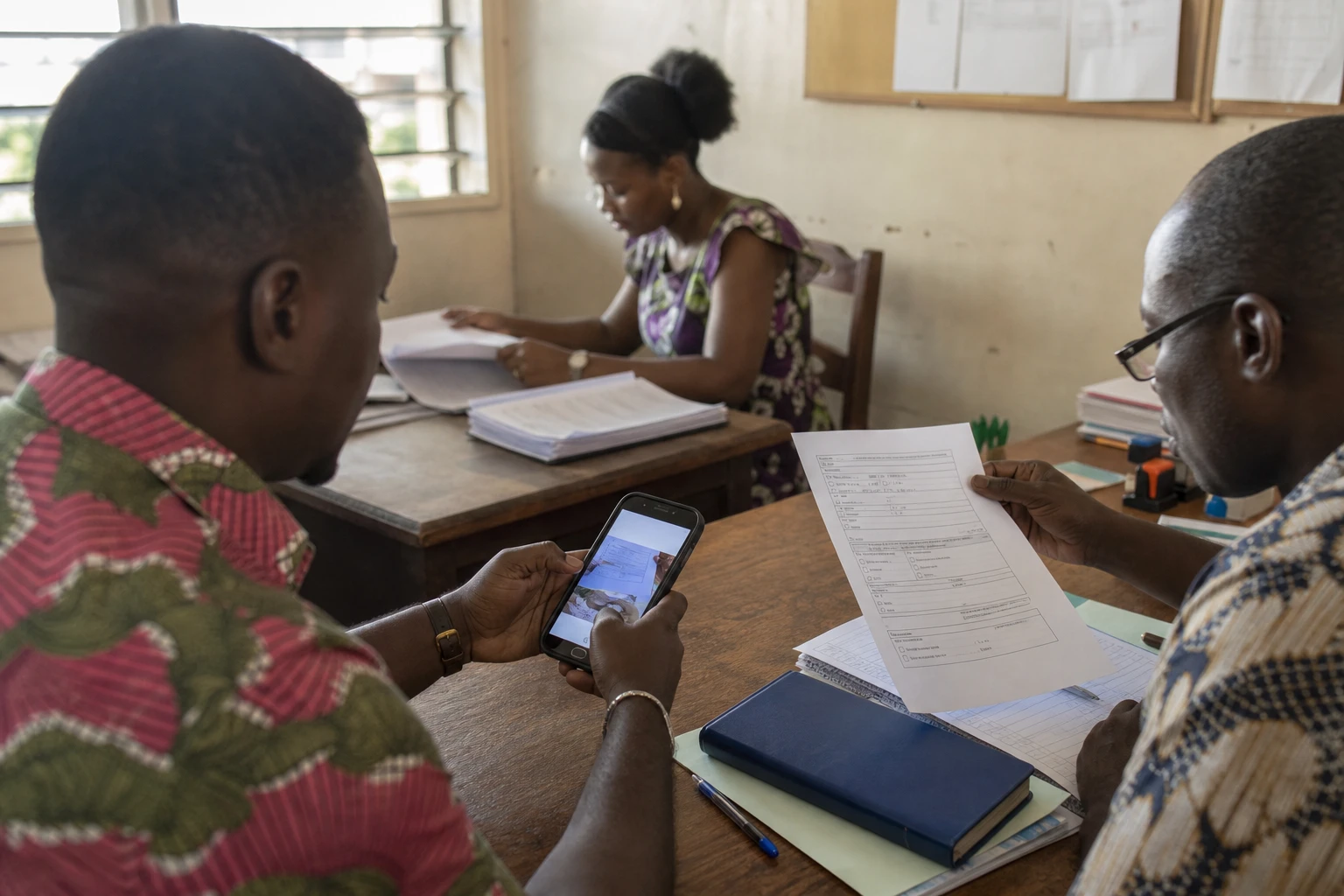
In a classroom, an image may seem harmless. Yet when it shows an identifiable child, publishing it can take it far beyond the school environment. In Ivory Coast, the Ministry of National Education, Literacy and Technical Education is reminding teachers and school staff that pupils’ image rights cannot be set aside in the name of communication or social media.
A rule for everyone in the school system
In a notice dated Tuesday 22 September 2026, the Ivorian ministry asked school staff not to photograph or film pupils for public distribution without the necessary permissions. The measure applies in particular to social media posts, as well as content shared in groups or used for personal purposes.
The reminder applies to teachers, educators, supervisors and, more broadly, people working in primary and secondary schools. The principle is simple: an image that makes a minor identifiable does not become free to use because it was taken in a school playground or during an educational activity.
The ministry emphasises the need for prior consent from parents or legal guardians. The authorisation must make clear how the image is intended to be used. Permission for a photograph to appear in an internal document does not therefore automatically constitute consent to publish it on TikTok, Facebook or another platform.
The Directorate for Supervision and School Life also stresses that capturing, using and distributing images of pupils for personal purposes or on social media must comply with the required permissions. The ministry’s reminder on pupils’ image rights is part of this effort to protect them.
Protecting pupils in a lasting digital space
A school post can have effects a teacher did not anticipate. A scene filmed in class may be copied, taken out of context or commented on by strangers. It may also remain accessible long after it has been deleted from the account that posted it.
The risk is not limited to a formal infringement of image rights. A video showing a pupil in difficulty, at play or taking part in an activity that is misunderstood may fuel mockery, bullying or stigmatisation. For a minor, such exposure can affect school life, family relationships and self-esteem.
The rapid spread of digital technology is making vigilance more challenging. Phones make it possible to film, edit and publish within seconds. In schools, this ease of use can blur the line between showcasing school life and exposing children to an audience that cannot be controlled.
The Ivorian government is already running awareness-raising initiatives on responsible social media use. With the Platform for Combating Cybercrime, known by the acronym PLCC, the authorities organise sessions for pupils and school staff, among others. These initiatives cover digital risks, available remedies and everyone’s responsibilities. Ivorian awareness campaigns in schools show that the issue goes beyond discipline alone.
Guidance also aimed at new teachers
The ministry does not describe the practice as a phenomenon for which precise figures are available. It is, however, addressing young teachers and staff at the start of their careers. The aim is to remind them of professional rules before habits of posting become established.
This approach raises an important question for training. Future teachers need to learn how to use digital tools, but also how to distinguish an educational activity from public communication. Filming a workshop to keep a record for teaching purposes is not subject to the same rules as posting a child’s face on a personal account.
In schools in cities and regions alike, responsibility does not rest solely with the teacher holding the phone. School management must clarify procedures. Parents must know when an image is being captured and for what purpose. Pupils, too, need to be taught how to protect their digital identities.
This approach is particularly necessary in an education system seeking to expand its workforce and skills. Ivory Coast is recruiting and training new teachers, particularly in science subjects. The profession must therefore incorporate rules on personal data alongside lesson preparation, professional ethics and pupil protection.
The law requires consequences to be weighed
Ivory Coast has legislation governing cybercrime and the protection of personal data. An image may constitute data that makes a person identifiable. Its use must therefore be assessed in light of its content, how it is distributed, the intention behind it and any harm caused.
Penalties cited in official reminders may vary according to the offences established. In some cases, the authorities refer to prison sentences of between one and ten years and fines of up to 10 million CFA francs. These figures do not mean that every school photograph automatically carries a penalty of this severity. They relate to different legal classifications, which investigators and courts must assess on a case-by-case basis.
This distinction is essential. Protecting children should not mean issuing general threats without explaining the rules. Instead, it should encourage verifiable practices: obtain written consent, limit the number of people shown, avoid information that could reveal a child’s location and promptly delete any content posted by mistake.
An issue extending beyond Ivorian schools
In Yamoussoukro and Abidjan alike, the issue is part of a broader transformation of schooling. Social media is now used to inform families, showcase projects and celebrate pupils’ achievements. But this communication must remain compatible with minors’ rights.
Ivory Coast is not alone in facing this challenge. Across West Africa, where digital content travels quickly across borders, a video posted locally can be watched anywhere. Protecting pupils therefore calls for consistent practices among schools, families and platforms.
The next step will be to see how this reminder is incorporated into training and internal regulations. The issue is not simply about banning cameras. It is about building a school digital culture that protects children, respects families and enables Ivorian schools to communicate without turning their pupils into public content.