Algeria
 Egypt
 Libya
 Morocco
 Sudan
 Tunisia
 Benin
 Burkina Faso
 Cabo Verde
 Ghana
 Guinea
 Guinea-Bissau
 Liberia
 Mali
 Mauritania
 Niger
 Nigeria
 Senegal
 Sierra Leone
 The Gambia
 Togo
 Cameroon
 Central African Republic
 Chad
 DR Congo
 Equatorial Guinea
 Gabon
 Republic of the Congo
 São Tomé and Príncipe
 Burundi
 Comoros
 Djibouti
 Eritrea
 Ethiopia
 Kenya
 Madagascar
 Malawi
 Mauritius
 Mozambique
 Rwanda
 Seychelles
 Somalia
 South Sudan
 Tanzania
 Uganda
 Angola
 Botswana
 Eswatini
 Lesotho
 Namibia
 South Africa
 Zambia
 Zimbabwe
As land degrades, farms, water and incomes are put at risk
In several regions of Côte d’Ivoire, the same scene keeps recurring: a plot of land turned over, a murky watercourse, agricultural land carved away. These traces point to more than a public-order problem. They put direct pressure on harvests, drinking water, village health and local economies. It is this link between soil, survival and sovereignty that Côte d’Ivoire sought to bring to the podium at COP17 on desertification in Ulaanbaatar, Mongolia.
The Conference of the Parties to the United Nations Convention to Combat Desertification is being held from 17 to 28 August 2026, bringing states together around an issue that has become central: restoring land, strengthening resilience to drought and preserving agropastoral systems. The UN says about 40% of the planet’s land is already degraded, with direct effects on food security and access to water.
Abidjan makes illegal gold mining a continental issue
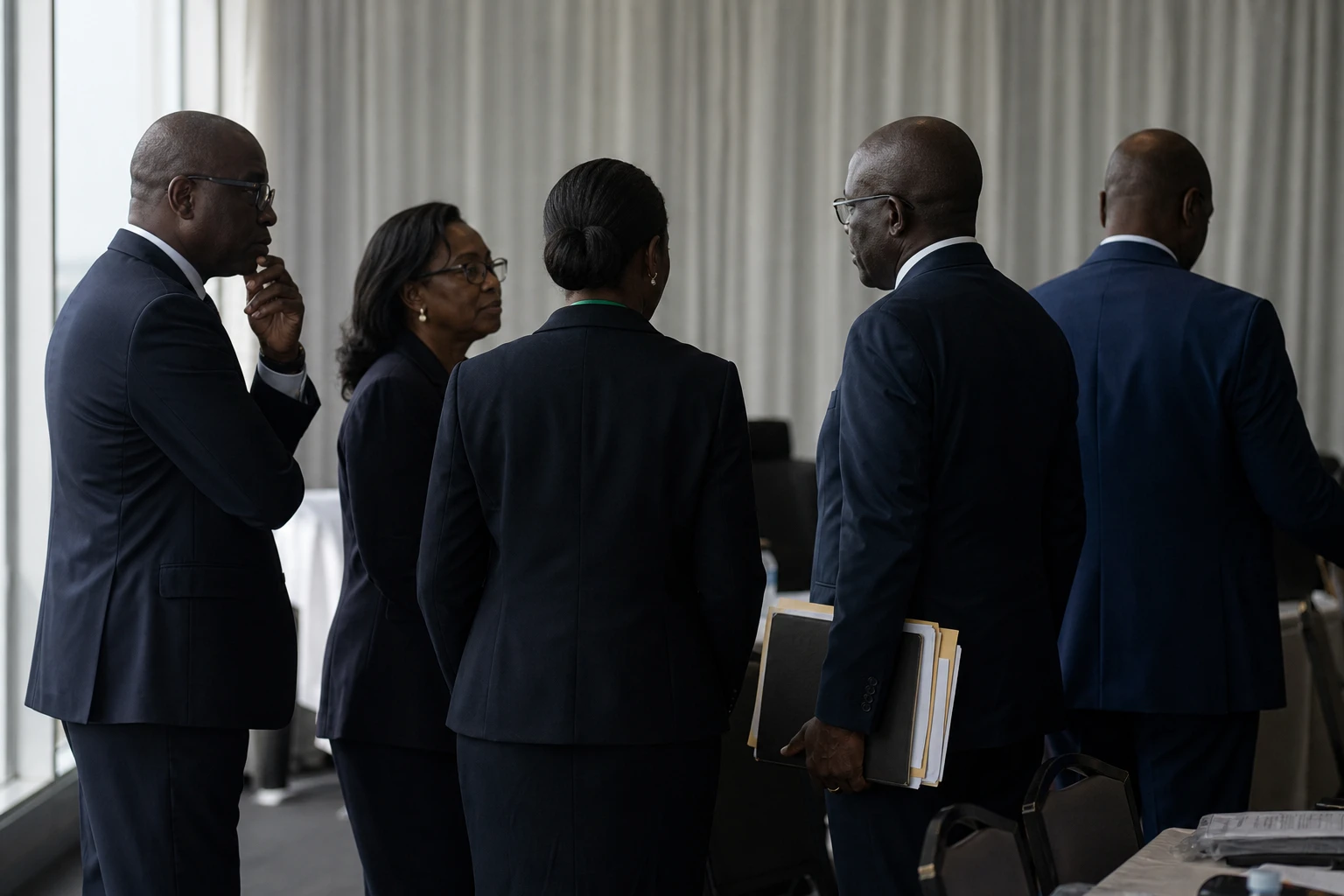
In Ulaanbaatar, the Ivorian delegation chose not to speak only about soil restoration in general. It highlighted illegal gold mining, which Abou Bamba described as a major threat to African land. The Ivorian Minister of the Environment and Ecological Transition, appointed in January 2026, put forward an initiative for an African coalition against illegal mining and land degradation.
This choice is not symbolic. In Côte d’Ivoire, the authorities say they now have a strengthened legal, institutional and operational arsenal. They cite in particular the Brigade for the Suppression of Mining Code Offences and the Special Unit to Combat Illegal Gold Mining. The government also says that 29 of the country’s 31 regions are affected by the phenomenon. This figure should be read as an administrative estimate, but it shows the scale of the challenge.
Since the beginning of 2026, the Ivorian executive has stepped up field operations and awareness campaigns. In Tiapoum, on the lagoon front, the government linked illegal gold mining to water contamination and the indiscriminate filling-in of some bodies of water. In Daoukro, it launched the programme to rehabilitate degraded land. In Séguéla, it also sought to mobilise local communities.
An economic issue, but also a social and security concern
Abidjan’s interest in internationalising the issue is clear. Illegal gold mining does not only destroy soil. It also weakens agricultural supply chains, reduces the area of cultivable land and fuels parallel economies that are difficult to control. In several regions, the authorities also cite insecurity, land disputes and pressure on communities living along waterways.
Côte d’Ivoire is not alone in facing this problem. Across Africa, illegal mining follows the same patterns: rapid extraction, little traceability, water pollution, deforestation and loss of public revenue. A regional approach is therefore needed. In West Africa, illicit gold routes often cross borders. They go beyond mining alone and affect governance, territorial control and cooperation among ECOWAS states, the Economic Community of West African States.
In this context, Côte d’Ivoire’s strategy also aims to shift the focus of the debate. Rather than reducing illegal gold mining to a policing matter, Abidjan presents it as a land degradation problem, and therefore a development issue. This shift matters because it connects the environment with agriculture, public finances and local stability.
What Côte d’Ivoire hopes to achieve across Africa
The African coalition announced by Côte d’Ivoire aims to make illegal mining a collective continental priority. The idea is simple: a country can close a site on its own, but it is harder to curb networks that adapt, move and shift location. A coordinated response can better link prevention, traceability, site restoration and the sharing of experience between states.
This approach aligns with wider debates in African environmental diplomacy. At the African Union, the fight against land degradation, drought and unregulated extractive activities is now part of discussions on food security, rural jobs and climate resilience. In other words, the aim is no longer only to protect the environment, but also to protect the material foundations of growth.
For Côte d’Ivoire, this is also a political moment. The country is seeking to show that it can put forward a concrete proposal at a time when Africa is calling for more resources to restore its land. What happens next will depend on the ability to turn this announcement into a lasting mechanism: regional cooperation, funding, monitoring of degraded sites and community participation. That is where the focus will shift, from the international podium to the ground in Côte d’Ivoire.