Algeria
 Egypt
 Libya
 Morocco
 Sudan
 Tunisia
 Benin
 Burkina Faso
 Cabo Verde
 Ghana
 Guinea
 Guinea-Bissau
 Liberia
 Mali
 Mauritania
 Niger
 Nigeria
 Senegal
 Sierra Leone
 The Gambia
 Togo
 Cameroon
 Central African Republic
 Chad
 DR Congo
 Equatorial Guinea
 Gabon
 Republic of the Congo
 São Tomé and Príncipe
 Burundi
 Comoros
 Djibouti
 Eritrea
 Ethiopia
 Kenya
 Madagascar
 Malawi
 Mauritius
 Mozambique
 Rwanda
 Seychelles
 Somalia
 South Sudan
 Tanzania
 Uganda
 Angola
 Botswana
 Eswatini
 Lesotho
 Namibia
 South Africa
 Zambia
 Zimbabwe
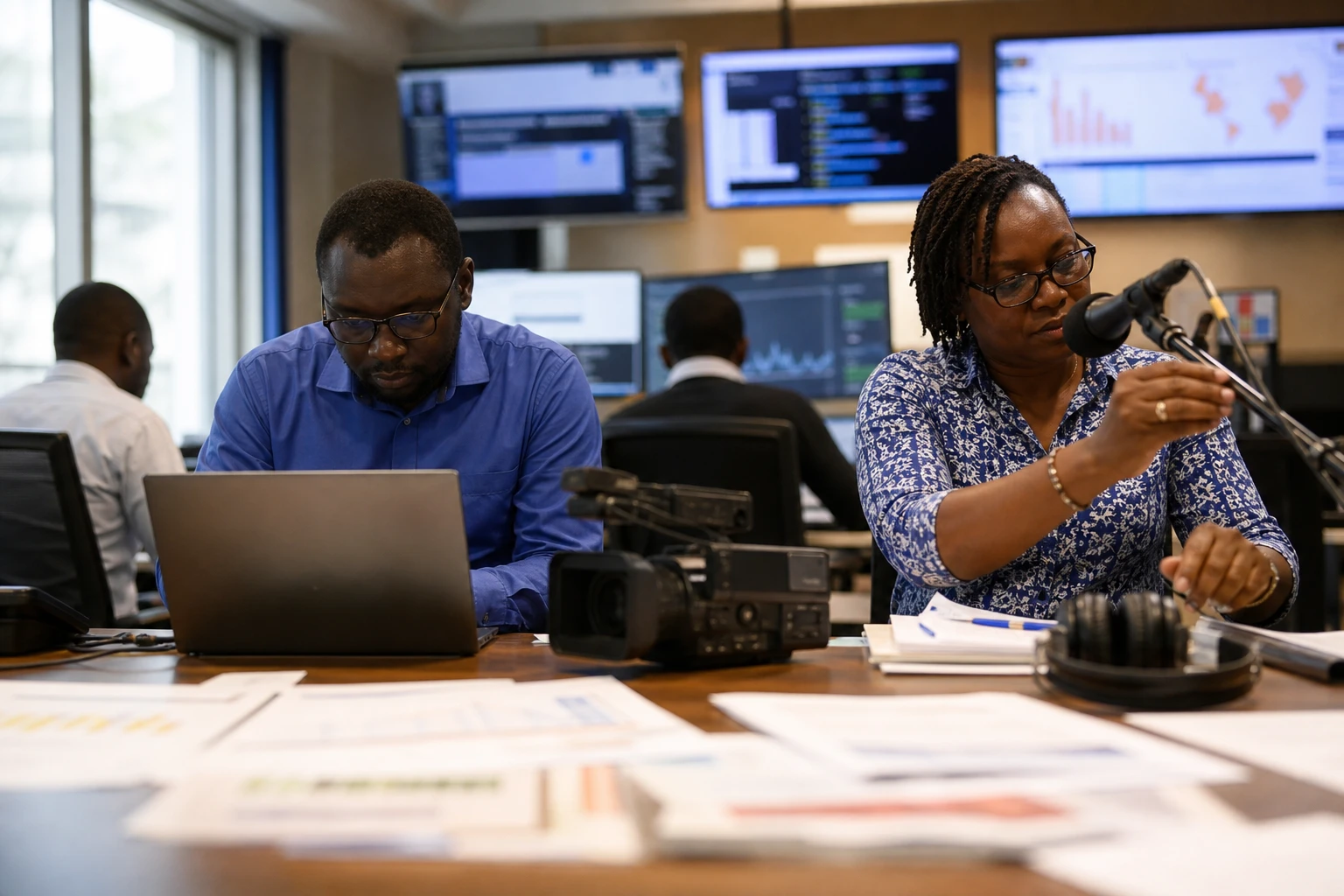
Ivorian cotton is still seeking a second life
Côte d’Ivoire produces cotton. But the real battle is being fought elsewhere: in factories, spinning mills, weaving lines and garment-making plants. As long as the fibre is mostly exported raw, the country exports volume and imports too much added value. Abidjan wants to correct this imbalance by joining forces with an industrial partner already at the top of the global textile sector.
The signal came from Shanghai on Tuesday 25 August 2026, on the sidelines of InterTextile Shanghai 2026. The Côte d’Ivoire Investment Promotion Centre confirmed the signing of an agreement between the Cotton, Cashew and Shea Council and the textile sub-committee of the China Council for the Promotion of International Trade. The agreement aims to promote investment, technology transfers, training and capacity-building in cotton, textiles and clothing.
An industrial project embedded in national strategy
This rapprochement has not come out of nowhere. Côte d’Ivoire has made local processing a priority of its agricultural and industrial policy. In communications in 2024 and 2025, the government again reaffirmed its intention to increase the added value of the cotton and cashew sectors. In 2025, it also extended the regulatory framework to the shea sector, signalling that the executive wants to treat these crops as industrial foundations, not merely export products.
The country is also part of a broader trajectory. The 2021-2025 National Development Plan had already set a target of processing 40% of cotton lint by 2025. In practice, recent public documents show that the move up the value chain remains incomplete. CEPICI still notes in 2026 that more than 90% of Ivorian cotton is exported raw, mainly to Asia.
Côte d’Ivoire is not alone in this race. Cotton remains a major West African issue, involving Benin, Mali, Burkina Faso and Côte d’Ivoire. In the sub-region, ECOWAS has for several years promoted the integration of industrial value chains, but each country is still seeking to retain a larger share of processing at home. Textiles are therefore becoming a test of economic sovereignty as much as an industrial undertaking.
What China really brings: capital, machinery and expertise
The choice of China is no mere detail. Beijing dominates global textile and clothing exports, with a value chain spanning spinning, weaving, dyeing, garment-making and even the manufacture of industrial equipment. The WTO says that in 2022 China had a domestic content share of 89.1% in its textile and clothing exports, evidence of a highly integrated industrial fabric.
For Abidjan, the point is not simply to attract money. It is also to acquire industrial know-how. In the textile sector, financing matters, but it is not enough. Machinery, trained operators, reliable logistics, energy, quality standards and markets are all needed. This is where a partnership with Chinese actors could accelerate Côte d’Ivoire’s learning curve.
The country already has a foundation. Public policy documents cite installed capacity of 26,000 tonnes a year at spinning and weaving plants, as well as a combined capacity of 35 million metres of fabric a year at two finishing companies. But these figures still describe a production base that is limited in relation to the country’s agricultural potential.
The central challenge remains turning seed cotton into sustainable industrial activity. The 2020-2021 season reached a record of nearly 560,000 tonnes of seed cotton, but the sector has largely continued to operate as an export industry. Recent figures published by the government show production rising, without this automatically translating into large-scale industrialisation.
Different effects for the state, producers and communities
For the Ivorian state, the goal is clear: retain more value in the country, broaden the industrial base and create jobs that are more stable than those generated by simply exporting fibre. Textiles can also support other segments, from agricultural inputs and logistics to packaging, industrial maintenance and distribution.
For producers, the benefits are not automatic. A textile factory does not, by itself, change the price paid at the farm gate. However, if local demand for fibre increases, purchases are better organised and the industrial chain develops close to production areas, some of the value could remain in the northern cotton-growing regions. This gives the project a regional dimension that extends beyond Abidjan and its industrial zones.
For small towns and rural communities, textiles could also open up another path. A more complete value chain creates demand for sorters, technicians, seamstresses and tailors, logistics workers and maintenance staff. It could strengthen formal activity while also providing better structure for a network of workshops and subcontractors that already exists in the informal economy. But energy, industrial land and training will have to keep pace.
The key issue is time. Agreements announced abroad set a direction, but they do not guarantee a factory, a first order or a job. Abidjan’s challenge will therefore be to avoid a showcase effect. It will have to turn diplomatic intent into an industrial timetable, with identified operators, clear financing arrangements and production sites ready to receive equipment.
A development to watch across Africa
This Ivorian initiative goes beyond Côte d’Ivoire alone. It is part of a trend visible across the continent: several countries want to move beyond the model of “producing here, processing elsewhere”. Cotton has become a symbol of this shift because it links agriculture, industry, urban employment and regional competitiveness. In theory, the African Continental Free Trade Area offers a broader market for textile value chains based in Africa.
The political timetable also matters. In Abidjan, the government has included local processing among its priorities for 2026-2030. In West Africa, ECOWAS remains the natural framework for considering the movement of inputs, the complementary roles of factories and a shared move up the value chain. If Côte d’Ivoire can turn this partnership into productive activity, it could become a regional anchor rather than a mere exporter of raw materials.
The project will therefore be judged by concrete action: project announcements, the location of plants, the level of financing, staff training and the actual pace of cotton-lint processing. Only then will the agreement signed in Shanghai count in the history of Ivorian industry.