Algeria
 Egypt
 Libya
 Sudan
 Tunisia
 Benin
 Burkina Faso
 Cabo Verde
 Côte d'Ivoire
 Ghana
 Guinea
 Guinea-Bissau
 Liberia
 Mali
 Mauritania
 Niger
 Nigeria
 Senegal
 Sierra Leone
 The Gambia
 Togo
 Cameroon
 Central African Republic
 Chad
 DR Congo
 Equatorial Guinea
 Gabon
 Republic of the Congo
 São Tomé and Príncipe
 Burundi
 Comoros
 Djibouti
 Eritrea
 Ethiopia
 Kenya
 Madagascar
 Malawi
 Mauritius
 Mozambique
 Rwanda
 Seychelles
 Somalia
 South Sudan
 Tanzania
 Uganda
 Angola
 Botswana
 Eswatini
 Lesotho
 Namibia
 South Africa
 Zambia
 Zimbabwe
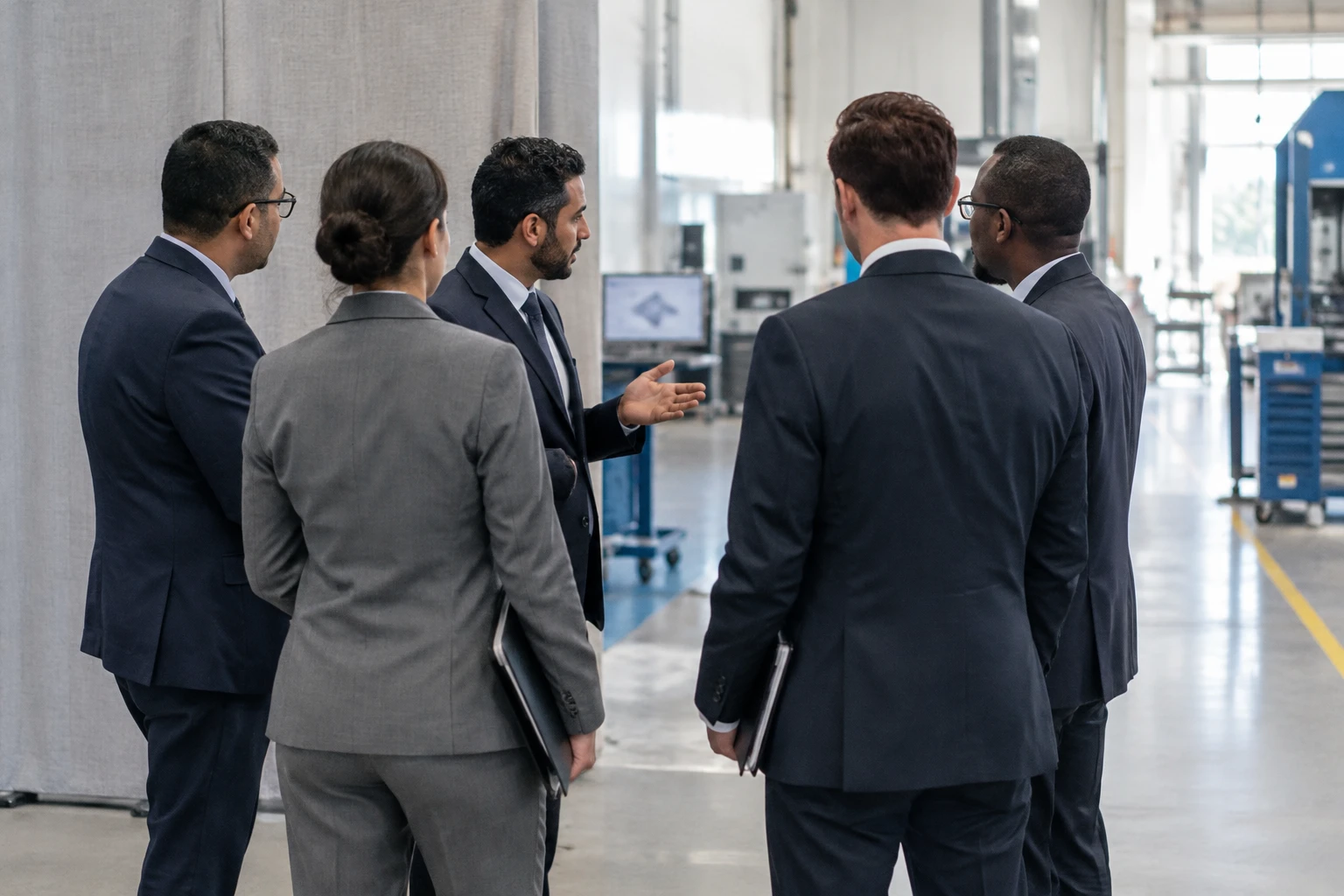
An announced plant is not yet a built plant. In Tangier, Hangyu Technology’s project could add high-precision forging to Moroccan industry, but several steps remain before the first piece of equipment is installed.
A project redirected to Tangier
The Chinese group’s board decided on 8 October 2026 to move to Morocco an industrial investment initially planned for Slovakia. The maximum announced investment remains €105 million. The proposed site is in Mohammed VI Tangier Tech City, near Tangier.
Hangyu attributes the change to additional administrative procedures in Slovakia, which it says prolonged the review of the file and made the timetable uncertain. This is the company’s explanation. On its own, it does not allow one to conclude that investment in the country is generally being blocked.
The group plans to carry out the project through a Moroccan company provisionally called Atlas Advanced Materials. The plant would manufacture forged parts from difficult-to-work metals, notably for aircraft engines, turbines and some energy-sector equipment. Hangyu counts international industrial companies among its clients, but no supply contract from the future Tangier site has been announced.
The project is still being prepared. The group says it has signed a letter of intent concerning the land, but has not completed its definitive acquisition. The Moroccan subsidiary has not yet been registered, and the necessary authorisations, in Morocco and China, are still to be obtained. The announced amount is therefore an investment ceiling, not spending that has already taken place.
An industrial link to be built
The choice of Tangier comes as Morocco’s already established aerospace sector continues to develop. In July 2026, Morocco’s official portal reported more than 155 companies, over 25,000 jobs and nearly $3 billion in exports. It also put the local integration rate at 42%—the share of value produced in the country within the industrial chain.
This industrial base covers a range of activities: precision machining, assembly, wiring, composite materials, maintenance and engineering. Technical training is part of the ecosystem, notably through the Institute for Aeronautical Trades. These capabilities matter to manufacturers, which must check the quality, traceability and compliance of parts intended for aircraft.
Forging highly stressed components could complement this chain if the group brings the project to fruition and obtains the necessary qualifications. A plant in Morocco does not automatically become a supplier to an engine manufacturer: each site and process must meet the requirements of the relevant clients and programmes.
For Tangier and the surrounding region, the issue is therefore the depth of the benefits, not just the headline investment figure. Jobs, purchases from Moroccan subcontractors and training will depend on the site’s actual size and its pace of expansion. At this stage, Hangyu has not provided a verified figure for the number of jobs expected in Morocco.
Tangier Tech City in an outward-looking strategy
Mohammed VI Tangier Tech City is part of Morocco’s strategy to attract export-oriented industrial activities. Proximity to Europe, port infrastructure and Morocco’s trade agreements with several partners are advantages. But preferential access to a market guarantees neither a plant’s competitiveness nor the local origin of its components: trade rules and production criteria remain decisive.
The project also illustrates the diversification of economic ties between Morocco and China beyond trade in goods. Competition between territories to attract production units goes hand in hand with corporate decisions based on timelines, costs, skills and market access. In this case, Hangyu has given its reason for moving the project to Morocco; only its actual completion will show what it means for industry.
At regional level, additional activity in Tangier could strengthen North African capabilities in an industry organised around international supply chains. This does not mean the plant will automatically serve African markets: target clients, volumes and production destinations have not been specified. For the African Union, the broader issue is local processing and the place of African companies in technology value chains.
Next steps to watch
The project will now hinge on concrete steps: company registration, land acquisition, a building permit, investment authorisations and a construction timetable. Hangyu says financing will come from its own resources and funds mobilised by the group. The pace of payments will depend on the project’s progress.
Two checks will be particularly important: confirmation of the industrial specifications for the Moroccan site, and announcements on jobs or local partnerships. The parameters envisaged for the former Slovak project cannot be applied to Tangier without confirmation. Morocco has a growing aerospace sector; the question now is whether this announcement will translate into new, lasting capacity connected to the country’s skills.
For sector data and updates on the project, consult Morocco’s official aerospace-sector indicators, Hangyu Technology’s notice on the change of site and outstanding risks and reports published in Morocco on the project’s preparatory status.