Algeria
 Egypt
 Libya
 Morocco
 Sudan
 Tunisia
 Benin
 Burkina Faso
 Cabo Verde
 Côte d'Ivoire
 Ghana
 Guinea-Bissau
 Liberia
 Mali
 Mauritania
 Niger
 Nigeria
 Senegal
 Sierra Leone
 The Gambia
 Togo
 Cameroon
 Central African Republic
 Chad
 DR Congo
 Equatorial Guinea
 Gabon
 Republic of the Congo
 São Tomé and Príncipe
 Burundi
 Comoros
 Djibouti
 Eritrea
 Ethiopia
 Kenya
 Madagascar
 Malawi
 Mauritius
 Mozambique
 Rwanda
 Seychelles
 Somalia
 South Sudan
 Tanzania
 Uganda
 Angola
 Botswana
 Eswatini
 Lesotho
 Namibia
 South Africa
 Zambia
 Zimbabwe
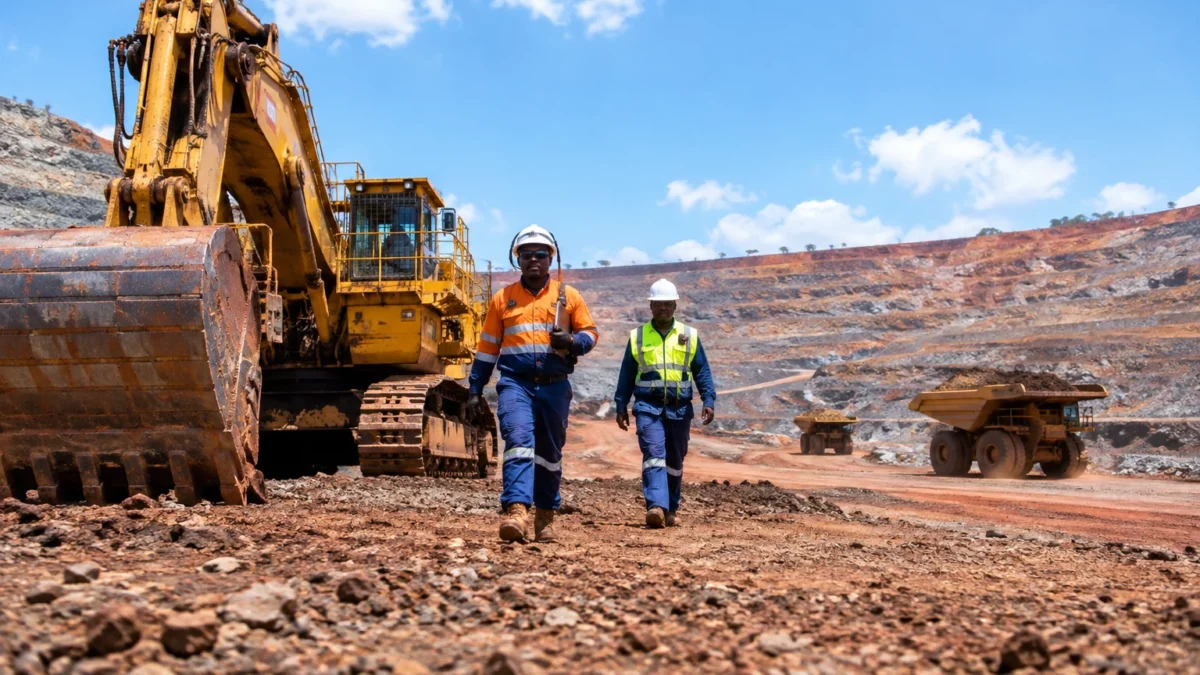
A mining windfall can fund roads, schools and businesses. It can also make public finances dependent on unpredictable global prices. In Guinea, the new Sovereign Fund must address both challenges: converting part of mining revenues into investment and savings, without confusing announced wealth with money already available.
Simandou at the heart of an economic choice
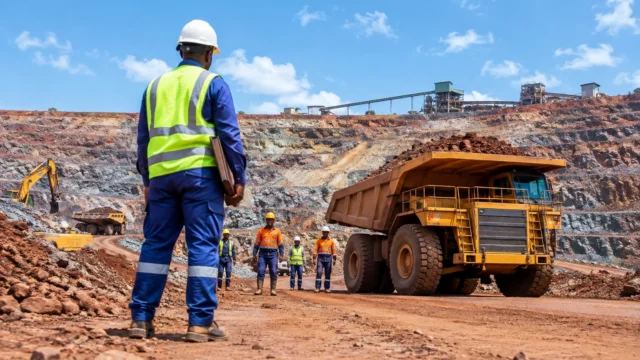
The Simandou iron ore deposit in the country’s south-east is central to Guinea’s economic ambitions. The project combines mining with transport and export infrastructure. Its future revenues could increase state resources, but their scale and timing will depend on production, prices and the revenues actually collected.
This issue extends beyond national borders. Guinea is a member of the Economic Community of West African States (ECOWAS), a regional organisation whose countries face, to varying degrees, the challenge of turning natural resources into sustainable development. The management of mining revenues also affects budgetary balances, public investment and relations between the state, companies and producing areas.
The fund is part of a broader debate about the governance of extractive resources in Africa: what share of revenues should meet immediate needs, and what share should be preserved for periods of lower revenues or for future generations? The answer will depend less on the announcement of a fund than on the rules for its implementation, oversight and publication of accounts.
$1bn announced, but funding arrangements need clarification
On 25 November 2026, the National Assembly adopted the law establishing, organising and governing Guinea’s Sovereign Fund. Guinean media also reported the vote. The law provides for an initial endowment of $1bn to be mobilised over five years.
One point in the financial timetable remains unclear. The plan presented during parliamentary consideration provides for $150m a year for two years, followed by $200m a year for three years. That amounts to $900m, not the announced $1bn. The arrangements for mobilising the remaining $100m will therefore need to be clarified.
This distinction matters to readers as well as future beneficiaries: an endowment written into law does not mean the sum is immediately available. The pace of payments will determine the fund’s actual capacity to finance projects, build reserves and absorb economic shocks.
Funding is to come in particular from 30% of tax and non-tax revenues from Simandou, as well as 5% of revenues from extractive projects that enter production after the law takes effect. These percentages indicate the resources allocated to the fund; on their own, they do not make it possible to estimate the amounts that will actually be received each year.
Three objectives, with withdrawal rules to watch
Wholly owned by the state and established as a single-shareholder public limited company under Guinean law, the Sovereign Fund of Guinea is to divide its resources among three compartments. The first finances development. The second aims to provide macroeconomic stabilisation, cushioning the impact of a shock on public finances. The third is savings for future generations.
Under the minimum allocations set out after amendment, at least 40% of resources will go to development, 20% to stabilisation and 20% to intergenerational equity. The remaining 20% may be allocated by the board of directors. This discretion gives the fund’s governance, and public justification of its choices, an important role.
The board of directors will have nine members, including seven independent directors. The law also provides for parliamentary and judicial oversight, as well as accountability requirements. Their effectiveness will depend on public access to regular information: resources received, investments, funded projects, results achieved and management fees.
Withdrawals are restricted. From the fourth financial year, the state may draw resources only from the stabilisation compartment, up to a limit of 30% of its assets per financial year. Resources allocated to development may not be withdrawn, although the fund may pay dividends to the state. The intergenerational compartment will be protected from withdrawals for the Treasury.
Implementation will matter as much as the law
For the state, the fund could help smooth mining revenues and support investment. For residents of areas affected by projects, the question is also whether these resources will translate into locally accessible services, jobs and infrastructure. Companies, for their part, will need predictable rules on levies and the use of revenues.
It will therefore be necessary to distinguish the fund’s investments from the state’s ordinary expenditure. Clear accounting rules and published audits can reduce the risk of a savings vehicle becoming a fund that is difficult to oversee. Independent directors will not be enough without transparent selection criteria, declarations of interests and accessible information about decisions.
The next step will be to implement the law: clarify payment arrangements, establish investment rules and report on the first flows. For Guinea, as for other ECOWAS countries, the test will be tangible: preserve part of the extractive wealth while showing how revenues contribute to development today. The announced $1bn is a financial target; its credibility will be measured by the sums actually paid in and their verifiable management.