Algeria
 Egypt
 Libya
 Morocco
 Sudan
 Tunisia
 Benin
 Burkina Faso
 Cabo Verde
 Côte d'Ivoire
 Ghana
 Guinea-Bissau
 Liberia
 Mali
 Mauritania
 Niger
 Nigeria
 Senegal
 Sierra Leone
 The Gambia
 Togo
 Cameroon
 Central African Republic
 Chad
 DR Congo
 Equatorial Guinea
 Gabon
 Republic of the Congo
 São Tomé and Príncipe
 Burundi
 Comoros
 Djibouti
 Eritrea
 Ethiopia
 Kenya
 Madagascar
 Malawi
 Mauritius
 Mozambique
 Rwanda
 Seychelles
 Somalia
 South Sudan
 Tanzania
 Uganda
 Angola
 Botswana
 Eswatini
 Lesotho
 Namibia
 South Africa
 Zambia
 Zimbabwe
Guinean bauxite seeks to retain more value at home
In Conakry, the debate is no longer simply about how many tonnes of bauxite are extracted. The question has become simpler and more political: what does Guinea gain beyond raw ore? In a country where bauxite remains a mainstay of the mining economy, the issue of local refining affects public revenue, skilled jobs and Guinea’s place in the aluminium industry’s supply chains.
This shift has not come about by chance. For several years, Guinean authorities have been urging companies to carry out more processing locally. The momentum accelerated in 2026 with the launch of several alumina projects, including Chalco’s project in Boffa on 13 June, described by the Ministry of Mines as the third alumina refinery launched in the country since independence.
Conakry is now playing on several fronts
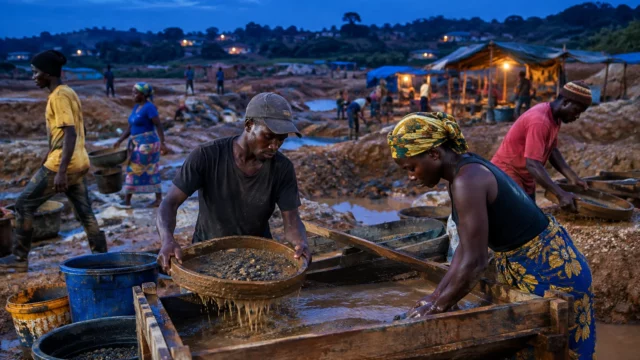
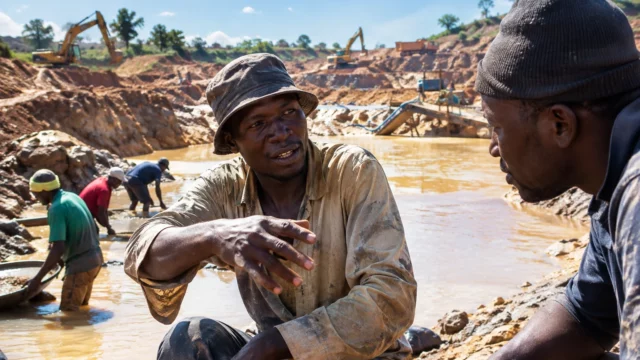
Guinea is the world’s leading bauxite producer, according to the USGS, and its reserves are among the largest in the world. This position gives the country strategic weight, especially at a time when global demand for aluminium continues to be driven by the automotive sector, energy and infrastructure. But this raw strength has long benefited exports more than local processing.
The institutional framework also matters. The Simandou 2040 programme, promoted by the presidency, is the backbone of the new industrial doctrine. The idea is clear: no longer to limit the benefits of mineral wealth to ships carrying ore away, but to create factories and technical jobs and, ultimately, a broader industrial base. In this approach, mining projects are now presented alongside plans for training, infrastructure and local content.
CBG at the heart of a shift that goes beyond the US file
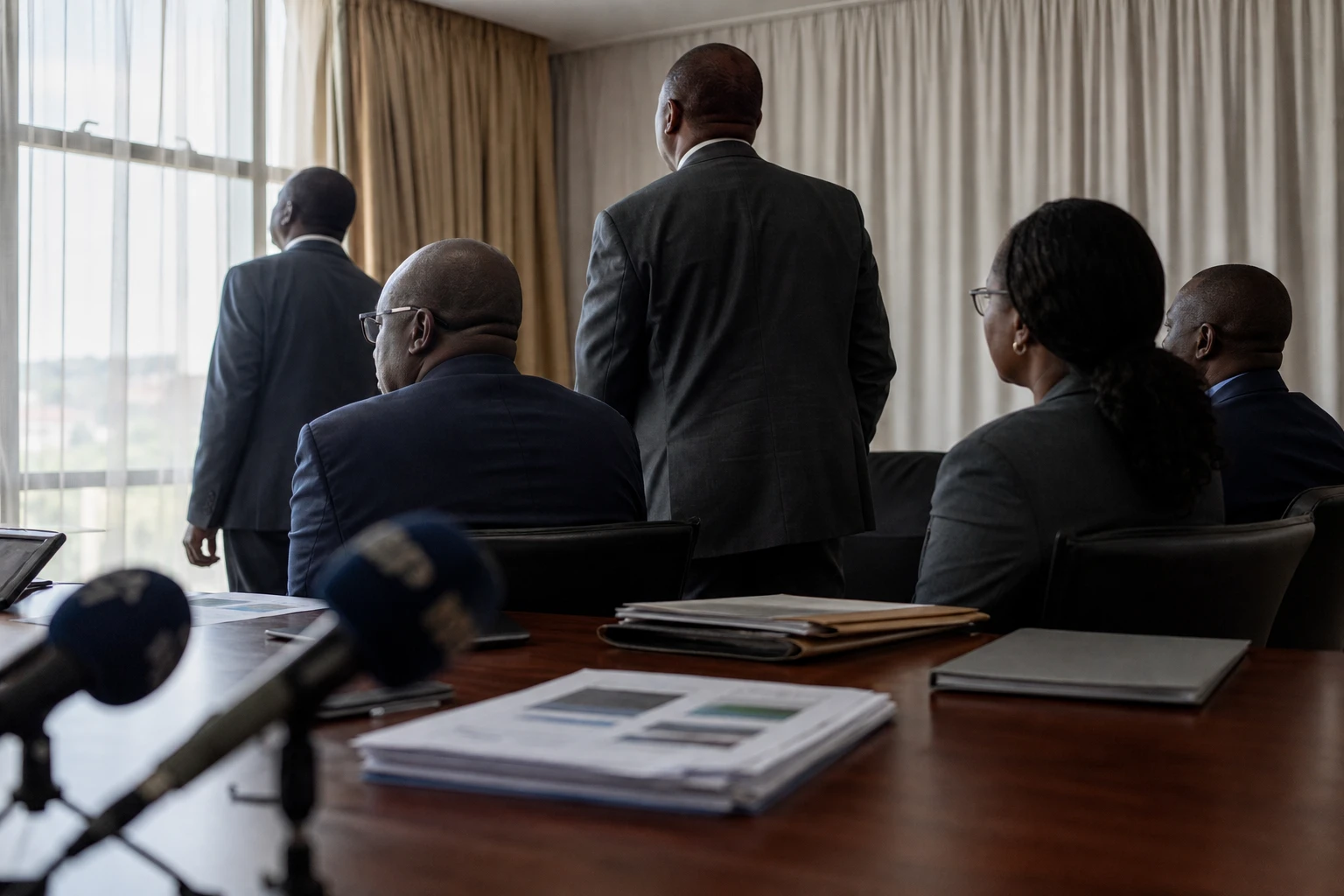
It is in this context that the Compagnie des Bauxites de Guinée, or CBG, is advancing its refinery project. On 20 and 21 August 2026 in Paris, the company held two working sessions on the project’s progress with its shareholders and Guinean authorities. On 27 August, it spoke of a “new decisive phase” and an action plan to follow the project roadmap.
The Ministry of Mines later said that recent discussions in the United States had focused on the involvement of the DFC, the US development finance agency, and the Exim Bank in the project. CBG says it is 49% owned by the Guinean state and 51% by Halco Mining, a consortium comprising Alcoa, Dadco and Rio Tinto Alcan. Its official website also describes the company as a major global player in bauxite.
The US signal is not unprecedented. In 2016, the former OPIC, now the DFC, had already backed CBG’s expansion. The agency’s public file cited a total cost of $795 million for the expansion project and an OPIC loan of up to $150 million. In other words, Washington already knows the company and its strategic importance to Guinea’s industry.
What another refinery would change
The project is more than an industrial announcement. An alumina refinery turns bauxite into an intermediate product that is closer to the aluminium value chain. In practical terms, that means more technical labour, more electricity, more logistics and greater tax revenue in the country. Conversely, it requires heavy investment, reliable energy and strict commitments on the environment and governance.
For Chalco, the Guinean Ministry of Mines cites a total investment of $1.68 billion and annual capacity of 1.2 million tonnes of alumina. It also projects nearly 1,000 direct jobs and 12,000 indirect jobs, as well as scholarships and technical training. The presidency, for its part, has confirmed that the refinery is part of the expansion of local resource processing.
For communities in Boké, Boffa, Kamsar and the mining areas of the north-west, the stakes are tangible. The industrial promise could create activity in services, transport, subcontracting and training. But it will produce lasting effects only if roads, energy, water and social monitoring keep pace. Without that, value added remains concentrated in company balance sheets and macroeconomic indicators.
Between China and the United States, Guinea diversifies its support
The issue also has geopolitical significance. So far, a large share of Guinea’s new bauxite-processing projects has been backed by Chinese capital, as shown by the recent launches of SPIC, Winning Consortium Alumina Guinea and Chalco. But the opening to the DFC and Exim Bank indicates that Conakry is seeking to bring in more partners and avoid becoming too dependent on a single group of investors.
This diversification comes at a time when the United States is also seeking to strengthen its presence in critical minerals and strategic supply chains. The DFC says it can support projects in countries such as Guinea, provided an agreement with Washington authorises this kind of backing and the project passes its due diligence checks. The door is therefore open, but access remains selective and subject to specific financial and political conditions.
Across West Africa, the issue extends beyond Guinea. For several years, ECOWAS has been observing the growth of policies to process raw materials locally, whether gold, lithium, manganese or bauxite. Guinea is sending a simple message: export less raw material, capture more value locally and gain greater leverage in negotiations with major industrial powers. It remains to be seen whether, by 2027 and 2028, the refinery pledges will translate into plants actually operating rather than a succession of announcements.