Algeria
 Egypt
 Libya
 Morocco
 Sudan
 Tunisia
 Benin
 Burkina Faso
 Cabo Verde
 Côte d'Ivoire
 Guinea
 Guinea-Bissau
 Liberia
 Mali
 Mauritania
 Niger
 Nigeria
 Senegal
 Sierra Leone
 The Gambia
 Togo
 Cameroon
 Central African Republic
 Chad
 DR Congo
 Equatorial Guinea
 Gabon
 Republic of the Congo
 São Tomé and Príncipe
 Burundi
 Comoros
 Djibouti
 Eritrea
 Ethiopia
 Kenya
 Madagascar
 Malawi
 Mauritius
 Mozambique
 Rwanda
 Seychelles
 Somalia
 South Sudan
 Tanzania
 Uganda
 Angola
 Botswana
 Eswatini
 Lesotho
 Namibia
 South Africa
 Zambia
 Zimbabwe
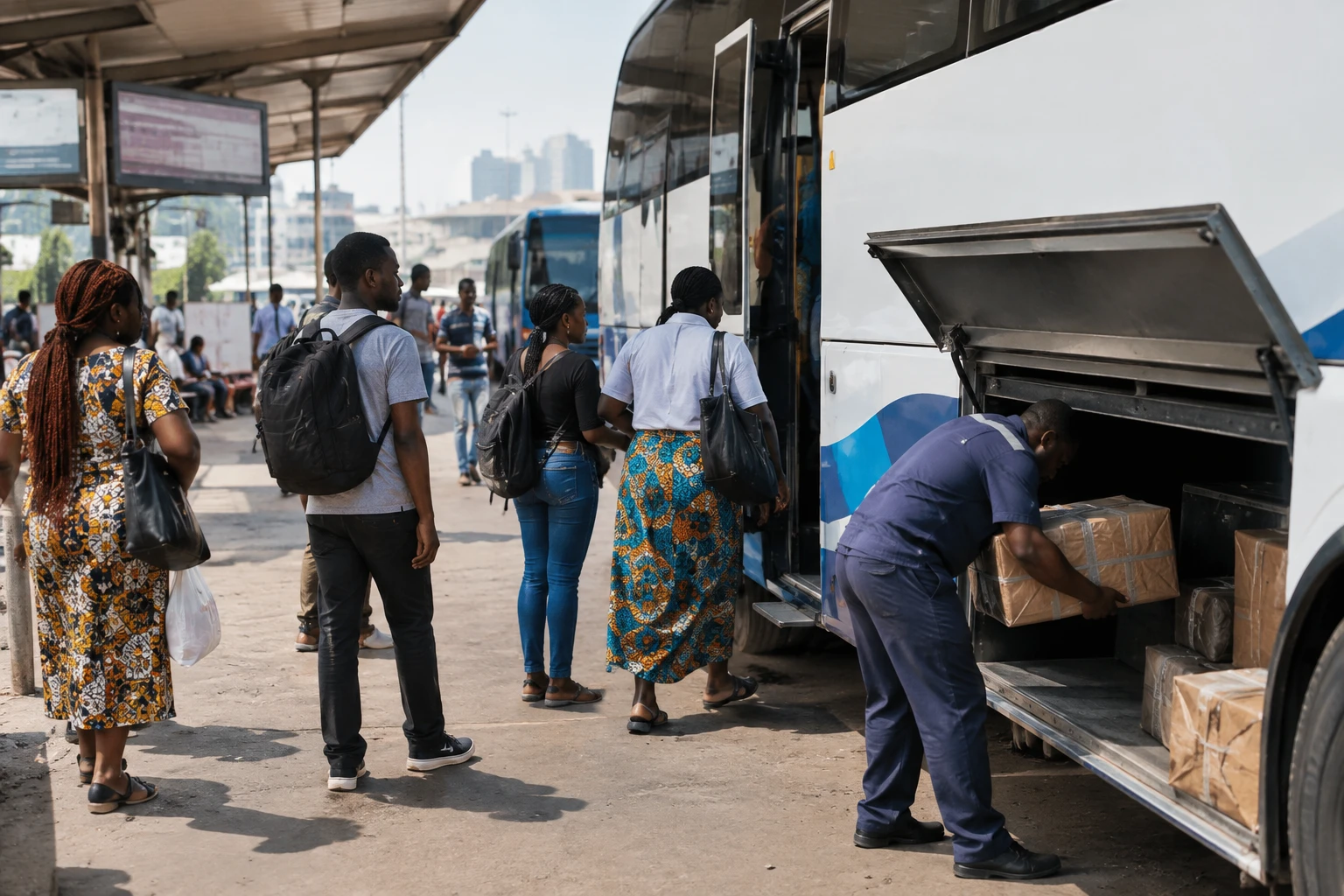
An agreement announced between Accra and Caracas will not be measured solely by the number of sectors mentioned. For Ghanaian cocoa producers and businesses in both countries, the question will be whether discussions lead to funded projects, regular trade and verifiable results.
Trade remains modest despite broad ambitions
Ghana, a member of the Economic Community of West African States (ECOWAS), is holding these discussions in a region where trade integration remains a central project. ECOWAS is seeking, in particular, to facilitate trade between its members. Venezuela, by contrast, is part of a different regional sphere: a possible bilateral partnership would therefore fall outside West African trade mechanisms.
Diplomatic relations between Accra and Caracas date back to 1965, according to Venezuela’s foreign ministry. In September 2025, the two countries had already signalled their desire to strengthen cooperation at a meeting between their foreign ministers in New York. Venezuela then announced its intention to open an embassy in Accra; that announcement is not, however, enough to establish that the mission is now operational.
Trade in goods remains limited. According to UN Comtrade data cited by several databases, recorded trade in 2025 reached about $5.52 million. Ghanaian exports to Venezuela amounted to nearly $5.33 million, compared with about $186,000 in imports from that country. These figures describe customs flows, not the full extent of economic relations or their value to the population.
From cocoa to energy: possibilities, not yet agreements
On 28 October 2026 in Accra, Venezuelan ambassador Jesús García met James Gyakye Quayson, Ghana’s deputy foreign minister. According to information released after the meeting, the two sides are considering memorandums of understanding in several sectors. A memorandum sets out a framework for cooperation, but does not in itself guarantee that a project will be carried out.
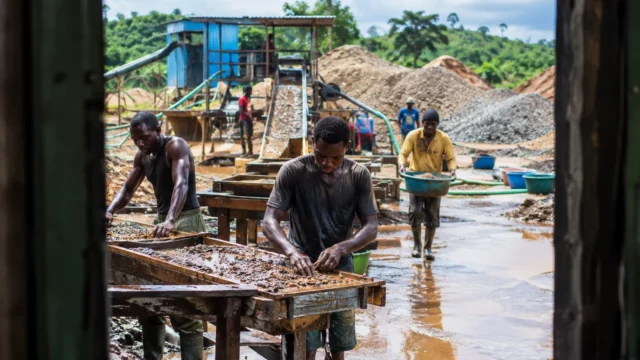
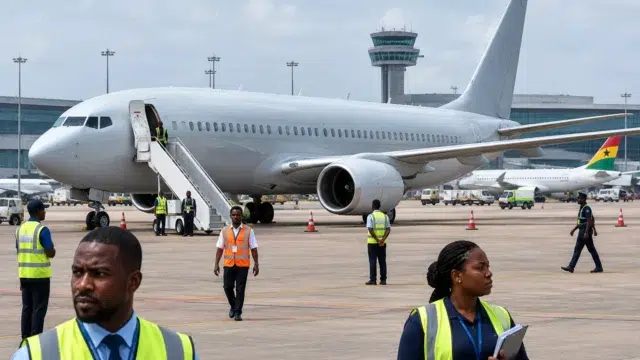
The areas mentioned include aviation, education, oil and gas, tourism, defence and cocoa processing. For Ghana, cocoa is a major economic concern, affecting farmers, buyers, processing plants and export revenues. The ambassador said Venezuelan technologies could help reduce losses caused by plantation diseases. No public details have yet been given on the proposed techniques, their cost or the terms of any possible transfer.
This distinction matters. Cooperation that benefits producers would depend on adapting it to local conditions, access to inputs and agricultural services, and the ability to make solutions available beyond large farms. Without a timetable, budget and identified partners, the technology pledge remains a subject for discussion, not an established result.
Energy presents another possibility, but also raises practical questions. Venezuela has substantial oil reserves, while Ghana is itself a hydrocarbons producer. The meeting announced no contract, supply volume or investment. The two states would need to specify whether cooperation would involve expertise, training, trade or infrastructure, and under what conditions it would take place.
The test of implementation
Trade figures show a clear imbalance in favour of Ghanaian exports to Venezuela. In 2025, minerals, slag and ash made up the largest category, according to the detailed UN Comtrade data consulted. Ghanaian imports recorded from Venezuela mainly comprised leather and meat. This breakdown highlights the gap between the diversity of sectors now being discussed and the concentration of existing trade.
For businesses, new agreements will have an impact only if practical obstacles are addressed: transport, payments, insurance, standards and market access. Projects in aviation or tourism, for example, would require routes and operators willing to commit. In education, exchange or scholarship programmes would need to specify the participating institutions and beneficiaries.
The regional context gives the rapprochement a significance that extends beyond the two capitals. Ghana is part of ECOWAS and hosts the secretariat of the African Continental Free Trade Area (AfCFTA), a framework intended to develop trade between African countries. An agreement with Caracas does not replace these regional priorities. It could, however, open an additional channel with Latin America, provided Ghanaian businesses can benefit from it and the commitments remain consistent with applicable rules.
The next step, then, will be less about multiplying announcements than publishing signed texts, naming those responsible and setting verifiable deadlines. The effective opening of the embassy announced in 2025 will also need to be monitored, along with the translation of October’s discussions into concrete programmes. At this stage, Accra and Caracas have identified areas of mutual interest; the substance of the agreements and their economic effects remain to be established.