Algeria
 Egypt
 Libya
 Morocco
 Sudan
 Tunisia
 Benin
 Burkina Faso
 Cabo Verde
 Côte d'Ivoire
 Guinea
 Guinea-Bissau
 Liberia
 Mali
 Mauritania
 Niger
 Nigeria
 Senegal
 Sierra Leone
 The Gambia
 Togo
 Cameroon
 Central African Republic
 Chad
 DR Congo
 Equatorial Guinea
 Gabon
 Republic of the Congo
 São Tomé and Príncipe
 Burundi
 Comoros
 Djibouti
 Eritrea
 Ethiopia
 Kenya
 Madagascar
 Malawi
 Mauritius
 Mozambique
 Rwanda
 Seychelles
 Somalia
 South Sudan
 Tanzania
 Uganda
 Angola
 Botswana
 Eswatini
 Lesotho
 Namibia
 South Africa
 Zambia
 Zimbabwe
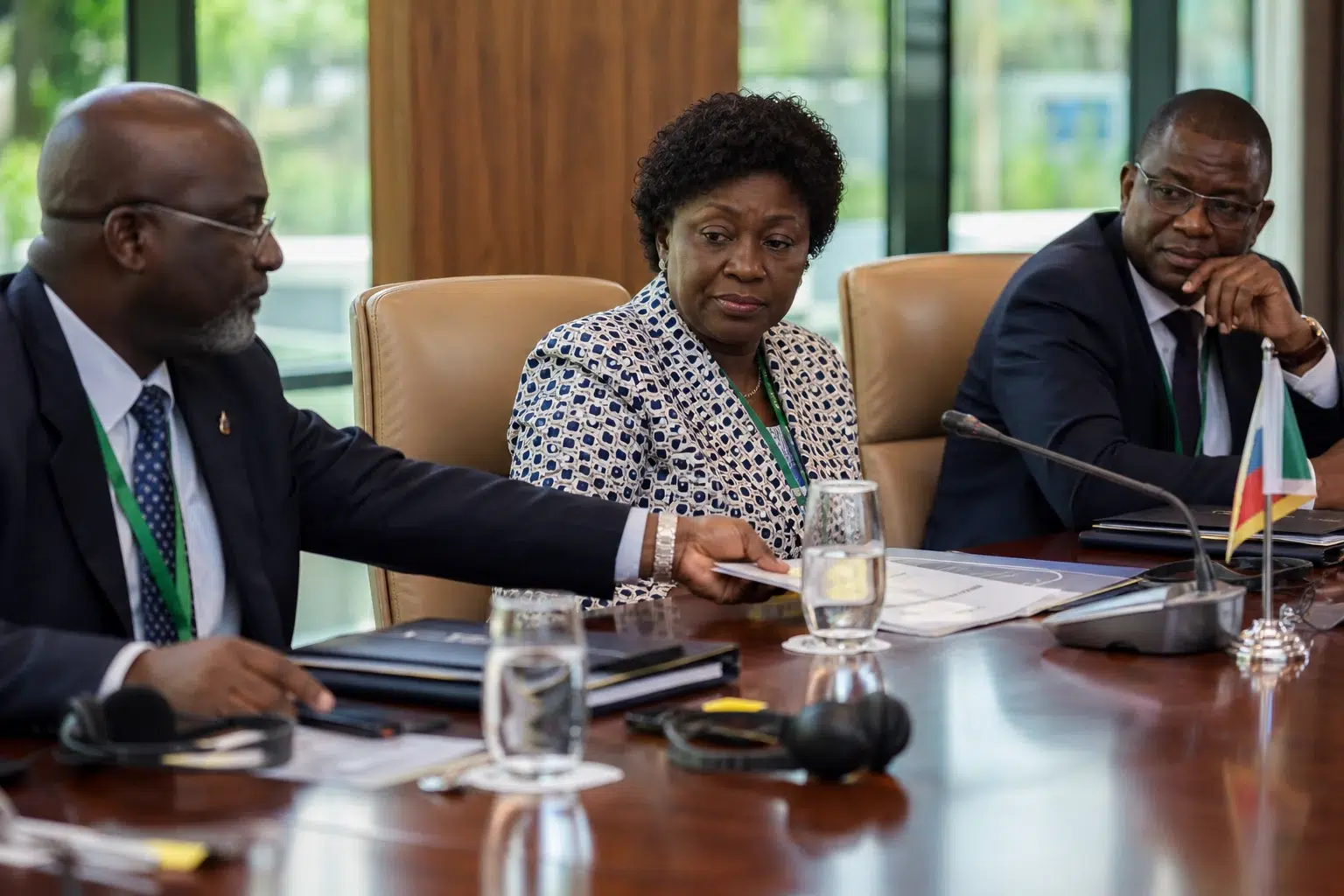
In Ghana, mining value is now created beyond the extraction pit
At a mine, everything begins with the rock. But in Ghana, the balance of power is shifting on another front too: contracts, equipment and ownership of the services that keep sites running. In Accra, the government wants the wealth generated by gold to leave a greater mark on the Ghanaian economy, and not only on the accounts of international groups. The transition under way at Iduapriem is part of this shift.
The issue goes beyond a simple commercial renegotiation. It concerns a strategic sector for Ghana, the continent’s leading gold producer, at a time when the country is tightening mining governance, rewriting its local-content rules and seeking to capture more value at home. The Minerals Commission says the local-content policy aims to create jobs, strengthen domestic suppliers and increase the competitiveness of Ghanaian companies.
A six-month transition at Iduapriem, at the heart of Ghana’s shift
AngloGold Ashanti has agreed with Perenti Limited to a transition period of about six months for operations at its Iduapriem mine in the Western Region, near Tarkwa. The mine is open-pit. It produced 199,000 ounces of gold in 2025, according to the group. Perenti operates there through African Mining Services, in a joint venture with Ghanaian company MaxMass since 2018. The existing contract was due to give way to a new arrangement that complies with the new local requirements.
The announced mechanism is precise. The current structure is to withdraw gradually from the site, while a major portion of the equipment is to be transferred to AngloGold Ashanti in a transaction valued at between A$30 million and A$40 million. Operationally, the mining contractor handles drilling, extraction, loading and ore haulage. In other words, this is not a peripheral service, but a central link in production.
This transition is no accident. Since 2020, Ghanaian local-content regulations have required greater use of national labour, goods and services across the mining supply chain. The most recent update goes further. The government has approved a revised policy to strengthen local content and value creation at home, and the authorities have also set out a new approach to Ghanaian participation in mining contracts.
What the reform means for companies and Ghanaians
The rule has become more demanding. For open-pit mines, the authorities want companies to be wholly owned by Ghanaian interests. For underground operations, they require at least 50% national participation. The companies concerned have until December 2026 to comply, on pain of sanctions, according to several sources cited by the international press. At the same time, Ghana’s mining regulator has warned that fronting arrangements will not be tolerated.
For mining groups, the equation is clear: productivity must be maintained while the subcontracting chain is reorganised. For Ghanaian companies, the challenge is different: they must move up the value chain quickly, with the machinery, logistics, working capital and skills required for industrial-scale operations. This is where the reform’s credibility will be tested. The authorities say they want to move from a model in which local presence is limited to labour to one in which domestic companies control more operations and revenue.
The Iduapriem case is therefore revealing. MaxMass, Perenti’s Ghanaian partner, could take on a greater role. However, nothing has been officially decided about the exact successor to the current partnership. This uncertainty matters. If local companies win contracts, they will also have to prove they can ensure the technical continuity, safety and extraction pace required at a gold mine of this size.
A signal for West Africa’s mining sector
Ghana is not making this shift in isolation. Across the West African sub-region, several states are seeking to regain control of mining value chains, as ECOWAS itself is caught up in debates over economic sovereignty, industrialisation and youth employment. Ghana’s move is notable because it goes beyond taxation or licences. It targets subcontracting, and therefore the operational core of the mine.
This approach also reflects a broader continental trend. African governments are now calling for more local processing, more domestic procurement and greater national participation in extractive activities. In Ghana, this strategy adds to other recent reforms, such as tighter oversight of artisanal gold and efforts to increase national reserves through gold. The message is consistent: the country is seeking to retain more value before export.
The implications are continental, because the move raises a question facing many African states: how can local content be imposed without undermining industrial performance? The test is now beginning in Accra. It will show whether the reform produces strong domestic operators, or merely a change of label on activities still controlled from outside.