Algeria
 Egypt
 Libya
 Morocco
 Sudan
 Tunisia
 Benin
 Burkina Faso
 Cabo Verde
 Côte d'Ivoire
 Guinea
 Guinea-Bissau
 Liberia
 Mali
 Mauritania
 Niger
 Nigeria
 Senegal
 Sierra Leone
 The Gambia
 Togo
 Cameroon
 Central African Republic
 Chad
 DR Congo
 Equatorial Guinea
 Gabon
 Republic of the Congo
 São Tomé and Príncipe
 Burundi
 Comoros
 Djibouti
 Eritrea
 Ethiopia
 Kenya
 Madagascar
 Malawi
 Mauritius
 Mozambique
 Rwanda
 Seychelles
 Somalia
 South Sudan
 Tanzania
 Uganda
 Angola
 Botswana
 Eswatini
 Lesotho
 Namibia
 South Africa
 Zambia
 Zimbabwe
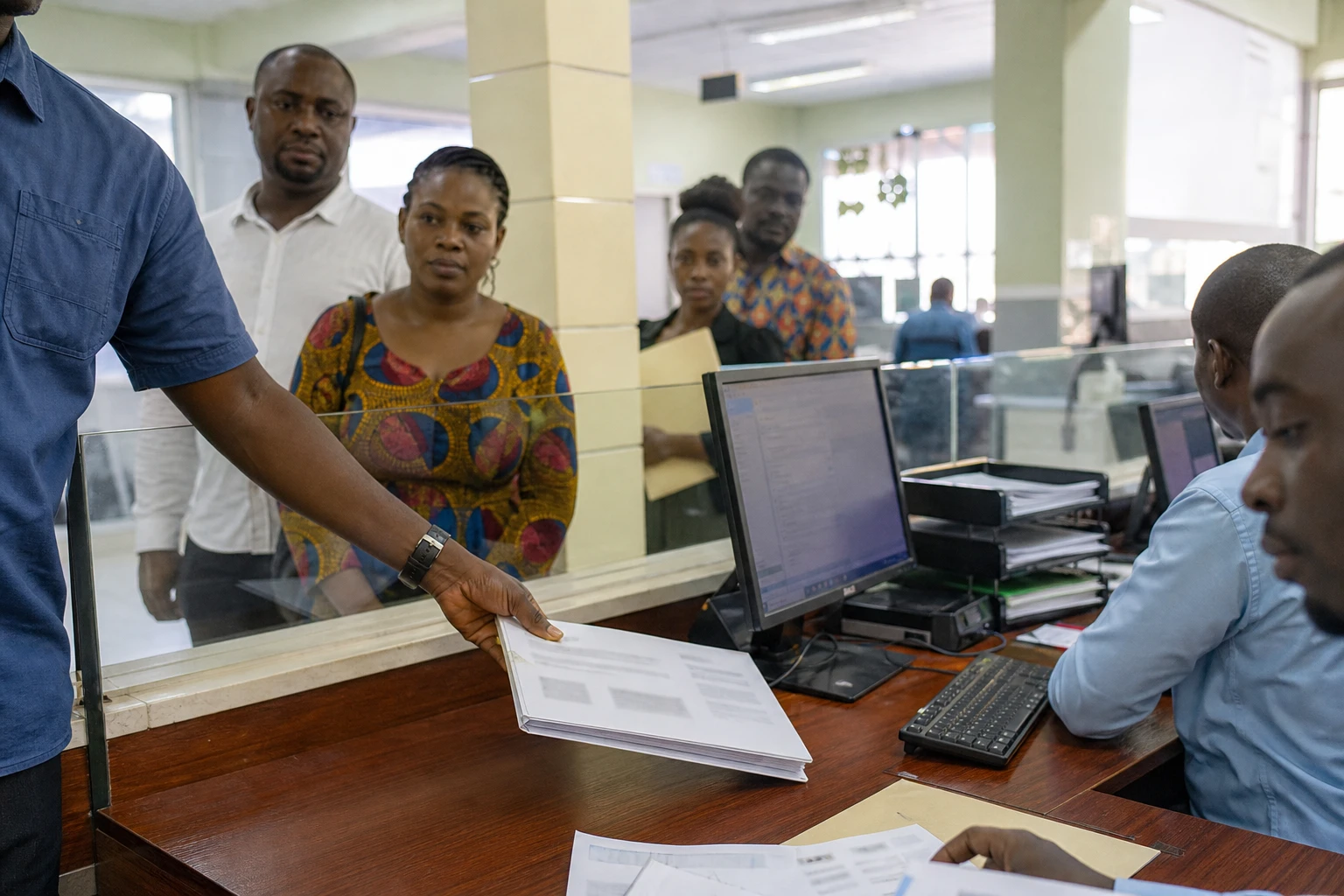
For African healthcare manufacturers, the problem is not just a lack of capital. It also lies in the difficulty of getting a product recognised, navigating regulatory borders and reaching multiple markets. From El Alamein, Egypt, Ghanaian President John Dramani Mahama wants to tackle this obstacle with a digital platform called HINGE.
A tool to reduce market fragmentation
John Dramani Mahama presented HINGE on 3 October 2026, during the health session of the Alamein Africa Forum. The acronym stands for “Health Investment and National Gateway Enabler”. The platform is intended to make it easier for investors, manufacturers and innovators to develop activities in Africa’s health sector.
The initiative is being developed with the African Medicines Agency, the Pasteur Institute and AfroChampions. It is intended to bring together, in a more coherent process, several steps that are currently spread across countries: regulatory procedures, clinical validation and the commercialisation of health products.
The promise is significant. A company may currently have to repeat similar procedures in several African jurisdictions. It must also contend with different timelines, standards that are sometimes poorly harmonised and public procurement systems that remain largely national. HINGE therefore aims to turn a series of separate procedures into a clearer path for project developers.
The platform will not, by itself, remove the authority of national regulators. It could, however, help better coordinate their requirements. Its effectiveness will therefore depend on countries’ buy-in, the quality of available data and regulators’ ability to work with common standards.
Ghana wants to make health a productive sector
In El Alamein, Ghana’s head of state made the case for an economic approach to health. In his view, medicines, vaccines, laboratories and medical services should no longer be seen solely as items of expenditure. They can also support skilled employment, research, industry and economic resilience.
This approach is part of the course Accra has pursued since the launch of the Accra Reset, an initiative led by John Mahama to give Africa greater ownership of its health policies and their financing. The initiative includes working groups and an observatory intended to track capital flows and non-tariff barriers that hamper regional value chains.
In Ghana, this approach accompanies national policies focused on expanding health coverage and strengthening primary care. The government has highlighted the National Health Insurance Scheme, the free primary healthcare programme and the Ghana Medical Trust Fund. These measures directly affect households, but they also create more predictable demand for medicines and equipment produced in the region.
For Ghanaians, the challenge is therefore twofold. It is about improving access to care in cities as well as in less-served districts. It is also about building an industrial base capable of limiting supply disruptions and pressure on foreign exchange reserves.
Dependence that weakens health systems
The Ghanaian president recalled that Africa imports more than 70% of its medicines and nearly 99% of its vaccines. These figures, cited by Ghana’s presidency and reported by several Ghanaian media outlets, illustrate a dependence that goes beyond trade alone.
When global supply chains are disrupted, African countries face delays, price pressures and competition among buyers. Countries with limited local industry are then exposed to decisions made elsewhere. The Covid-19 pandemic made this vulnerability particularly visible, but did not create it.
Local production does not mean that every country must manufacture the entire range of treatments on its own. A more realistic strategy is based on regional complementarities. One country can specialise in active pharmaceutical ingredients, another in formulation, and a third in packaging or clinical trials.
This approach aligns with the objectives of the African Continental Free Trade Area, which seeks to increase trade between the continent’s economies. It nevertheless requires reducing regulatory barriers and strengthening trust between national authorities. This is precisely where HINGE aims to intervene.
Financing industry beyond packaging
John Mahama also challenged financiers and manufacturers. He asked them what risk-mitigation instruments could unlock patient capital for African pharmaceutical plants. He also called for a shift from simple packaging to the manufacture of active pharmaceutical ingredients — the substances that give medicines their therapeutic effect.
This step is decisive. Several African countries already have formulation or packaging capacity. However, producing active ingredients requires more research, energy, specialised equipment and technical expertise. It therefore demands longer-term, riskier investment.
The Ghanaian president cited Egypt’s example, which has developed a national response to hepatitis C by combining local production, technology transfer and support for domestic companies. He also mentioned the medical centre of excellence opened in Abuja, Nigeria, as an effort to reduce patients’ need to travel abroad.
These examples are not models that can be directly replicated everywhere. They nevertheless show that health sovereignty can take several forms: producing locally, providing treatment at home, training staff and retaining part of medical spending within African economies.
Implementation is the next step
HINGE is being launched in a more constrained financial environment. Ghana’s presidency says that traditional aid for African health could fall by 29% to 46% compared with 2024 levels, according to projections attributed to the Organisation for Economic Co-operation and Development.
This trend increases pressure on public budgets. It also compels governments to make better use of available funding, mobilise regional savings and attract private investors without losing sight of access to healthcare.
The challenge now will be to turn the announcement into funded, measurable projects. Investors will expect stable rules. Regulators will need to demonstrate that procedures can genuinely be brought closer together. The public, meanwhile, will judge the outcome by concrete measures: the availability of medicines, prices, treatment quality and access in rural areas.
For Ghana and the Economic Community of West African States, the issue therefore goes beyond launching a platform. It concerns the region’s ability to build a more integrated health market. What happens next will depend on the commitment of African states, the mobilisation of banks and the conversion of HINGE into investment that is actually put into operation.