
 Algeria
 Egypt
 Libya
 Morocco
 Sudan
 Tunisia
 Benin
 Burkina Faso
 Cabo Verde
 Côte d'Ivoire
 Ghana
 Guinea
 Guinea-Bissau
 Liberia
 Mali
 Mauritania
 Niger
 Senegal
 Sierra Leone
 The Gambia
 Togo
 Cameroon
 Central African Republic
 Chad
 DR Congo
 Equatorial Guinea
 Gabon
 Republic of the Congo
 São Tomé and Príncipe
 Burundi
 Comoros
 Djibouti
 Eritrea
 Ethiopia
 Kenya
 Madagascar
 Malawi
 Mauritius
 Mozambique
 Rwanda
 Seychelles
 Somalia
 South Sudan
 Tanzania
 Uganda
 Angola
 Botswana
 Eswatini
 Lesotho
 Namibia
 South Africa
 Zambia
 Zimbabwe
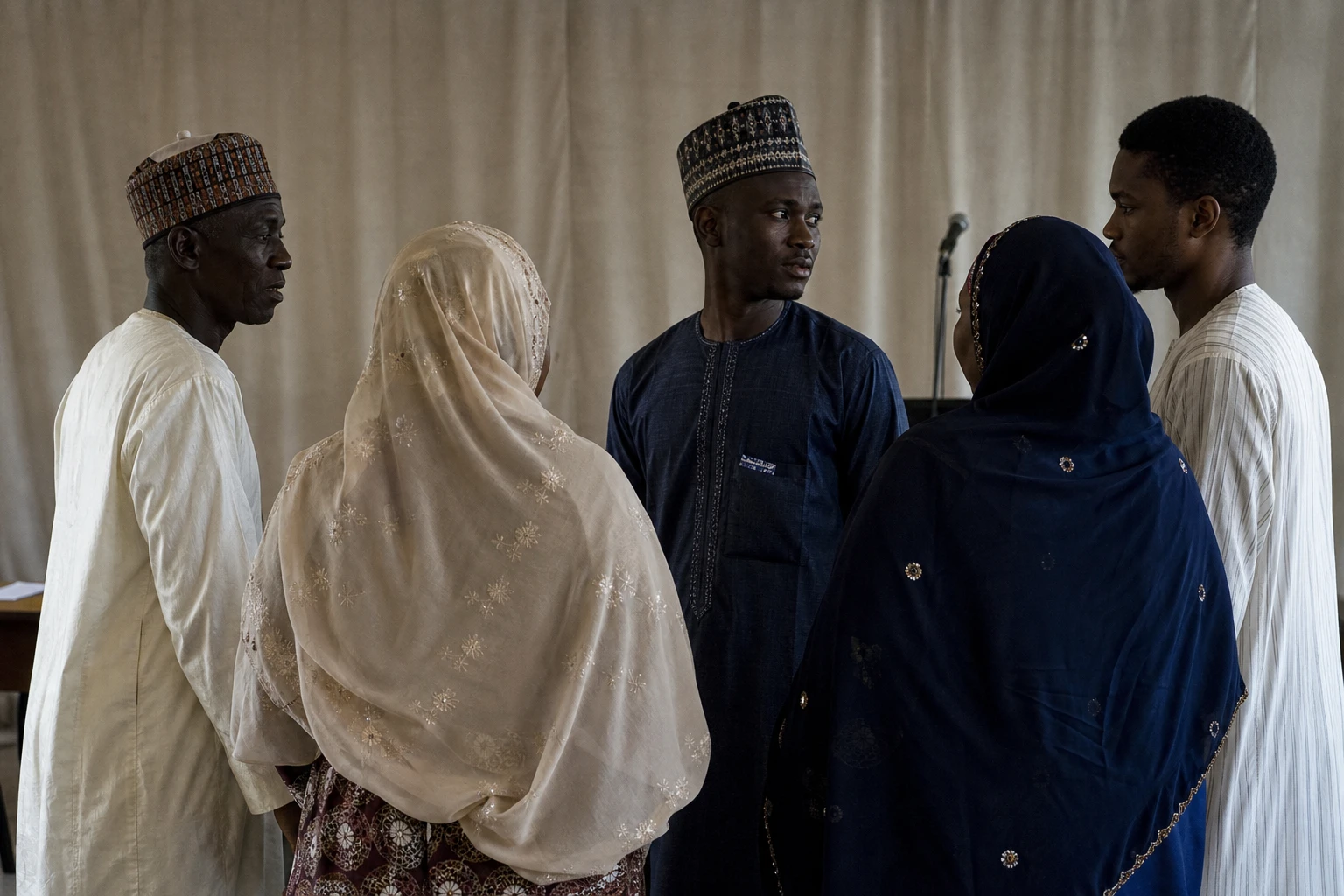
In north-west Nigeria, hunger is no longer an isolated shock
In Kware, in Sokoto State, a child relapsing into malnutrition is no surprise to a family. It is not a one-off setback. It is a sign of a protection system too fragile to absorb rising prices, insecurity and falling incomes all at once.
North-west Nigeria has lived with armed violence, population displacement and disrupted markets for years. In this area, Sokoto, Katsina, Kebbi and Zamfara remain among the states most exposed. Humanitarian organisations describe a silent crisis, less visible than the insurgency in the north-east, but just as burdensome for poor households.
A local crisis amplified by shocks from afar
The core issue is simple: when fuel prices rise, everything rises. Transport, food, agricultural inputs, and then the cost of the food basket. In March 2026, Nigeria’s annual inflation rate was still measured at 15.4%, despite falling sharply from 2024, while food prices remained under pressure. The International Monetary Fund links the rebound to global fuel and food prices.
The link to the Middle East is mainly through energy. UNICEF estimates that up to 23.4 million additional children could be pushed into monetary poverty by the end of 2026 as a result of the economic effects of the war in the Middle East, including rising prices and shipping disruptions. The agency says at least 80% of these children would be in Africa and Asia.
For Nigeria, the external shock hits an already battered economy. The World Bank says the country is undergoing incomplete macroeconomic stabilisation, with widespread poverty, persistent inflation and stark regional disparities. The IMF adds that in 2025, national poverty stood at 63% and 27 million Nigerians faced food insecurity in autumn 2025.
What the figures say, and what they conceal
The most striking figure comes from the World Bank: 139 million Nigerians are now poor or at risk of poverty. This level highlights the vulnerability of families in the north-west. Even a modest rise in fuel costs can push a household into debt, lead it to cut meals and then delay care for a sick child.
The northern states do not all start from the same position, but they are converging on the same vulnerabilities: rural insecurity, difficult access to healthcare, pressure on local markets and heavy reliance on the informal economy. UNICEF estimates that in 2026, 8.4 million people, including 5 million children, will need humanitarian assistance in north-east, north-west and north-central Nigeria. In the north-west, armed groups and communal violence have already displaced nearly 1.4 million people.
The pressure has very tangible effects. When the income of a driver, trader or small farmer falls, food is often the first thing to be cut back. Households buy cheaper food, buy it less often, or give up more nutritious foods. In health centres, this means more relapses, interrupted treatment and severe cases arriving too late.
The impact of Bola Tinubu’s reforms
The economic reforms introduced by Nigerian President Bola Tinubu have changed the fiscal balance, but they have also made daily life harder. The removal of fuel subsidies and the depreciation of the naira have contributed to the rising cost of living, as noted by the IMF and several official and quasi-official analyses. The government has chosen to address longstanding imbalances, but the social cost is still visible in both cities and rural areas.
In Sokoto, the problem is not only monetary. It is also logistical. When roads are less safe, farms produce less, markets tighten and humanitarian aid becomes scarcer, prices rise quickly and fall slowly. This is particularly hard for large families, women who bear responsibility for feeding the household, and children under five, who are most exposed to acute malnutrition.
The federal government did launch food and nutrition aid distributions in Sokoto in February 2026, but these responses remain sporadic in the face of a structural crisis. The WFP warns that needs are rising faster than available resources and that children are among the most exposed in the north of the country.
A Nigerian warning, but also a West African one
This issue extends beyond Nigeria. Across the ECOWAS area, soaring fuel and food prices are affecting highly integrated economies, where trade borders remain porous and households heavily dependent on imports. When one of the region’s giants falters, the effects ripple through its neighbours’ trade flows, prices and public policies.
Three fronts therefore need to be monitored. First, changes in global energy prices and maritime transport costs. Second, the Nigerian government’s ability to cushion its reforms with more effective social safety nets. Finally, the lean season in the north, when stocks dwindle and poor households are more easily pushed into hunger. In north-west Nigeria, food security is no longer an abstract indicator. It is a direct measure of social stability.



