Algeria
 Libya
 Morocco
 Sudan
 Tunisia
 Benin
 Burkina Faso
 Cabo Verde
 Côte d'Ivoire
 Ghana
 Guinea
 Guinea-Bissau
 Liberia
 Mali
 Mauritania
 Niger
 Nigeria
 Senegal
 Sierra Leone
 The Gambia
 Togo
 Cameroon
 Central African Republic
 Chad
 DR Congo
 Equatorial Guinea
 Gabon
 Republic of the Congo
 São Tomé and Príncipe
 Burundi
 Comoros
 Djibouti
 Eritrea
 Ethiopia
 Kenya
 Madagascar
 Malawi
 Mauritius
 Mozambique
 Rwanda
 Seychelles
 Somalia
 South Sudan
 Tanzania
 Uganda
 Angola
 Botswana
 Eswatini
 Lesotho
 Namibia
 South Africa
 Zambia
 Zimbabwe
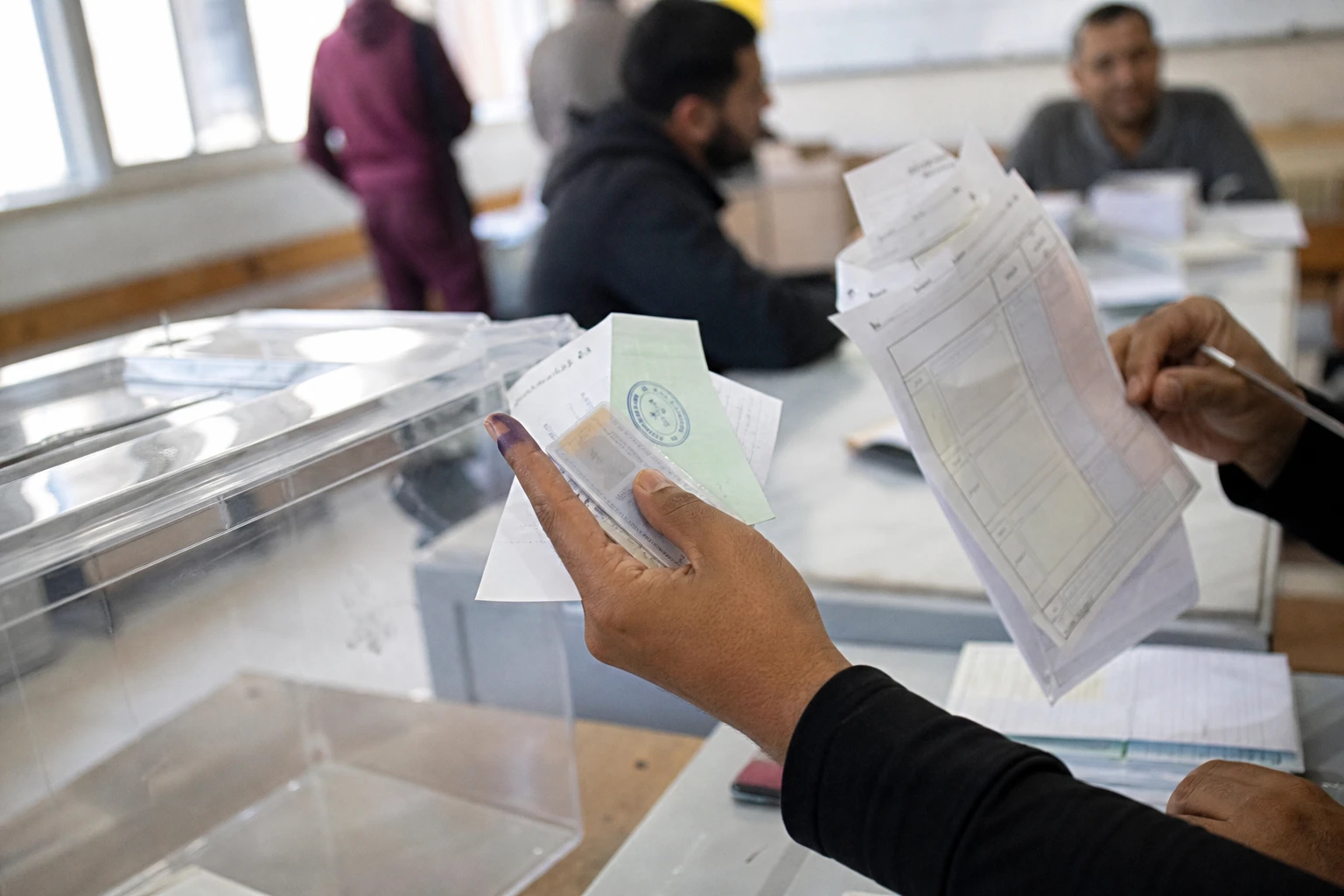
When academic success is not enough to pay the entry fee
In Egypt, academic merit does not yet guarantee access to university. For some families, the real obstacle remains the cost, especially when private higher education offers highly sought-after courses and facilities that the public sector cannot always provide at the same pace.
This is where Cairo is changing its approach. The Egyptian authorities are now relying on a fully funded scholarship to turn excellent grades into a real opportunity. The message is clear: the state wants to link academic selection, social protection and the training of scientific elites in a single scheme.
On 25 August 2026, the Ministry of Higher Education and Scientific Research, together with the Central Bank of Egypt, opened applications for the “Future Scientists” scholarship for the 2026-2027 academic year. The programme targets Egyptian secondary-school students from families benefiting from Takaful and Karama, or students exempted from tuition fees by the Ministry of Education in 2025-2026. Applications are due to be submitted from 29 August to 2 September 2026 through the programme’s official platform.
A scholarship designed as a tool for social mobility
The scheme covers more than university fees. It also pays for accommodation and living expenses until graduation, provided students comply with the academic rules set by the programme. From the second year onwards, students must maintain an average of 3.0 out of 4. If they fail to do so, the scholarship may be suspended and the sums received reclaimed. Recipients may not change their course or combine this support with another scholarship funded by a third party.
Candidates must also have obtained their secondary-school certificate from a public institution, have a good conduct record and pass an admissions test after pre-selection. Each successful applicant must open an account with a bank approved by the Central Bank of Egypt to receive their allowances. The programme thus pairs financial support with monitoring and traceability requirements.
The courses selected also reflect a strategy. Medicine, engineering, computing and artificial intelligence, nursing, veterinary medicine, applied arts, design, agriculture, tourism and archaeology are among the disciplines funded. The government is therefore prioritising sectors deemed useful to the economy, public services and the country’s image. Places are allocated by governorate, with candidates able to apply in a neighbouring region if the course is not available locally.
A public policy set within a broader framework
This scholarship has not emerged in isolation. It is part of the expansion of Egypt’s social protection system. The 2025-2026 budget raised allocations for subsidies, aid and social benefits to 742.6 billion Egyptian pounds, according to official budget documents. At the same time, funding for Takaful and Karama has been increased. The programme, now one of the pillars of the country’s social framework, reaches 22 million people, according to public communications from the Egyptian government.
This development matters for another reason: it shows that the Central Bank is no longer confined to its monetary responsibilities. By joining the “Future Scientists” scholarship, it is directly involved in a mechanism for redistribution and investment in human capital. The signal is as political as it is economic. Higher education is becoming a means of addressing inequality, not merely a training market.
But the need remains real. Territorial disparities remain stark in Egypt, particularly between Cairo and the major cities, and rural Upper Egypt. World Bank research indicates that the national poverty rate stood at 33.5% in 2021-2022, and that poverty remained more severe in the country’s most vulnerable southern areas. Other studies on regional inequality highlight that the countryside of Upper Egypt accounts for a very high share of poor households. The scholarship therefore addresses a longstanding social divide: talented students exist everywhere, but the chances of going on to university are not evenly distributed.
What this means for Egypt, and what the continent is watching
For low-income families, the benefit is tangible. The state is no longer funding only continued schooling; it is also promising a route to university. This could change the trajectory of an entire family, particularly in governorates where distance from a campus, accommodation costs or additional expenses stand in the way of higher education. For students from rural areas, the support reduces the risk of dropping out between the secondary-school certificate and enrolment.
For Egypt’s private universities, the stakes are different. They are becoming more socially open, but also more closely aligned with national priorities. By funding targeted courses, the state is steering provision towards professions considered strategic. In return, institutions will have to admit a more diverse range of students without leaving the cost to the most vulnerable families.
Across Africa, the initiative resonates beyond Egypt. Many countries on the continent have widened access to higher education, but the question of social justice remains unresolved. Scholarships are available and admissions tests select students, yet transport, accommodation and living costs continue to exclude the most able pupils from low-income backgrounds. Cairo is offering a model that combines social targeting, academic rigour and full funding.
The outcome will depend on implementation. The opening of applications on 29 August 2026 will show whether the platform works smoothly. Selection, tests and allocation across governorates will follow. That is where the real impact of “Future Scientists” will be measured: not by its promise, but by its ability to turn a strong school record into lasting social mobility.