Algeria
 Egypt
 Libya
 Morocco
 Sudan
 Benin
 Burkina Faso
 Cabo Verde
 Côte d'Ivoire
 Ghana
 Guinea
 Guinea-Bissau
 Liberia
 Mali
 Mauritania
 Niger
 Nigeria
 Senegal
 Sierra Leone
 The Gambia
 Togo
 Cameroon
 Central African Republic
 Chad
 DR Congo
 Equatorial Guinea
 Gabon
 Republic of the Congo
 São Tomé and Príncipe
 Burundi
 Comoros
 Djibouti
 Eritrea
 Ethiopia
 Kenya
 Madagascar
 Malawi
 Mauritius
 Mozambique
 Rwanda
 Seychelles
 Somalia
 South Sudan
 Tanzania
 Uganda
 Angola
 Botswana
 Eswatini
 Lesotho
 Namibia
 South Africa
 Zambia
 Zimbabwe
A signal for private financing in Tunisia
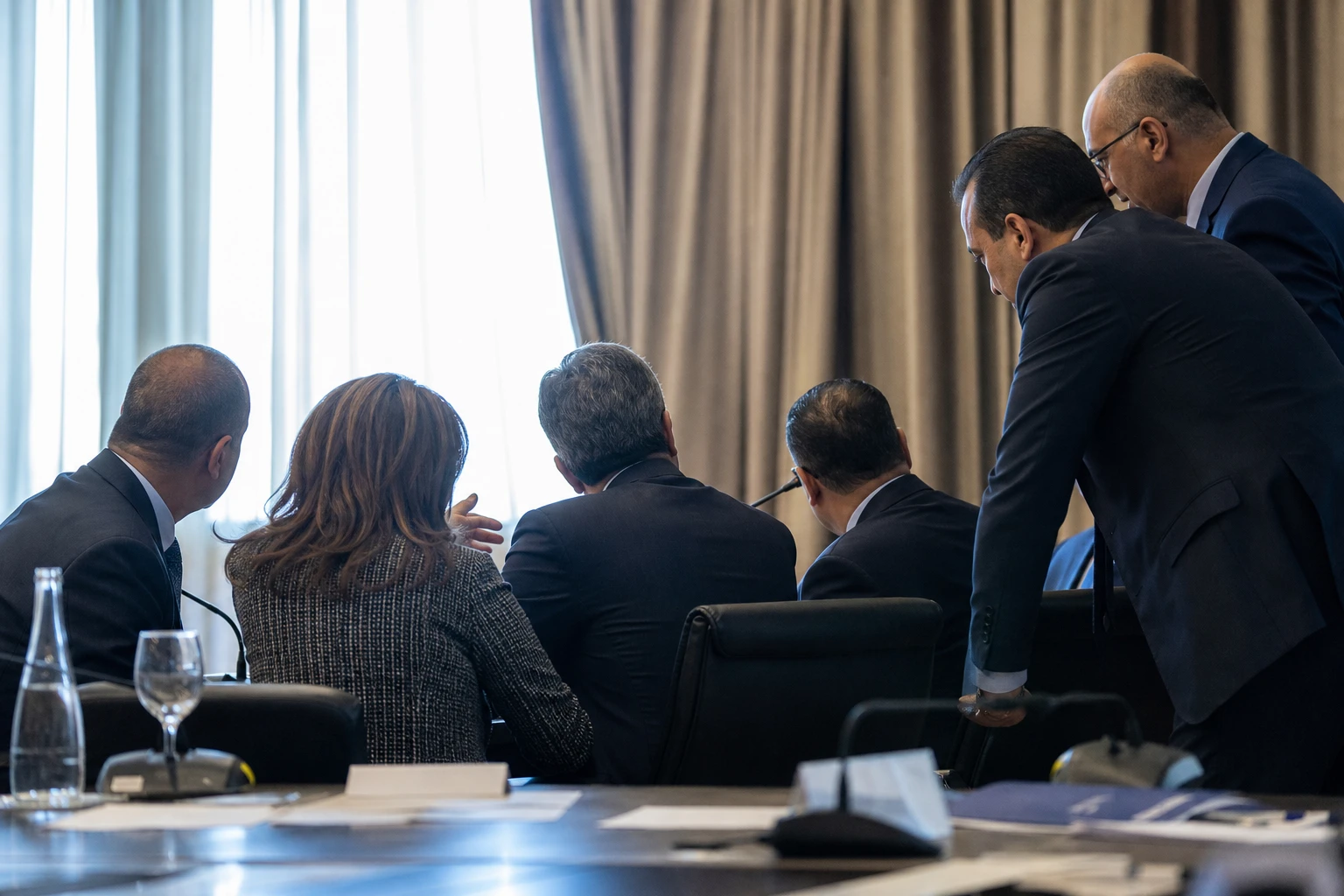
In Tunisia, access to credit remains a very real issue for small and medium-sized enterprises. When a banker agrees to lend more, for longer and for more technical projects, the impact is quickly felt in workshops, services, agri-food or energy. The decision taken in Tunis by the EBRD and Attijari bank Tunisia is a step in that direction: expanding financing capacity without leaving the local bank to bear the additional risk alone.
The Tunisian context explains what is at stake. The Central Bank of Tunisia cut its key interest rate to 7.0% in December 2025, signalling a more accommodating monetary environment, but businesses’ financing needs remain substantial. At the same time, the EBRD has made Tunisia one of its areas of operation in the south-eastern Mediterranean, with a 2026-2031 country strategy that emphasises the private sector, access to credit and the green transition.
What the EBRD’s announced agreement changes
On 28 August 2026, the EBRD announced that it was increasing its risk-sharing facility with Attijari bank Tunisia from €20 million to €70 million. The institution is also setting up a separate $10 million line, or about €8.6 million, for environmental, social and governance investments, known as ESG criteria. These mechanisms allow the EBRD to share some of the credit risk with its banking partner, increasing Attijari bank’s room to finance more Tunisian businesses.
The instrument is not new. The first facility, agreed in 2021, was capped at €20 million. It was expanded to €40 million in 2024, before this latest increase to €70 million. The EBRD and the Tunisian bank had also signed an ISDA Master Agreement, which helps govern certain more technical financial transactions. The partnership has therefore developed in stages, through mutual learning and a gradual expansion in volumes.
According to the EBRD, the scheme established with Attijari bank has already supported 25 projects since 2021, worth about 400 million Tunisian dinars, or $137.3 million. This figure gives an indication of the intended leverage effect: a relatively limited commitment from the multilateral bank can channel funds into a much larger loan portfolio in the real economy.
Greener finance, but also a more pragmatic approach
The new ESG line targets energy-efficiency projects, renewable energy installations and waste-reduction technologies. It can also cover staff training, improvements to working conditions, risk management and equality between women and men. In short, the EBRD is not just financing equipment; it is also encouraging businesses to modernise their governance and internal practices.
For Tunisian businesses, the benefits are twofold. First, they can obtain funding in a country where cash-flow pressures remain common. Second, they can finance investments that improve their competitiveness, particularly in terms of energy costs and the compliance requirements of international buyers. The message is important for exporting SMEs, electricity-intensive industries and companies that need to upgrade without tying up too much capital.
For Attijari bank Tunisia, the agreement strengthens an already visible position on climate and ESG issues. The bank says it supports businesses’ energy transition and incorporates ESG risks into its investment and financing policy. The new mechanism therefore provides additional capacity, but also greater credibility in sustainable finance, a field that has become central to the country’s banking institutions.
What this says about Tunisia and the region
The EBRD says it has invested more than €3.1 billion in Tunisia since 2012 through 97 projects, 66% of them in the private sector. This volume establishes the country as an important market for the institution, but also as a place where mobilising private credit remains strategic in the face of Tunisia’s economic investment needs. The issue goes beyond banking. It concerns the country’s capacity to support economic activity, employment and the upgrading of production.
Across North Africa, the announcement also matters because it illustrates a broader trend: international lenders are increasingly favouring risk-sharing mechanisms over fully direct financing. For Tunisia, which is part of the Maghreb and looks both towards the African Union and its Mediterranean partners, this type of arrangement can help keep credit flowing while banks remain cautious. It is a very tangible issue for businesses, but also for public authorities seeking to support growth without further undermining financial balances.
One simple point will now need to be monitored: whether the new €70 million ceiling can actually be translated into bankable projects. The record of 25 funded projects shows that the instrument works. The question now is whether it will enable productive investment and businesses’ energy transition in Tunisia to move faster, in a country where every well-targeted credit line can affect real economic activity.