Algeria
 Egypt
 Libya
 Morocco
 Sudan
 Tunisia
 Benin
 Burkina Faso
 Cabo Verde
 Côte d'Ivoire
 Ghana
 Guinea
 Guinea-Bissau
 Liberia
 Mali
 Mauritania
 Niger
 Nigeria
 Senegal
 Sierra Leone
 The Gambia
 Togo
 Cameroon
 Central African Republic
 Chad
 Equatorial Guinea
 Gabon
 Republic of the Congo
 São Tomé and Príncipe
 Burundi
 Comoros
 Djibouti
 Eritrea
 Ethiopia
 Kenya
 Madagascar
 Malawi
 Mauritius
 Mozambique
 Rwanda
 Seychelles
 Somalia
 South Sudan
 Tanzania
 Uganda
 Angola
 Botswana
 Eswatini
 Lesotho
 Namibia
 South Africa
 Zambia
 Zimbabwe
Kinshasa seeks diplomatic support as its voice carries more weight at the UN
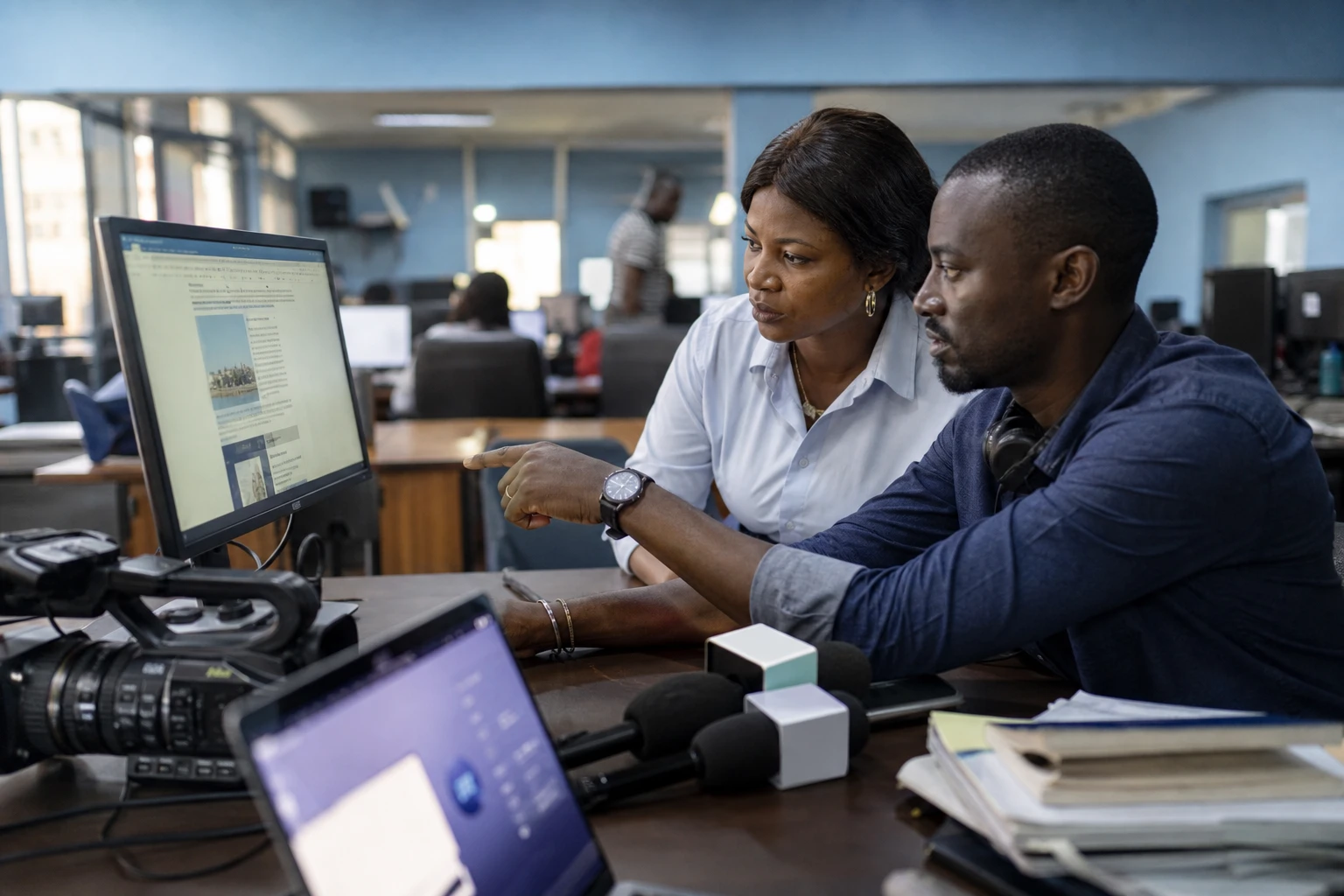
For the Democratic Republic of the Congo, every new diplomatic opening matters more while the east remains unstable and negotiations are also taking place in New York, Geneva and Jerusalem. Thérèse Kayikwamba Wagner’s visit to Israel fits this approach: expanding channels without losing sight of the urgent security situation in the country’s east.
The visit comes as the DRC holds a non-permanent seat on the United Nations Security Council for 2026-2027, and is due to hold the Council’s rotating presidency in July 2026. Kinshasa is therefore seeking to turn this visibility into concrete leverage. At the same time, Congolese diplomacy is maintaining a consistent position on peace, international law and the protection of civilians, particularly on Ukraine and the Middle East.
Two memorandums to give shape to a still discreet rapprochement
In Jerusalem on 27 July 2026, the Congolese foreign minister met her Israeli counterpart, Gideon Sa’ar. The meeting concluded with the signing of two memorandums of understanding: one on political and diplomatic consultations, the other on co-operation between the two countries’ diplomatic academies. Congolese officials describe the texts as a step towards a higher level of bilateral relations.
The format chosen is significant. A framework for regular consultations can establish institutional exchanges, rather than leaving the relationship dependent solely on political visits. Co-operation between diplomatic academies, meanwhile, is intended to train officials, an area that is often more durable than one-off announcements. For Kinshasa, the aim is to make its international presence more professional. For Israel, it is also a way to consolidate a broader presence in Africa, amid growing diplomatic competition across the continent.
Discussions focused on eastern DR Congo and the Middle East. The Congolese message was clear: support peace efforts in the east, but without giving up on sovereignty and territorial integrity. Israel’s foreign minister highlighted the DRC’s place on the Security Council and cited Israeli co-operation, notably through MASHAV, Israel’s international co-operation agency.
Useful diplomacy, but its concrete effects remain to be proven
The rapprochement between the DRC and Israel did not begin this week. In 2025, Israeli President Isaac Herzog’s visit to Kinshasa had already sent a strong signal about bilateral relations. In 2023, Félix Tshisekedi met Benjamin Netanyahu on the sidelines of the United Nations General Assembly in New York. The current sequence therefore confirms continuity rather than a sudden shift.
In practical terms, commercial ties between the two countries remain limited. ITC Trade Map data show that trade between them remains modest relative to the needs of the Congolese economy. The issue is therefore not a major trading partnership, but the gradual development of political, technical and security co-operation.
In a country where diplomacy is also seeking to attract investment, this caution matters. Congolese officials want to show that the DRC is not merely a place of tensions, but an actor that negotiates, arbitrates and speaks out in multilateral forums. For the population, the impact will be measured less by communiqués than by results: the training of diplomats, technical support, clearer economic exchanges and, above all, a greater ability to defend the country’s interests on sensitive issues.
What Kinshasa wants to achieve in regional and global forums
The DRC now speaks from a more exposed position. By presiding over the Security Council in July 2026, it can link its national priorities to global debates on conflicts, natural resources and peace. This gives its diplomacy greater weight, including in bilateral discussions with Israel, whose foreign policy in Africa combines technical co-operation, security and strategic influence.
For Central Africa, this sequence also matters because it shows that a state in the region can use the tools of multilateralism to defend its interests without being confined to local power struggles. The DRC’s stability remains a central issue in the region for the Southern African Development Community, SADC, and for broader security balances around the Great Lakes. Any diplomatic progress on eastern DR Congo therefore resonates beyond Kinshasa.
One simple question remains: how can these protocols be turned into tangible gains? The coming months will show whether the new memorandums deliver more than visits and polite words. If co-operation between the diplomatic academies gathers pace, consultations become regular and an economic agenda follows, the DRC-Israel rapprochement will have crossed a useful threshold. Otherwise, it will remain one more political signal in a highly active Congolese diplomacy still seeking visible results for people in Kinshasa and the provinces alike.