Algeria
 Egypt
 Libya
 Morocco
 Sudan
 Tunisia
 Benin
 Burkina Faso
 Cabo Verde
 Côte d'Ivoire
 Ghana
 Guinea
 Guinea-Bissau
 Liberia
 Mali
 Mauritania
 Niger
 Nigeria
 Sierra Leone
 The Gambia
 Togo
 Cameroon
 Central African Republic
 Chad
 DR Congo
 Equatorial Guinea
 Gabon
 Republic of the Congo
 São Tomé and Príncipe
 Burundi
 Comoros
 Djibouti
 Eritrea
 Ethiopia
 Kenya
 Madagascar
 Malawi
 Mauritius
 Mozambique
 Rwanda
 Seychelles
 Somalia
 South Sudan
 Tanzania
 Uganda
 Angola
 Botswana
 Eswatini
 Lesotho
 Namibia
 South Africa
 Zambia
 Zimbabwe
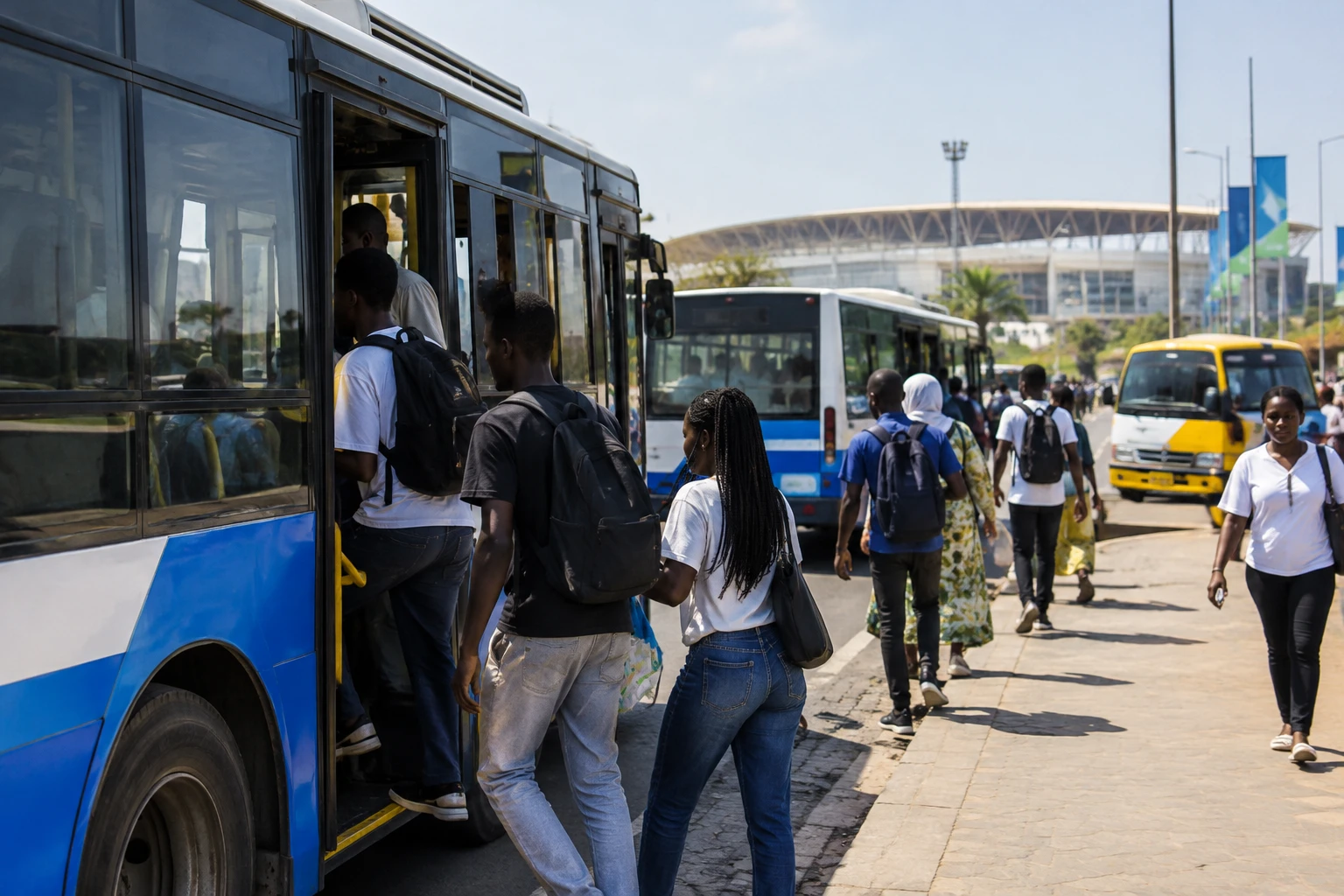
In Dakar, the Youth Olympic Games are about more than medals. They are also testing Senegal’s ability to host a global competition, keep its venues in use after the event and bring sport closer to its young people.
On Thursday 12 November 2026, events are entering their final days. The closing ceremony is scheduled for Friday 13 November. For Senegalese people, the Games have already brought unusual attention to sports contested on their soil, from futsal to beach wrestling and fencing.
A first Olympic event held in Africa
Dakar 2026 is the first edition of the Youth Olympic Games to be held on the African continent. The competition began on 31 October and is due to end on 13 November. It brings together young athletes in 25 sports, according to the International Olympic Committee (IOC). The event puts Senegal at the centre of the global sporting calendar, but its significance goes beyond international exposure alone.
Events are spread across several venues, including Dakar, Diamniadio and Saly. This puts transport, public access and coordination between local authorities and organisers to the test. It also distributes potential benefits beyond the capital, although economic gains and access to facilities are not automatically shared among all areas.
The Youth Olympic Games, which are for young athletes, combine competition with educational activities. They therefore provide a platform for emerging sports and talent. However, hosting a major event is not enough to guarantee lasting sporting pathways: training, coaching and regular access to facilities will matter after the ceremony.
From futsal to fencing, the final events
Thursday’s programme still includes futsal matches and fencing events. The official schedule lists futsal finals at Dakar Arena and fencing competitions at the Dakar Expo Centre. Beach wrestling took place on 7 and 8 November in Saly. These sports showcase different formats at venues some distance from one another.
This information comes from the competition schedule. On its own, it is not enough to assess Senegalese results or public attendance. Without independently consolidated data on these points, it is better not to turn the atmosphere described in accounts of the events into a statistic or a general finding.
The variety of sports nevertheless gives the Games practical significance for local audiences. Futsal is played indoors, bringing spectators closer to the action. Beach wrestling echoes a discipline familiar in the country, while fencing introduces young Senegalese people to a sport less visible in everyday sporting life. This diversity may broaden interest, but cannot in itself guarantee a lasting rise in the number of registered athletes.
Keeping the facilities in use after the Games
Preparations required coordination between the state, the organising committee and Olympic bodies. In August, the Senegalese government set deadlines for completing the finishing work at the Olympic Village and handing the facilities over to the organisers. This step illustrates the scale of the logistical task: the venues must serve competitions, delegations and residents to a precise timetable.
The next challenge will be using them after the teams have left. A sports facility creates lasting value only if it has a manager, a maintenance budget and organised access for clubs and schools. Needs differ in Dakar, Diamniadio and Saly. The authorities will therefore need to clarify who will operate the facilities and how young people will be able to train there.
The economic impact deserves the same attention. Senegalese businesses, workers involved in the Games, and transport and catering operators may benefit from the activity they generate. But the benefits vary according to location, contracts and the length of employment. One-off event spending must be distinguished from investments that continue to serve residents.
A regional test, then a legacy to measure
For West Africa, Dakar 2026 is a test of organisational capacity and sporting cooperation. Senegal is a member of the Economic Community of West African States (ECOWAS), which brings together countries in the region, but the Games are not an ECOWAS competition. Their regional significance lies instead in the exposure they give young African athletes and the experience gained by organisers.
The IOC describes this edition as the first Olympic event held in Africa. This milestone could strengthen the continent’s place in major sporting events. For that exposure to translate into tangible progress, national federations and public authorities will need to build on what has been achieved: training coaches, providing access to facilities and holding regular competitions for young people.
The ceremony on Friday 13 November will mark the end of the programme, not the end of the questions. Senegal’s assessment will need to cover the future use of the venues, local community participation and the continuation of investment in sport. The legacy of these Games will be measured against these criteria as much as against the results.