Algeria
 Egypt
 Libya
 Morocco
 Sudan
 Tunisia
 Benin
 Burkina Faso
 Cabo Verde
 Côte d'Ivoire
 Ghana
 Guinea
 Guinea-Bissau
 Liberia
 Mali
 Niger
 Nigeria
 Senegal
 Sierra Leone
 The Gambia
 Togo
 Cameroon
 Central African Republic
 Chad
 DR Congo
 Equatorial Guinea
 Gabon
 Republic of the Congo
 São Tomé and Príncipe
 Burundi
 Comoros
 Djibouti
 Eritrea
 Ethiopia
 Kenya
 Madagascar
 Malawi
 Mauritius
 Mozambique
 Rwanda
 Seychelles
 Somalia
 South Sudan
 Tanzania
 Uganda
 Angola
 Botswana
 Eswatini
 Lesotho
 Namibia
 South Africa
 Zambia
 Zimbabwe
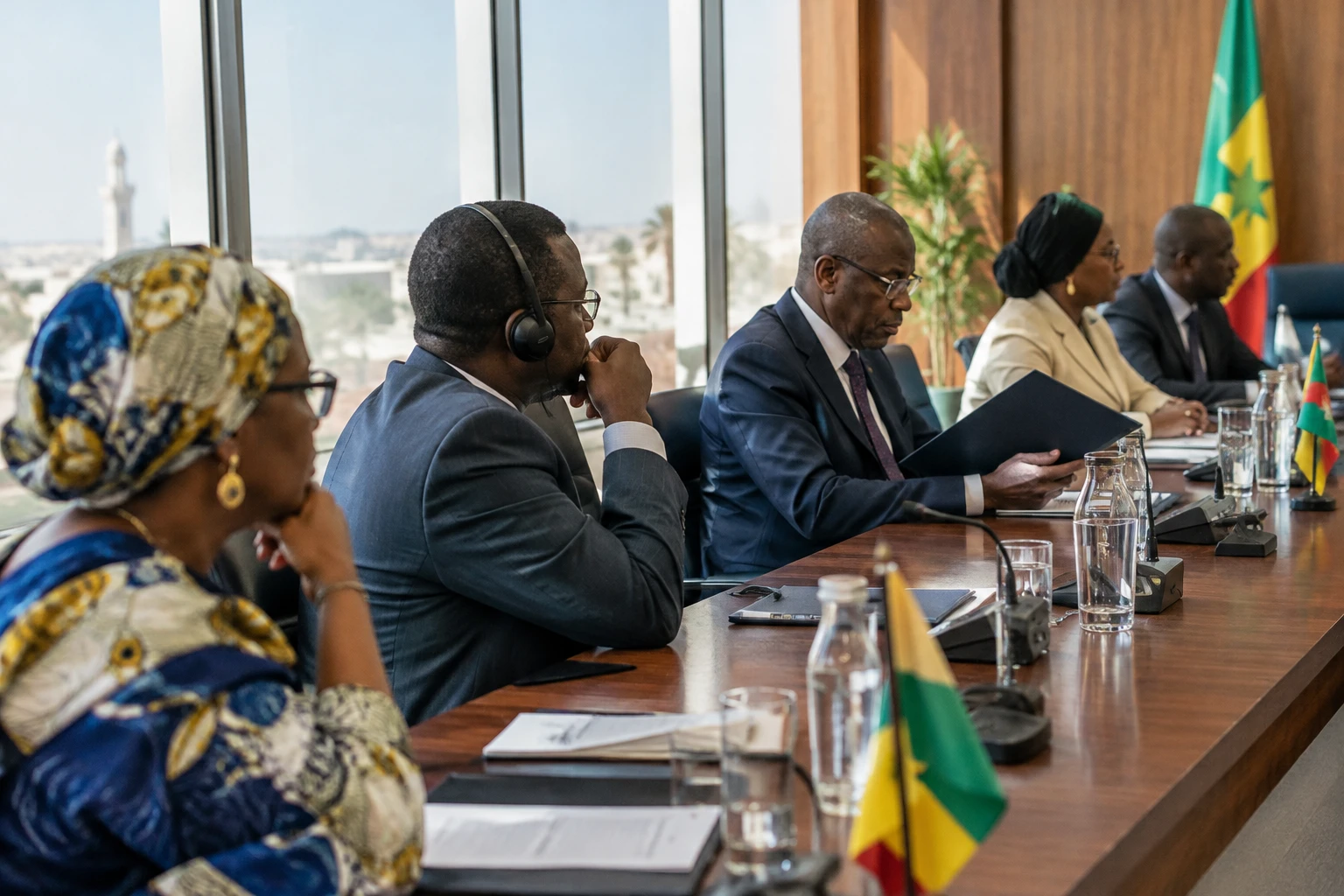
Can leaving the National Assembly give fresh weight to an opposition that believes it is no longer being heard? In Mauritania, Biram Dah Abeid has chosen to take his fight outside the chamber. His resignation opens a new political chapter without resolving the accusations he has levelled at the government.
Departure announced during political debate
On Monday 9 November 2026, Biram Dah Abeid announced his resignation as an MP during a National Assembly session devoted to the government’s general policy. Two Mauritanian media outlets reported the statement that same evening. The MP said he wanted to continue his opposition through legal means and action on the ground.
He presented his departure as a protest against the way the country is being run and against corruption. He also said that, in his view, parliamentary debates no longer allowed things to move forward. His allegations against serving officials are part of his political intervention: no judicial ruling establishing their guilt is cited in the reports consulted. The Mauritanian report on his announcement states that he intends to continue his opposition legally and on the ground.
The immediate institutional implications of his departure remain to be clarified. The available reports announce his resignation but do not yet detail the parliamentary procedure or the consequences for his seat. The political announcement must therefore be distinguished from its formal effects in the Assembly.
An opposition facing a dominant majority
The decision comes in a parliament where the ruling party, El Insaf, holds a substantial majority. After the 2023 legislative elections, it won 107 of the 176 seats. The opposition party Tawassoul won 11. These results do not capture all the country’s political currents, but they illustrate the balance of power facing opposition MPs.
The Inter-Parliamentary Union also notes that several opposition parties denounced fraud after the first round of the 2023 legislative elections, allegations disputed by the Independent National Electoral Commission. This persistent disagreement over electoral trust fuels tensions between the majority and the opposition. The Inter-Parliamentary Union’s data on the vote document both the distribution of seats and the objections raised.
Biram Dah Abeid has been part of this political scene for several years. He was elected as an MP in 2018 while in detention, then re-elected in 2023 as part of an opposition alliance. In the presidential election on 29 June 2024, the Constitutional Council credited him with 22.10 % of the votes cast, against 56.12 % for Mohamed Ould Cheikh El Ghazouani. These official figures confirm his position among the leading electoral voices opposed to the president.
The ground: visibility and limits
By leaving the chamber, the opposition figure is choosing a space where he can address citizens directly, organise public appearances and bring his issues back to the centre of debate. But this strategy also costs him an institutional platform. Parliament allows MPs to question ministers, debate legislation and make disagreements visible in official records. The practical impact of his resignation will therefore depend on how he maintains a political presence without a mandate.
His activism goes beyond denouncing corruption. Biram Dah Abeid leads the Initiative for the Resurgence of the Abolitionist Movement (IRA), which raises the alarm over the persistence of slavery and related practices. The Mauritanian state says it has legislated against slavery and disputes that it persists as a practice. The 2015 law criminalises slavery and provides for specialised courts; this legal framework alone, however, is not enough to settle the debate over its implementation and the conditions experienced by those concerned.
This issue cuts across political representation and access to justice, beyond the experience of any one elected official. It directly concerns people who report situations of enslavement or discrimination, as well as the institutions responsible for investigating and judging them. It would be excessive to present the IRA’s allegations as judicially established facts; it would be equally excessive to dismiss the issue on the grounds that the state has passed a law. The International Labour Organization’s legal database provides access to the 2015 Mauritanian law.
A national issue with regional ties
Mauritania occupies a crossroads between West Africa and the Maghreb. It left the Economic Community of West African States (ECOWAS), the West African regional integration organisation, in 2000, then signed an association agreement with it in 2017. It is also a member of the Arab Maghreb Union, which brings together five countries in north-west Africa. This dual affiliation is a reminder that Mauritanian debates on representation, justice and institutions have regional significance, even though the country is not a full member of ECOWAS.
Dah Abeid’s resignation alone is not enough to conclude that there is an institutional crisis or to establish the truth of the corruption allegations. Rather, it raises a question about how democracy works: how can an opposition hold the government to account when it believes parliamentary debate has no effect? The answer will be measured by what he does next, the authorities’ response and the Assembly’s ability to sustain debate between opposing views. The official account of Mauritania’s regional commitments sets out its status with ECOWAS and the Arab Maghreb Union.