Algeria
 Egypt
 Libya
 Morocco
 Sudan
 Tunisia
 Benin
 Burkina Faso
 Cabo Verde
 Côte d'Ivoire
 Ghana
 Guinea
 Guinea-Bissau
 Liberia
 Mauritania
 Niger
 Nigeria
 Senegal
 Sierra Leone
 The Gambia
 Togo
 Cameroon
 Central African Republic
 Chad
 DR Congo
 Equatorial Guinea
 Gabon
 Republic of the Congo
 São Tomé and Príncipe
 Burundi
 Comoros
 Djibouti
 Eritrea
 Ethiopia
 Kenya
 Madagascar
 Malawi
 Mauritius
 Mozambique
 Rwanda
 Seychelles
 Somalia
 South Sudan
 Tanzania
 Uganda
 Angola
 Botswana
 Eswatini
 Lesotho
 Namibia
 South Africa
 Zambia
 Zimbabwe
In Daba, a locality in the Kati cercle near Bamako, families are waiting for answers about the deaths of five men. The case raises a central question for residents: how can civilians be protected when security operations themselves are under scrutiny?
Accounts from relatives and local officials
Jeunesse Pulaaku Internationale says Malian soldiers arrived in Daba on the morning of Thursday 5 November. According to the association, they arrested five people in their homes, set fire to one of the homes and then took them away. Their bodies were later reportedly found mutilated.
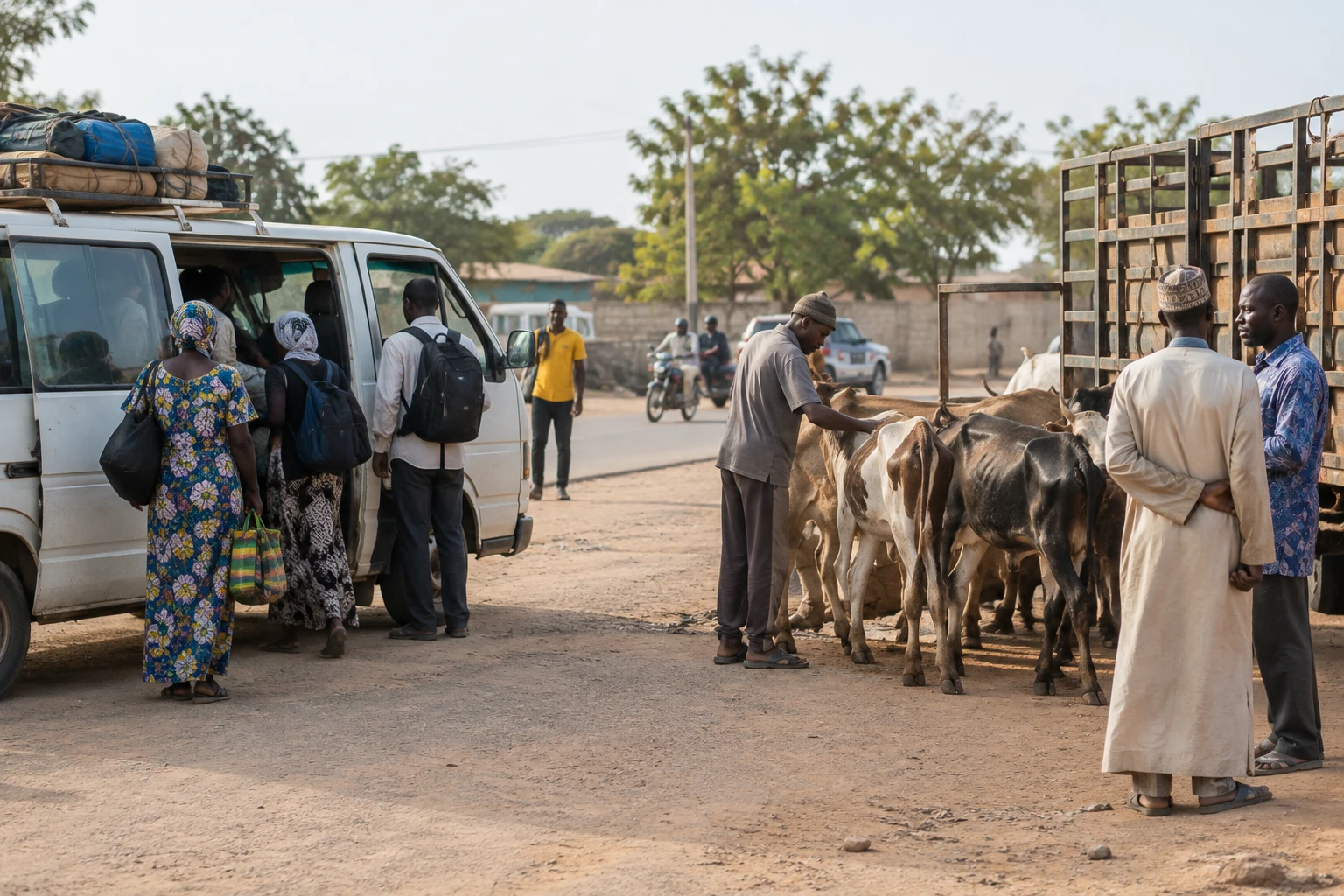
The association’s president, Hamadoun Dicko, says the information was cross-checked with the victims’ relatives and local elected officials. The organisation describes the five people as civilians aged 17, 50, 55, 70 and 80. The working-age men reportedly transported livestock to the Kati market.
At this stage, these details remain attributed to the association and the testimony it has reported. The Malian army has not commented on the operation. The available information therefore does not make it possible to independently establish the full sequence of events or the individual responsibility of those involved.
Protection and trust at stake
The account places the operation in an area near Bamako, but its consequences extend beyond the village. Families need to know what happened to their relatives and to be able to obtain an impartial investigation. Residents who make their living transporting livestock, meanwhile, depend on safe journeys to markets. Any alleged arrest or confiscation can undermine these activities and heighten fear.
The alleged link to cattle transport deserves particular attention. In itself, it is not evidence of armed activity. In regions where insurgent groups recruit and security forces seek out suspected supporters, conflating an occupation or community affiliation with collaboration with an armed group can expose civilians to serious risks.
This issue arises against a backdrop of documented violence against civilians in Mali. In its 2026 World Report, Human Rights Watch recorded several allegations of executions, detentions and property destruction during military operations, particularly against Peul people. These precedents do not establish what happened in Daba, but they underscore the importance of verifying identities, protecting witnesses and conducting prompt investigations.
The regional framework has changed, but obligations remain
Mali has been governed by military transitional authorities since the coups of 2020 and 2021. Regionally, its withdrawal from ECOWAS — the Economic Community of West African States — took effect on 29 January 2025, alongside those of Burkina Faso and Niger. The three countries have since strengthened their co-operation through the Alliance of Sahel States.
Leaving ECOWAS has reshaped West African political relations, but it does not remove the requirements to protect civilians under international humanitarian law. If the reported facts are confirmed, the deliberate killing of people not participating in hostilities and the abuse of bodies could constitute serious violations. A definitive legal classification would, however, depend on an investigation and an examination of the circumstances.
For the authorities, a credible investigation would clarify what happened and identify any responsibility. For residents, it is also key to being able to continue trading and travelling without suspicion because of their occupation or community. The stakes are particularly tangible in the Kati cercle, on the outskirts of the capital.
What to watch next
The next step is to establish the facts independently: identify the victims, conduct forensic examinations, gather testimony securely and verify the circumstances of their arrest and deaths. The response from the military authorities, as well as any decision to open a judicial investigation, will show whether the allegations are being addressed.
Across West Africa and the continent, the case is a reminder that the fight against armed groups cannot be separated from the accountability of public forces. The African Union and human rights organisations are already monitoring abuses attributed to the various parties to the conflict in Mali. The Daba case will test the ability of national mechanisms to protect civilians and ensure accountability, including when members of the security forces are implicated.