Algeria
 Egypt
 Libya
 Morocco
 Sudan
 Tunisia
 Benin
 Burkina Faso
 Cabo Verde
 Côte d'Ivoire
 Ghana
 Guinea
 Guinea-Bissau
 Liberia
 Mali
 Mauritania
 Niger
 Nigeria
 Senegal
 Sierra Leone
 The Gambia
 Togo
 Cameroon
 Central African Republic
 Chad
 DR Congo
 Equatorial Guinea
 Gabon
 Republic of the Congo
 São Tomé and Príncipe
 Burundi
 Comoros
 Djibouti
 Eritrea
 Ethiopia
 Kenya
 Madagascar
 Malawi
 Mauritius
 Mozambique
 Rwanda
 Seychelles
 Somalia
 South Sudan
 Tanzania
 Uganda
 Angola
 Botswana
 Eswatini
 Lesotho
 Namibia
 South Africa
 Zambia
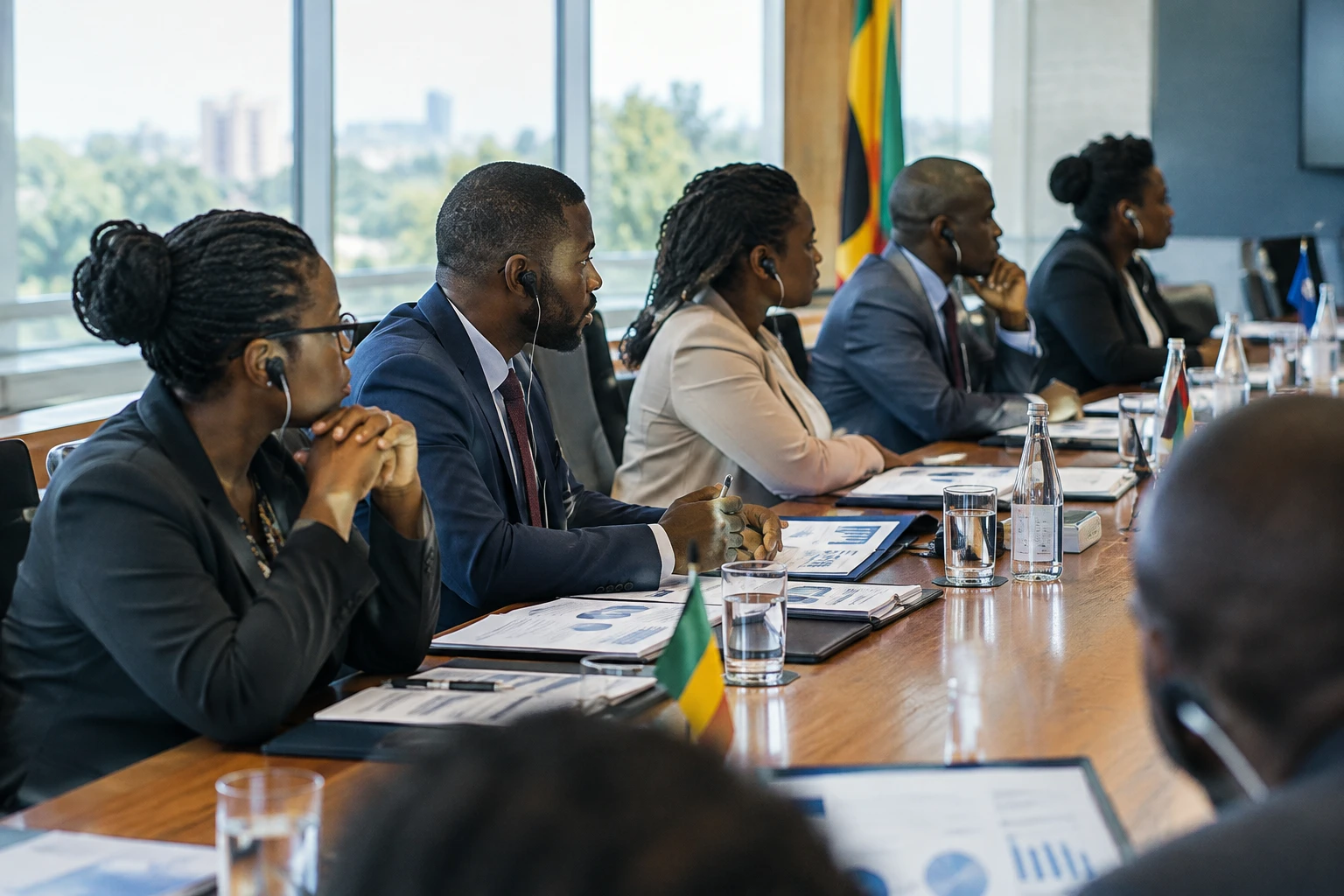
In Zimbabwe, Wicknell Chivayo’s death has not closed the debate he stirred. It has made it more urgent: how did a businessman who became famous for his gifts and political connections build such a fortune, and what will happen to the public contracts associated with him?
A public figure between generosity and suspicion
On 30 September 2026, Wicknell Chivayo and his wife Lucy Muteke died when a helicopter crashed near Marondera, east of Harare. The authorities said that all five people on board had died. The cause of the crash had not been established by the following day, as investigators examined the wreckage and the aircraft’s data.
Their deaths prompted tributes, but also sharply contrasting reactions. Chivayo had made his wealth a public spectacle: luxury cars, private jet trips and gifts of cash or vehicles, extensively showcased on social media. Artists, religious leaders, sports figures and politicians were among the beneficiaries.
To his admirers, he shared a fortune few Zimbabweans could imagine. To his critics, his highly visible generosity raised another question: who benefited, and where did the money come from? The controversy alone does not establish wrongdoing. It does, however, reveal the mistrust surrounding fortunes linked to public contracts and connections to those in power.
His openly displayed closeness to President Emmerson Mnangagwa and several regional leaders reinforced the impression that he enjoyed privileged access. Chivayo posted pictures of meetings with heads of state, including Kenyan President William Ruto. These relationships reached beyond Zimbabwe: in Kenya, too, his prominence fuelled debate and criticism.
Gwanda, a test of public procurement
Chivayo’s career was inseparable from Intratrek Zimbabwe, the company he ran. In 2015, the state-owned Zimbabwe Power Company awarded it a contract, alongside a Chinese technical partner, for a 100-megawatt solar power plant in Gwanda, in the south of the country. The contract was worth more than $170 million.
The project was not completed, despite an advance payment of several million dollars to Intratrek. MPs and observers questioned the company’s ability to deliver it. Chivayo had acknowledged that Intratrek lacked solar construction expertise and described its partner as the provider of technical know-how. The company, for its part, disputed allegations of failure.
The case also involved legal battles. Zimbabwe Power Company tried to terminate the contract, but the Supreme Court upheld its validity. MPs later noted the lack of progress and examined the company’s role. Zimbabwean media outlet CITE reported that $5.7 million had been advanced to Intratrek.
A few weeks before the crash, the project received fresh authorisation to proceed, subject to a 24-month deadline. The revival now leaves a practical question: the contractual obligations remain with Intratrek, but its leader’s death may complicate the project’s delivery. The government will need to clarify who is responsible for carrying it out and how the funds already committed will be monitored.
Gifts that raise questions about public accountability
Chivayo gave gifts to individuals and institutions. He notably donated vehicles and announced a contribution of 20 ambulances to the public health system. Schools also received buses or other assistance. These gestures may have met immediate needs. But they are no substitute for regular public funding or services available to everyone.
This is where some of the unease expressed in Zimbabwe lies. A private donor can help a community, but when gifts are directed at influential figures and ostentatiously publicised, they blur the line between philanthropy, influence and political communication. That ambiguity deserves to be documented, without turning suspicions into a verdict.
The contrast is all the more striking because public resources are contested between infrastructure, healthcare, education and electricity supply. For rural residents and city dwellers alike, the issue is not just who received a car. It is understanding why some collective projects remain unfinished while significant sums circulate around state contracts.
A test for Zimbabwe and southern Africa
The Gwanda case goes beyond Chivayo’s personal story. It tests Zimbabwean institutions’ ability to enforce a contract, verify how advances are used and protect the public interest, even when the company involved is associated with a figure close to those in power. Court rulings and parliamentary findings are distinct elements; neither removes the need for transparent monitoring of the project.
Zimbabwe is a member of the Southern African Development Community (SADC), which brings together 16 countries and promotes, among other things, regional economic integration. Major energy projects and procurement rules matter across the region: well-monitored projects can boost output and trade, while delays undermine the confidence of citizens and partners.
The next step, then, will be less about debate over Chivayo’s posthumous image than about the practical oversight of his business affairs. For Gwanda, it will be necessary to establish whether construction actually begins, on what timetable and under what oversight. More broadly, the case is a reminder that a spectacular gift does not answer questions about transparency. The traceability of funds and completion of infrastructure will provide the measure of results.