Algeria
 Egypt
 Libya
 Morocco
 Sudan
 Tunisia
 Benin
 Burkina Faso
 Cabo Verde
 Ghana
 Guinea
 Guinea-Bissau
 Liberia
 Mali
 Mauritania
 Niger
 Nigeria
 Senegal
 Sierra Leone
 The Gambia
 Togo
 Cameroon
 Central African Republic
 Chad
 DR Congo
 Equatorial Guinea
 Gabon
 Republic of the Congo
 São Tomé and Príncipe
 Burundi
 Comoros
 Djibouti
 Eritrea
 Ethiopia
 Kenya
 Madagascar
 Malawi
 Mauritius
 Mozambique
 Rwanda
 Seychelles
 Somalia
 South Sudan
 Tanzania
 Uganda
 Angola
 Botswana
 Eswatini
 Lesotho
 Namibia
 South Africa
 Zambia
 Zimbabwe
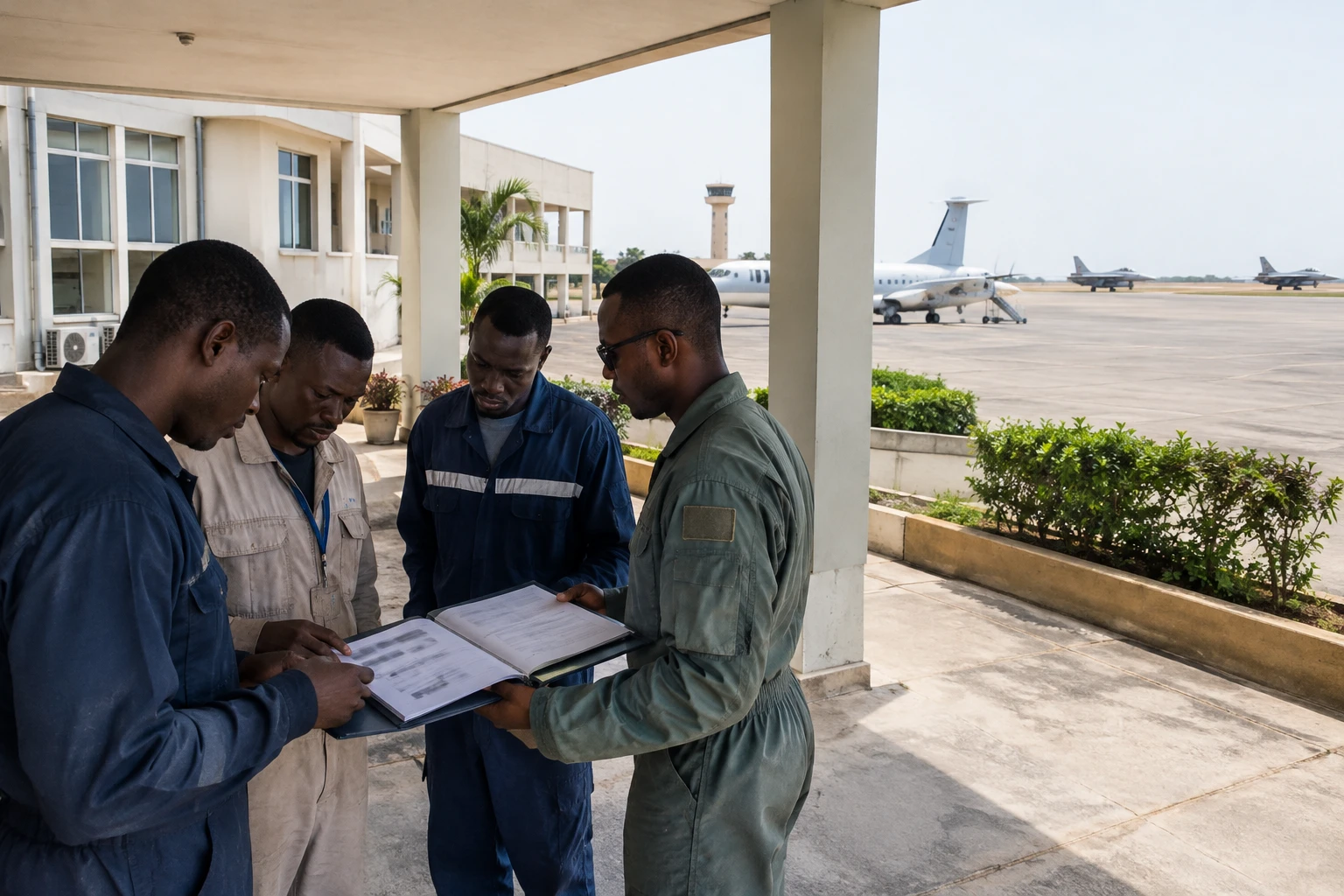
Can a stopover lasting a few hours reopen a broken military relationship? In Chad, the announced passage of French aircraft through N’Djamena is above all a test of the new rules for a partnership that the Chadian authorities had sought to redefine.
A brief return, not the return of a base
Two Mirage 2000 fighter jets and a CASA transport aircraft are due to make a technical stop in Chad shortly. The announcement was made on Thursday 29 October 2026 by French military headquarters spokesman Xavier Rival. Training activities are planned during the brief stopover.
The aircraft are part of an air exercise organised in November with French, Ivorian and Gabonese forces. According to details reported by several media outlets, the exercise is due to take place from 8 to 30 November in Côte d’Ivoire and Gabon. The French detachment will therefore transit through N’Djamena before joining the exercise.
This stopover does not mean that French troops are re-establishing a permanent presence in Chad. The last French soldiers left the country in January 2025, after the military installations were handed back. The distinction matters: temporary activity agreed between states is neither a base nor the automatic reinstatement of the former defence agreements.
Colonel Rival described the resumption of cooperation as taking place “in full respect of Chadian sovereignty”. This wording directly addresses N’Djamena’s political requirement: any new activity must be explicitly agreed and take place within a framework different from the one that was terminated.
Two years of rupture and redefinition
On 28 November 2024, Chad announced the end of the military cooperation agreement linking it to France. The decision led to the departure of French forces and brought to a close nearly six decades of structured military presence. It reflected Chad’s desire to regain control over the terms of the partnership, after a relationship long organised around a lasting French presence.
The rupture did not, however, mean that all dialogue had stopped. The two governments gradually resumed exchanges. On 13 October 2026, Chadian President Mahamat Idriss Déby Itno met Emmanuel Macron in Paris. The ministers responsible for defence signed a declaration of intent to structure cooperation on a new basis. Its detailed contents have not been made public in the accounts consulted.
The current sequence offers a first concrete glimpse of this rapprochement: training, a stopover and participation in a multinational exercise. Paris presents the cooperation as a way to contribute to regional stability and strengthen the capabilities of the Chadian air force. For N’Djamena, the challenge will be to ensure that the announced activities also meet its operational priorities and comply with its sovereignty framework.
The distinction between cooperation and military presence lies at the heart of the debate. Training can provide expertise or allow crews to practise together. But it does not, in itself, reveal what equipment will be supplied, what information will be shared, or whether commitments will be lasting. These questions will depend on future decisions and the arrangements to be communicated by the two governments.
Interests are measured differently
For the Chadian authorities, limited cooperation can support the armed forces’ training without restoring a permanent foreign presence. It also sends a signal to partners: N’Djamena can resume ties with Paris, but intends to decide on the format and timetable. The October declaration of intent provides a political framework; the announced stopover puts its initial arrangements to the test.
For France, the exercise makes it possible to maintain operational ties with several African armed forces at a time when its military footprint on the continent has been substantially overhauled. The operation links Chad to an exercise that also involves Côte d’Ivoire and Gabon. This does not mean that the three countries share the same expectations of Paris: their military relationships and cooperation choices are distinct.
For the public, the announcement remains remote from everyday concerns unless it leads to visible effects on security and the capacity of national institutions. In areas exposed to armed threats, the issue is notably the protection of residents and the forces’ ability to respond. In N’Djamena, the debate also concerns political oversight of agreements and transparency over commitments. It would be premature to infer from this stopover alone that security has improved.
A test watched in Central Africa and beyond
Chad is a member of CEMAC, the economic and monetary community bringing together six Central African countries, including Gabon. Côte d’Ivoire, meanwhile, is in West Africa. The exercise therefore links partners from several regional areas, without replacing African security organisations or the sovereign decisions of each state.
The operation’s continental significance lies less in the number of aircraft than in the model of relations that could emerge: limited missions negotiated on a case-by-case basis, rather than a permanent presence inherited from previous agreements. This model will be credible only if responsibilities, training objectives and the conditions for access to the territory are clearly established.
The next steps to watch are the aircraft’s actual arrival, the nature of the training conducted in N’Djamena and the details of the cooperation announced in October. It will also be important to see whether the Chadian authorities publish their own assessment of the operation. For now, the facts point to a limited resumption of joint military activities, not a full return to the partnership as it stood before 2024.
For corroboration of the announcement and to place this development in context, see TV5MONDE’s report on the announced stopover, the Journal du Tchad’s coverage and the Anadolu Agency’s report on the October defence declaration.