Algeria
 Egypt
 Libya
 Sudan
 Tunisia
 Benin
 Burkina Faso
 Cabo Verde
 Côte d'Ivoire
 Ghana
 Guinea
 Guinea-Bissau
 Liberia
 Mali
 Mauritania
 Niger
 Nigeria
 Senegal
 Sierra Leone
 The Gambia
 Togo
 Cameroon
 Central African Republic
 Chad
 DR Congo
 Equatorial Guinea
 Gabon
 Republic of the Congo
 São Tomé and Príncipe
 Burundi
 Comoros
 Djibouti
 Eritrea
 Ethiopia
 Kenya
 Madagascar
 Malawi
 Mauritius
 Mozambique
 Rwanda
 Seychelles
 Somalia
 South Sudan
 Tanzania
 Uganda
 Angola
 Botswana
 Eswatini
 Lesotho
 Namibia
 South Africa
 Zambia
 Zimbabwe
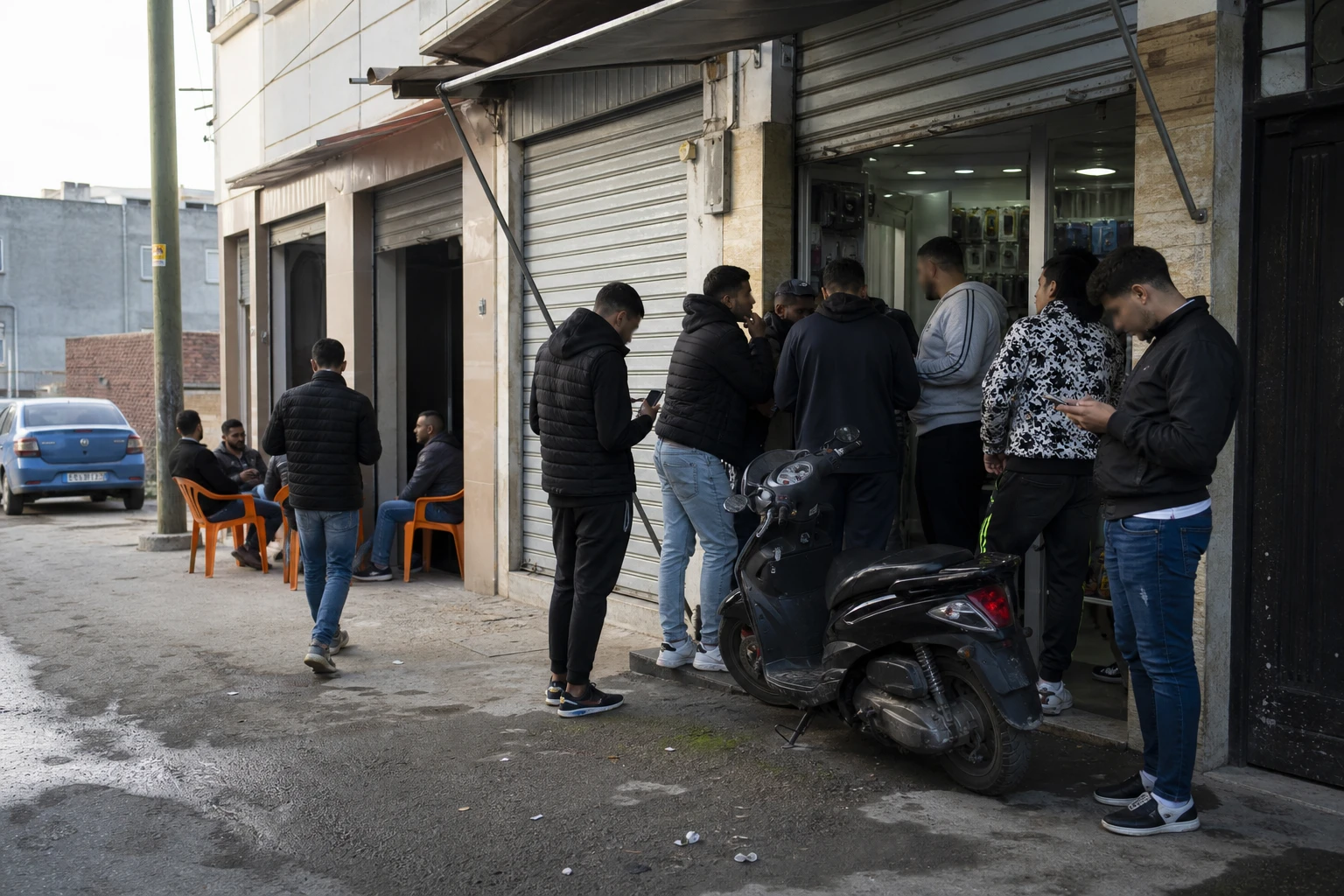
How a digital rumour can shift an entire border
In Fnideq, in northern Morocco, a few messages can sometimes raise tensions along the line separating the Moroccan city from the Spanish enclave of Ceuta. On phones, a hashtag, a date, a promise that the crossing will open. Then the border becomes a target, and the sea a gamble.
This latest episode is a reminder of a reality well known to Moroccan and Spanish authorities: Ceuta remains a sensitive point, at once border-related, social and political. The city is under Spanish sovereignty, but is adjacent to northern Morocco, in an area where movement, economic aspirations and documented tensions have been intertwined for years.
What the facts say about the current situation
Moroccan authorities announced a security reinforcement after online messages falsely claimed that the crossing into Ceuta would open and called for mass crossings. According to information reported by the international press, the Interior Ministry referred to the “exploitation of the digital sphere” and a disinformation campaign.
Rising tensions come amid an already exceptional migration crisis. In July 2026, around 72,000 people crossed irregularly into Ceuta over a few days, according to figures corroborated by several international media outlets. Most were subsequently returned to Morocco, but Spanish authorities say they are still dealing with the presence of several thousand people there.
Moroccan authorities have also launched legal proceedings against people suspected of circulating or organising these calls. In September 2024, Rabat had already announced the arrest of 152 people for inciting illegal migration to Ceuta via social media, showing that the judicial response is now complementing the police toolkit.
Why Fnideq and Ceuta are such flashpoints
Fnideq, known locally as Castillejos, is much more than a simple crossing point. It is a border town caught between the informal economy, the wait for stable jobs and the closure of regular channels for movement. When a rumour spreads, it finds fertile ground: a large youth population, high unemployment and extensive circulation of content on TikTok, Facebook, Instagram and WhatsApp.
Researchers and digital observers in Morocco have noted for several years that widespread use of social media also encourages the spread of misleading information. In this case, the rumour does not operate in isolation. It draws on older narratives: the perception of a porous border, migration pressure and the idea that a window for crossing might open briefly.
For Rabat, the stakes are twofold. On the one hand, it must prevent mass departures that expose young Moroccans to injury, disappearance and prosecution. On the other, the Kingdom wants to preserve close security cooperation with Madrid, which is essential to the joint management of a border that has become a major bilateral issue.
For families, the crisis comes at an immediate cost. Days of arrivals leave parents searching for a son, brother or cousin, while border municipalities have to absorb a sudden influx of people. The phenomenon initially affects young people in northern cities, but its effects are felt across the country, where social media can turn a desire to leave into a collective movement.
A local border, a regional signal
The Ceuta episode goes far beyond the face-off between Morocco and Spain. It is a reminder that border management in North Africa now depends as much on patrols as on digital platforms. Social media can accelerate departures, amplify rumours and bypass traditional alert channels.
It also highlights a broader political reality: relations between Rabat and Madrid remain shaped by security, migration and the control of movements, as well as by more sensitive historical issues surrounding Spain’s presence in northern Morocco. In this context, every crisis in Ceuta becomes a test of governance, cooperation and control of the public narrative.
Across the continent, the episode is of interest to all of North Africa. It shows how digital transitions, regional inequalities and migration aspirations can converge within a few hours. The next milestones to watch are straightforward: the effectiveness of the arrests announced in Morocco, the two countries’ ability to limit further departures, and how the authorities respond to online rumours before they turn into a mass movement.