Algeria
 Egypt
 Libya
 Morocco
 Sudan
 Tunisia
 Benin
 Burkina Faso
 Cabo Verde
 Côte d'Ivoire
 Ghana
 Guinea
 Guinea-Bissau
 Liberia
 Mali
 Mauritania
 Niger
 Nigeria
 Senegal
 Sierra Leone
 The Gambia
 Togo
 Cameroon
 Chad
 DR Congo
 Equatorial Guinea
 Gabon
 Republic of the Congo
 São Tomé and Príncipe
 Burundi
 Comoros
 Djibouti
 Eritrea
 Ethiopia
 Kenya
 Madagascar
 Malawi
 Mauritius
 Mozambique
 Rwanda
 Seychelles
 Somalia
 South Sudan
 Tanzania
 Uganda
 Angola
 Botswana
 Eswatini
 Lesotho
 Namibia
 South Africa
 Zambia
 Zimbabwe
In Bangui, fuel is more than a commodity
In the Central African Republic, every queue outside a petrol station tells a story beyond simply having to wait. It speaks to the country’s dependence on supply corridors, the place of oil taxes in public finances and the fragility of a market where even a minor disruption quickly affects transport, businesses and the cost of everyday goods. The vote in Bangui on 13 July 2026 is rooted in this very tangible reality.
The issue goes beyond hydrocarbons alone. In the CAR, a landlocked country in Central Africa, most fuel arrives by road from Cameroon and, to a lesser extent, by river via the Congo and Oubangui basins. Decisions in this sector therefore affect state revenues, price stability in Bangui and trade with CEMAC, the Central African Economic and Monetary Community.
A law to reopen a closed market
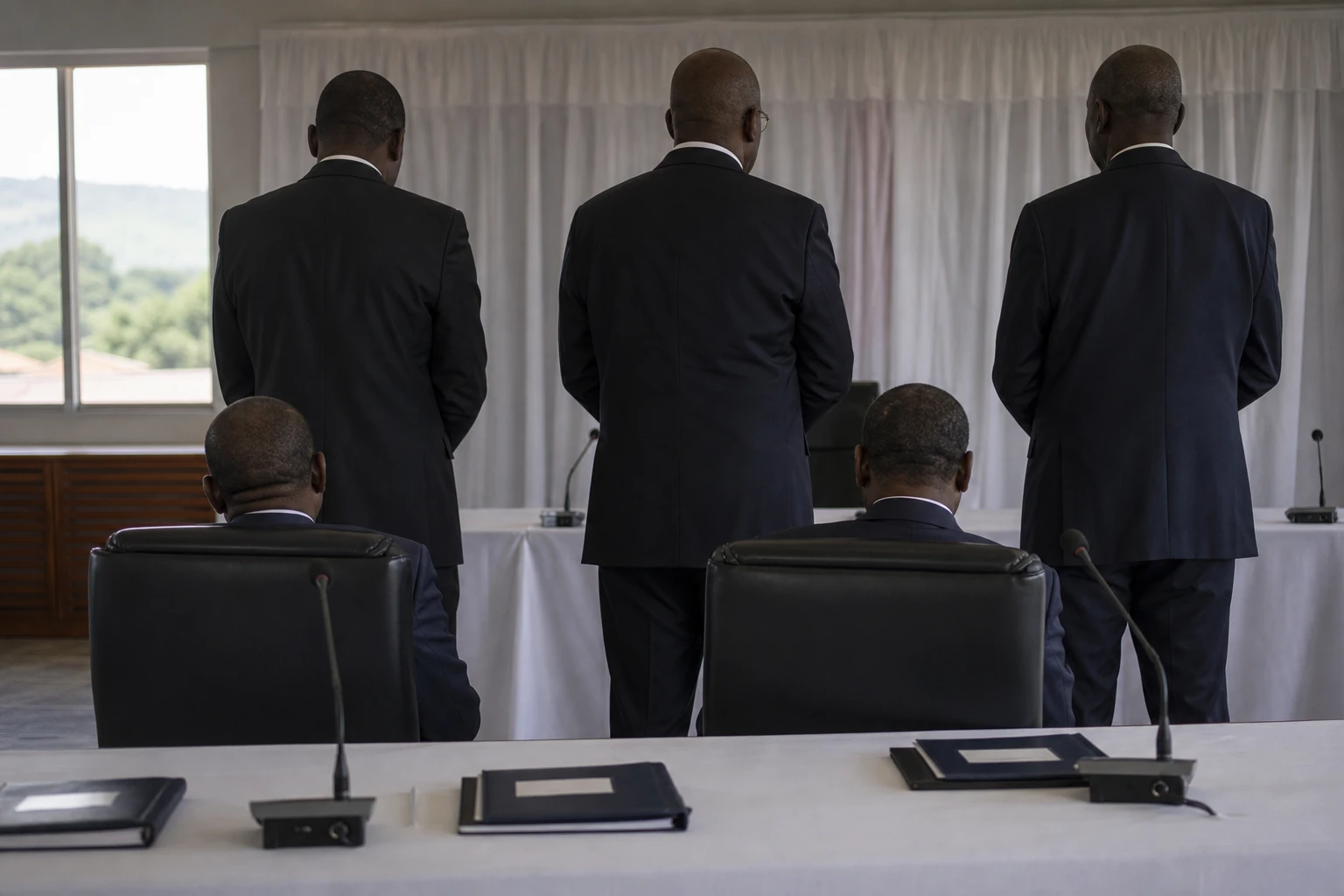
The National Assembly adopted a bill on 13 July 2026 to reorganise the downstream petroleum sector in the Central African Republic. Radio Ndeke Luka reported that the bill was passed unanimously, while other Central African media reported that it was adopted by acclamation and referred for a compliance review before promulgation.
The core of the reform is clear: imports of petroleum products and derivatives are officially liberalised. The law allows new operators to apply for a licence and compete with Neptune Oil, a Cameroonian company that had in effect held exclusive import rights since 2023. Before then, several groups were active in the market, including Tamoil, Tradex and Tristar.
The law also requires all importers to use a bonded depot. This requirement is intended to improve the tracking of flows, secure tax collection and reduce revenue losses. The Central African authorities know that fuel weighs heavily on public accounts. Official sources and audit work point out that taxes and duties on petroleum products account for a significant share of state revenues.
However, the law does not settle the question of how pump prices are structured. This is precisely where criticism is fiercest. A final audit by the Finance Ministry, dated 21 October 2025, found that the price structure does not comply with the methodology set out in the decree of 17 June 2024 and that some price components are not provided for under that framework. The document also notes that Neptune Oil does not supply the Kolongo depot in sufficient quantities, leading to occasional shortages.
The background: shortages, monopoly and road transport costing more than river transport
To understand the significance of this law, it is necessary to go back to the 2022-2023 crisis. The IMF says discussions on the sector began at the height of the shortages, in November 2022, when fuel scarcity fuelled smuggling and led to fires in several neighbourhoods around Bangui. In February 2023, a technical assistance mission was dispatched to work on price transparency, tax predictability and the centralisation of imports.
The same IMF document says the action plan aimed to make prices easier to understand, cap import margins and organise fuel purchases through a transparent mechanism. It also notes that in June 2024, a presidential decree made online publication of price structures mandatory, but implementation ran into several obstacles.
The 2025 audit sheds light on the system’s practical effects. It points out that most of the volumes imported by Neptune Oil are transported by road, although a 2012 decree stipulates that at least 80% should be transported by river. The report recommends increasing the share of river transport, which is less costly, and negotiating with other importers to stabilise supply.
This logistical dimension is essential for the CAR. The Bangui-Douala corridor, like routes coming from the DRC, is used for more than fuel. These routes also determine the delivery of food, construction materials and some informal trade. When fuel is scarce, the entire urban transport chain grinds to a halt, from motorcycle taxis to small freight operators.
What the reform changes, and for whom
For the Central African state, the new law first and foremost serves an administrative sovereignty imperative. It seeks to regain control of a strategic segment after months of tensions over the import monopoly, shortages and the opacity of some costs. It also aims to reassure financial partners, as the authorities have made repeated reform commitments under the IMF-supported programme.
For private operators, the message is more direct: the door is open again, but not without oversight. Those wishing to return to the market will have to obtain a licence and agree to use the bonded depot. In practice, this could rebalance competition. But it guarantees neither lower prices nor an immediate increase in volumes if infrastructure, financing and corridors remain constrained.
For households in Bangui, the test will be simpler: will petrol stations be better supplied, more regularly and at a more predictable cost? The question is crucial because fuel prices have knock-on effects on urban transport, essential goods and the cost of informal work, which provides a large share of incomes in the city.
For public finances, finally, the stakes go beyond the price of a litre of fuel. If the reform improves tax collection and reduces leakages, it could strengthen a tax administration that remains under pressure. If, by contrast, it changes the law without correcting margins, exemptions and transit costs, it will merely shift the problems elsewhere. The 2025 audit also stresses the need to review supporting documents for prices regularly and gain a better understanding of transit charges.
A reform under close scrutiny across Central Africa
The significance of this vote extends beyond Bangui. Across Central Africa, several landlocked countries or those dependent on cross-border corridors face the same equation: securing energy supplies without increasing the burden on households or opening too many loopholes for tax evasion. The CAR, a member of CEMAC, has put back on the agenda an issue shared by other capitals in the sub-region: regulating a fragile oil market, often exposed to rent-seeking and shortages.
What happens next will depend on implementation. Attention will turn to the law’s promulgation, the issuance of new licences, its real impact on supplies to Bangui and the administration’s ability to monitor prices without creating new rigidities. In the Central African Republic, this is often where the difference lies between reform in name and reform that works.