Algeria
 Libya
 Morocco
 Sudan
 Tunisia
 Benin
 Burkina Faso
 Cabo Verde
 Côte d'Ivoire
 Ghana
 Guinea
 Guinea-Bissau
 Liberia
 Mali
 Mauritania
 Niger
 Nigeria
 Senegal
 Sierra Leone
 The Gambia
 Togo
 Cameroon
 Central African Republic
 Chad
 DR Congo
 Equatorial Guinea
 Gabon
 Republic of the Congo
 São Tomé and Príncipe
 Burundi
 Comoros
 Djibouti
 Eritrea
 Ethiopia
 Kenya
 Madagascar
 Malawi
 Mauritius
 Mozambique
 Rwanda
 Seychelles
 Somalia
 South Sudan
 Tanzania
 Uganda
 Angola
 Botswana
 Eswatini
 Lesotho
 Namibia
 South Africa
 Zambia
 Zimbabwe
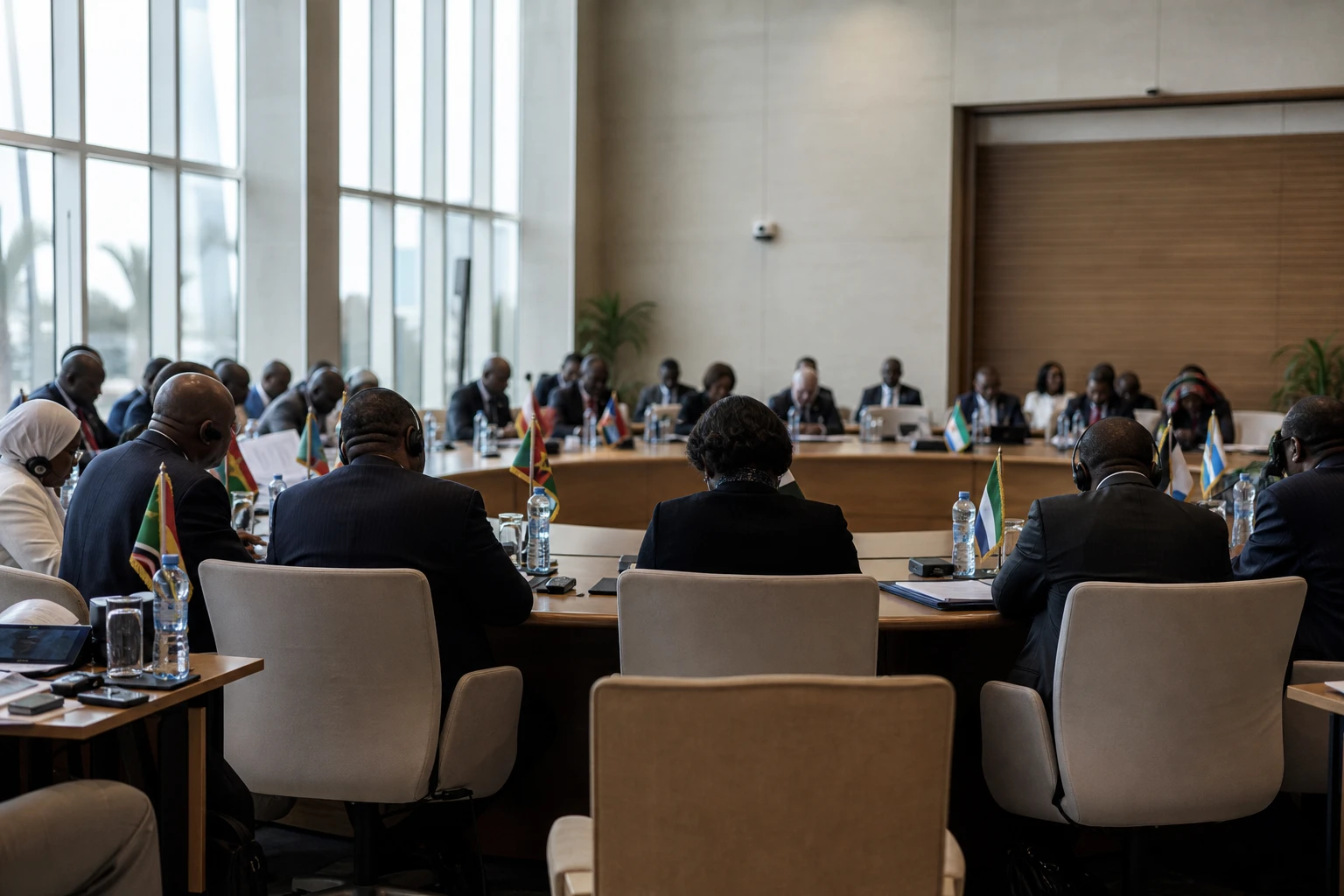
Cairo at the heart of mediation unfolding under the shadow of bombardment
With every new salvo on Gaza, the same question returns in Cairo, Doha and Ankara: how can a ceasefire be negotiated while conditions on the ground continue to deteriorate? The answer is more political than humanitarian, but civilians are the first to feel its effects, caught between strikes, breaches of the truce and the collapse of essential services.
For Egypt, this is no peripheral issue. Cairo shares a border with the Gaza Strip at Rafah, a strategic gateway for aid and indirect talks between the parties. Since the start of the war, Egypt, Qatar and the United States have played a central role in the mediation framework, while Turkey has emerged as a useful diplomatic actor among Arab and Muslim states seeking influence over Gaza’s post-war future.
Joint condemnation also sends a message to negotiators
On Monday 3 August 2026, Egypt, Qatar and Turkey condemned the latest Israeli strikes in the Gaza Strip in a joint statement reported by diplomatic sources and confirmed in an Associated Press dispatch. The three countries cited attacks on healthcare infrastructure and civilian buildings, describing them as violations of international law and international humanitarian law.
The message comes as casualty figures continue to change by the hour. AP reported 17 deaths overnight from Saturday to Sunday, while other reports gave an even higher toll, of more than 20 according to initial local accounts. In such circumstances, caution is warranted: the exact figure often depends on updates from Gaza’s health services and subsequent verification.
The thrust of the statement is clear: these capitals want to make clear that ceasefire negotiations cannot move forward while strikes continue against medical sites and residential areas. The choice of words is significant. It is intended to remind Israel that diplomatic pressure is coming not only from Western capitals, but also from regional states directly involved in the issue.
The statement is part of a series of coordinated positions. For several months, Egypt and Qatar have reiterated their shared commitment to securing a halt to the fighting, continuous humanitarian access and a more stable political framework for Gaza. Turkey, for its part, has issued repeated statements of solidarity with the Palestinian cause and calls to protect civilians.
What this means for Egypt, Gaza and the region
For Egypt, the stakes are twofold. On the one hand, it is defending its national security and control of the border issue. On the other, it is seeking to preserve its role as an indispensable mediator, as any weakening of that role would diminish its regional influence. Cairo also wants to prevent the war from triggering a mass displacement into Sinai, a scenario it has long rejected.
For Gaza, the joint condemnation does not immediately alter the military balance, but it matters in the diplomatic struggle. It is a reminder that mediators are not merely go-betweens. They are seeking to keep negotiations possible as the truce remains fragile, healthcare infrastructure comes under pressure and aid deliveries remain insufficient.
For the region, this position confirms a discreet but significant realignment. Egypt, Qatar and Turkey are now speaking with one voice on several Gaza-related issues, with occasional support from other Arab and Muslim capitals. This does not amount to a united front, but it lends greater weight to regional mediation that neither Israel nor the major powers can ignore.
This dynamic also has an African dimension. Egypt plays a pivotal role between North Africa, the Middle East and Arab institutions. Its position on Gaza resonates beyond its borders, particularly in African Union debates on international law, civilian protection and the credibility of multilateral mechanisms. At the same time, the issue is a reminder that a crisis in the Middle East has tangible effects on African diplomacy, security balances and relations with the continent’s partners.
The next phase will therefore unfold on two timelines. The first is military, with the risk of further strikes and rising civilian death tolls. The second is diplomatic, with contacts between mediators and the parties continuing. It is in this narrow and unstable space that Cairo’s ability to remain a central actor will be tested, without being confined to crisis management alone.