Algeria
 Egypt
 Libya
 Morocco
 Sudan
 Tunisia
 Benin
 Cabo Verde
 Côte d'Ivoire
 Ghana
 Guinea
 Guinea-Bissau
 Liberia
 Mali
 Mauritania
 Niger
 Nigeria
 Senegal
 Sierra Leone
 The Gambia
 Togo
 Cameroon
 Central African Republic
 Chad
 DR Congo
 Equatorial Guinea
 Gabon
 Republic of the Congo
 São Tomé and Príncipe
 Burundi
 Comoros
 Djibouti
 Eritrea
 Ethiopia
 Kenya
 Madagascar
 Malawi
 Mauritius
 Mozambique
 Rwanda
 Seychelles
 Somalia
 South Sudan
 Tanzania
 Uganda
 Angola
 Botswana
 Eswatini
 Lesotho
 Namibia
 South Africa
 Zambia
 Zimbabwe
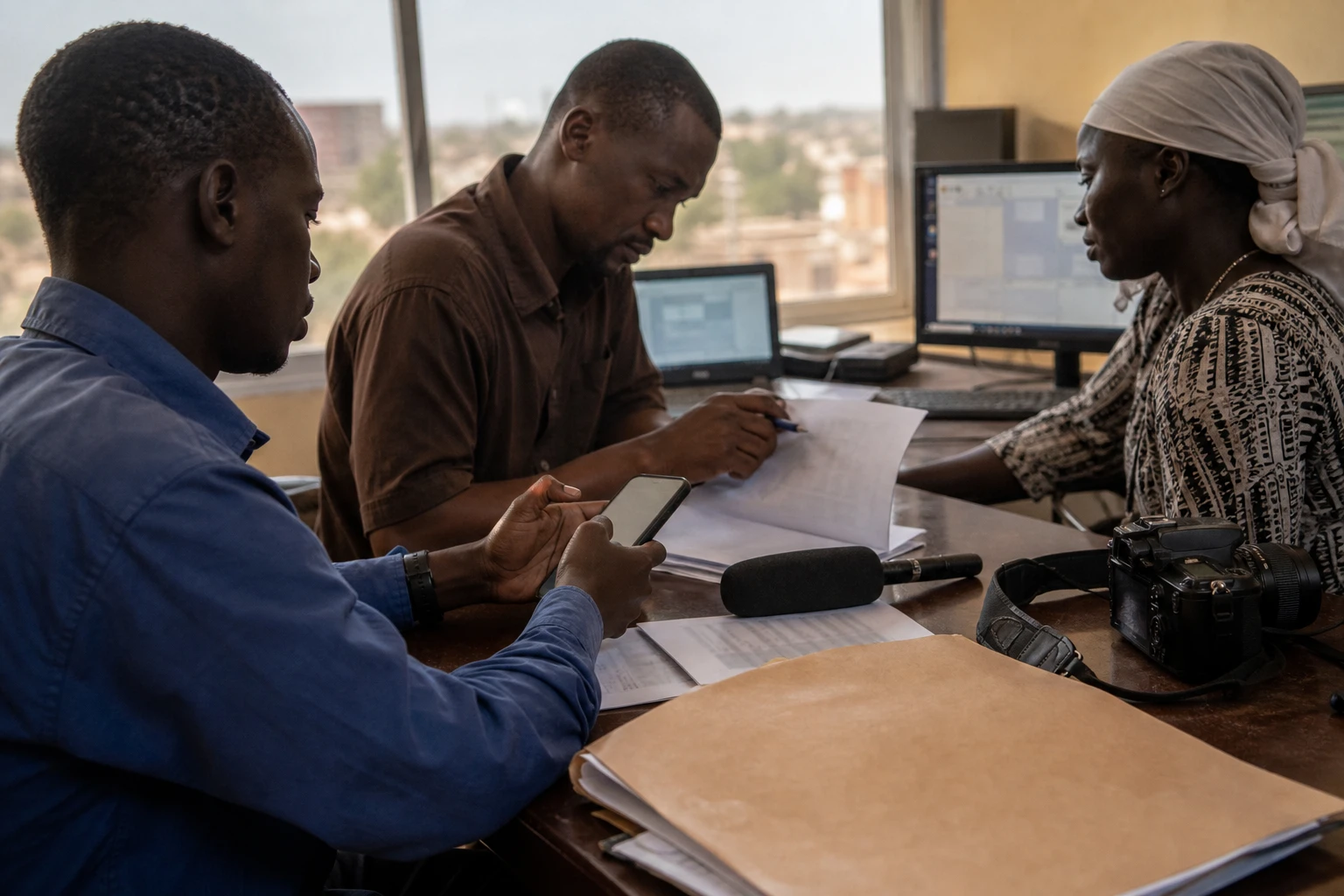
In Ouagadougou, the reported release of dozens of worshippers has put a sensitive question back at the centre of debate: how far can the Burkinabè state regulate religious expression without opening a new front of social tension? According to reports circulating on Sunday, nearly 80 supporters of Imam Mohamed Ishaq Kindo have reportedly been reunited with their families after several months in detention.
Mobilisation following the arrest of an influential imam
The case began on 26 May 2026 in Ouagadougou, with the arrest of Mohamed Ishaq Kindo. The Sunni preacher is also described as a leading figure in the Sunni Movement of Burkina Faso. The Federation of Islamic Associations of Burkina Faso said at the time that the circumstances and reasons for his arrest had not been officially disclosed.
A few days earlier, the imam had criticised a draft law on religious freedoms. The bill was adopted by the Council of Ministers on 19 March 2026. It provides, among other things, for tighter regulation of religious practices and the use of certain public spaces. The government says it aims to protect citizens and prevent religious excesses.
Those close to the imam saw his arrest as more akin to an abduction. His disappearance quickly prompted mobilisation in Ouagadougou. Worshippers called for his release and condemned the lack of public explanations about his situation.
The authorities subsequently closed the Sunni Movement’s main mosque in Ouagadougou. The measure was taken by the governor of the Kadiogo region, officially on grounds of risks to public order. The closure gave a collective dimension to a case that had initially centred on a religious leader.
These developments were reported by several media outlets, including West Africa Democracy Radio and the African Press Agency. BBC News Afrique also documented the imam’s arrest and the context surrounding the draft law.
Nearly 80 people reportedly released
The people released were reportedly arrested after an unauthorised demonstration in Ouagadougou to protest against the imam’s arrest. They were then taken to a training camp belonging to Burkina Faso’s national police.
The number cited is around 80 detainees. It should, however, be treated with caution, as no detailed official statement on all the releases has been made public in the available information. The safest wording, therefore, is that the release of nearly 80 people has been reported.
A video shared on social media shows several men with shaved heads, wearing clothing associated with training by the national police. They greet one another and talk in an apparently calm atmosphere. These images alone, however, are not enough to establish the exact duration of their detention, the conditions in which they were held or their legal status.
This caution is all the more necessary because the imam’s arrest has prompted several misleading claims online. The Burkinabè website FasoCheck reported, in particular, the circulation of a fake statement announcing his death in detention. Africa Check, for its part, verified a video falsely presented as showing the imam’s supporters praying in military uniform.
The reported release of the worshippers does not mean the case is over. Imam Mohamed Ishaq Kindo is reportedly still being held, while the main Sunni mosque remains a source of concern for his community. According to the available information, the authorities have not made public the specific grounds for his detention or any possible judicial proceedings.
Religious debate amid a tense security situation
Burkina Faso has been going through a major security crisis linked to attacks by armed groups for several years. This has strengthened the state’s role in controlling territory, public discourse and organisations considered sensitive. It has also narrowed the space for independent mobilisation, including religious and community-based activity.
The debate over religious freedoms is therefore taking place in a particularly charged environment. For the authorities, regulating religious sites, practices and messages may serve a preventive purpose. For some Muslim leaders, by contrast, it risks restricting a constitutional freedom and undermining the balance between the different components of Burkinabè society.
The Sunni Movement is not an armed organisation. It is, however, a structured religious current, with mosques, leaders and a substantial social base. The sidelining of one of its leaders may therefore be seen as an issue affecting an entire community, even as individual responsibility must remain distinct from collective positions.
The tension also affects families. In the capital, a mass arrest can disrupt incomes, commercial activities and children’s schooling. For those detained, spending several months at a police training facility also raises questions about access to a lawyer, whether relatives were informed and the legal basis for the measure.
A development watched across West Africa
The case comes as Burkina Faso pursues its military transition and steps up cooperation with Mali and Niger within the Alliance of Sahel States. At the same time, relations with the Economic Community of West African States, ECOWAS, remain deeply strained since the three countries announced their withdrawal from the regional organisation.
This development gives every debate on civil liberties in Burkina Faso a regional dimension. Sahelian governments emphasise sovereignty and the fight against insecurity. Religious organisations, lawyers and civil society actors, meanwhile, are calling for security measures to remain subject to verifiable procedures.
The next steps will therefore be twofold. It remains to be seen whether the authorities will officially confirm the number of people released and clarify their legal situation. The fate of Imam Mohamed Ishaq Kindo, as well as the future of Ouagadougou’s main Sunni mosque, will also need to be followed. In this case, de-escalation will depend as much on transparency over detentions as on the ability of religious and public actors to maintain dialogue.