
 Algeria
 Egypt
 Libya
 Morocco
 Sudan
 Tunisia
 Benin
 Cabo Verde
 Côte d'Ivoire
 Ghana
 Guinea
 Guinea-Bissau
 Liberia
 Mali
 Mauritania
 Niger
 Nigeria
 Senegal
 Sierra Leone
 The Gambia
 Togo
 Cameroon
 Central African Republic
 Chad
 DR Congo
 Equatorial Guinea
 Gabon
 Republic of the Congo
 São Tomé and Príncipe
 Burundi
 Comoros
 Djibouti
 Eritrea
 Ethiopia
 Kenya
 Madagascar
 Malawi
 Mauritius
 Mozambique
 Rwanda
 Seychelles
 Somalia
 South Sudan
 Tanzania
 Uganda
 Angola
 Botswana
 Eswatini
 Lesotho
 Namibia
 South Africa
 Zambia
 Zimbabwe
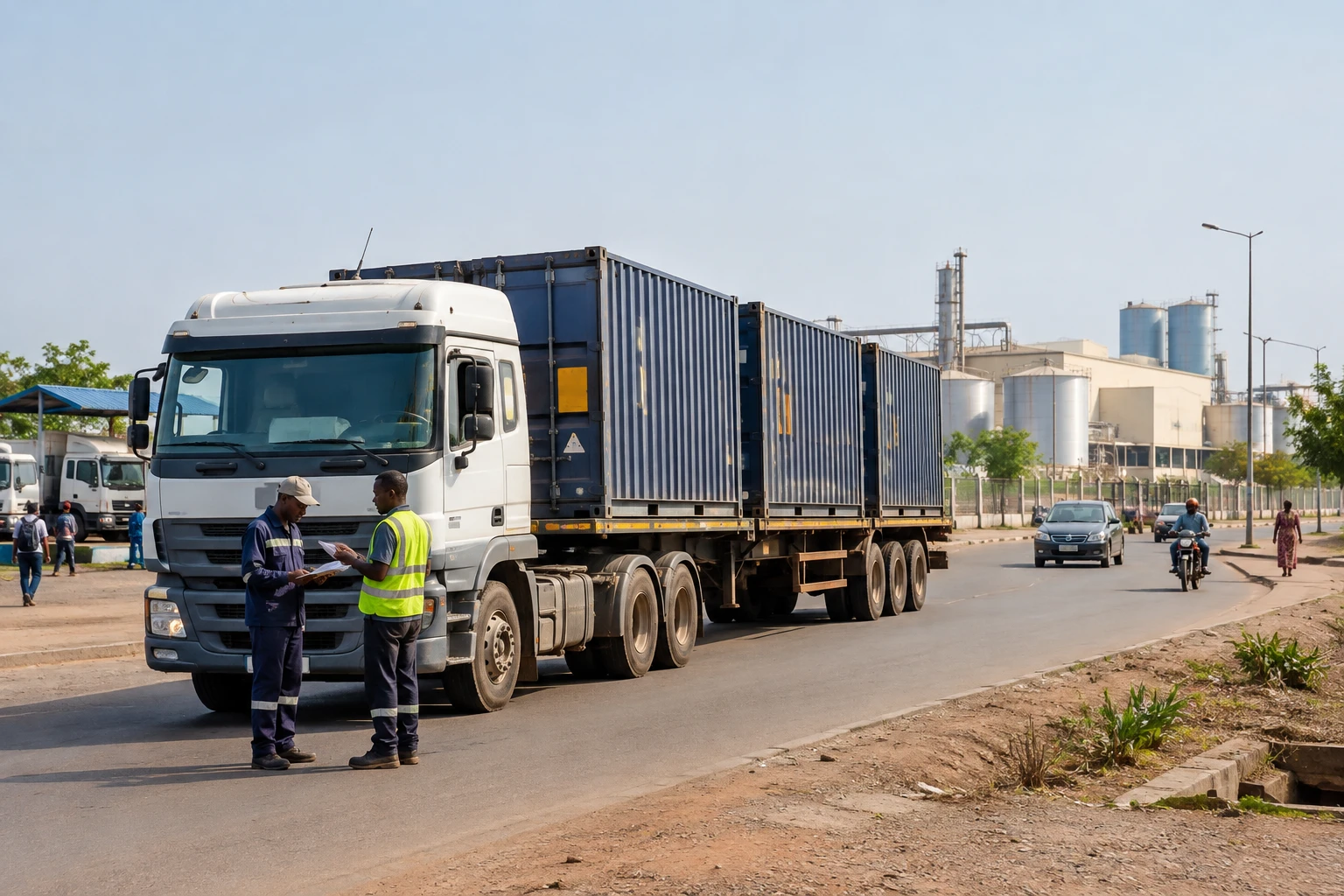
Can a refinery process Burkinabè gold without slowing its sale on international markets? In Burkina Faso, the question has arisen in the first weeks of activity at the new plant in Ouagadougou. For now, the country’s largest mine continues to ship its gold abroad.
A new step in Burkina Faso’s mining policy
On 28 September 2026, the authorities inaugurated Raffinor-BF in Ouagadougou, Burkina Faso’s first gold refinery. Its announced capacity for the first phase is 164 tonnes a year. The project represents an investment of more than 11 billion CFA francs, according to information published by the company and the Burkina Faso Chamber of Mines.
The facility is part of a strategy to process resources locally. The aim is to have some of the gold processed in the country, rather than exporting only an alloy that still needs refining. Refining can also strengthen traceability and enable a larger share of the value created by the sector to be retained locally.
The change comes in a sector that is essential to public revenue and exports. According to the Burkina Faso EITI report, declared gold production reached 60.77 tonnes in 2024, of which 53.38 tonnes came from industrial operations. EITI, the Extractive Industries Transparency Initiative, brings together data on payments and production in the sector.
Essakane has a temporary exemption
Since 1 November 2026, industrial mines have been required, according to information provided by Iamgold, to deliver their doré gold to approved refineries in Burkina Faso. Doré gold is an alloy produced after extraction that still needs refining before it becomes bars meeting market requirements.
In its quarterly report published on 5 November, Iamgold says Essakane has received temporary authorisation to continue having its gold processed abroad. The company says the metal is sent to a refinery accredited by the London Bullion Market Association (LBMA), the organisation that sets quality and trust criteria for bars traded on the London market.
According to Iamgold, Burkina Faso’s legislation provides for authorisation to refine abroad when processing locally is technically or materially impossible. The company has not specified the duration or the reason for the exemption it received. These points therefore remain to be clarified with the relevant authorities.
The Essakane mine, in the Sahel region, is 85% owned by Iamgold and 15% by the Burkinabè state. The company reports production of 372,100 ounces in 2025. This differs from the figure of 427,200 ounces cited in some reports about the matter; the company’s data are the available reference point here.
Certification is central to sales
Raffinor-BF is not on the LBMA’s Good Delivery List. This does not mean the plant cannot refine gold. However, it could make it harder for its bars to access some international sales channels directly, where buyers rely on this certification to recognise the quality and traceability of the metal.
Iamgold says processing gold at the Burkinabè refinery could lengthen sales and payment timelines. The company also cites possible additional transport, security and insurance costs. These concerns reflect a producer’s operational constraints. On their own, they do not show whether local processing will be profitable in the medium term.
The challenge is therefore twofold. Raffinor-BF must attract regular volumes and demonstrate that its procedures meet buyers’ expectations. The authorities, for their part, must clarify how to implement the new requirement without disrupting sales or undermining the revenue the state derives from the mine.
The effects are not limited to large companies. A more integrated industry could foster jobs and industrial skills in Ouagadougou. But the benefits for local communities will also depend on revenue transparency, the management of local benefits and the role given to artisanal gold miners, who do not necessarily use the same channels as industrial mines.
A test for regional ambitions
Burkina Faso is not the only West African country seeking greater control over the processing of its resources. In Ghana, the authorities have also organised gold purchases and considered local refining before gold enters international channels. The arrangements differ, but the question is the same: how can value be added locally while retaining access to global markets?
For Burkina Faso, a member of the Alliance of Sahel States alongside Mali and Niger, the stakes extend beyond the plant itself. They concern public control of resources, relations with mining companies and the ability of states in the region to negotiate the stages of processing. ECOWAS, the Economic Community of West African States, remains a regional framework distinct from this alliance.
What happens next will depend in particular on the duration of exemptions, the conditions for refinery approval and the evolution of sales of gold refined locally. Other producers operating in the country have not publicly detailed their arrangements for complying with the rules in the information available. For Raffinor-BF, therefore, announced capacity will not be enough: the test will be securing regular deliveries, reassuring buyers and making the value retained in Burkina Faso measurable.



