Algeria
 Egypt
 Libya
 Morocco
 Sudan
 Tunisia
 Benin
 Cabo Verde
 Côte d'Ivoire
 Ghana
 Guinea
 Guinea-Bissau
 Liberia
 Mali
 Mauritania
 Niger
 Nigeria
 Senegal
 Sierra Leone
 The Gambia
 Togo
 Cameroon
 Central African Republic
 Chad
 DR Congo
 Equatorial Guinea
 Gabon
 Republic of the Congo
 São Tomé and Príncipe
 Burundi
 Comoros
 Djibouti
 Eritrea
 Ethiopia
 Kenya
 Madagascar
 Malawi
 Mauritius
 Mozambique
 Rwanda
 Seychelles
 Somalia
 South Sudan
 Tanzania
 Uganda
 Angola
 Botswana
 Eswatini
 Lesotho
 Namibia
 South Africa
 Zambia
 Zimbabwe
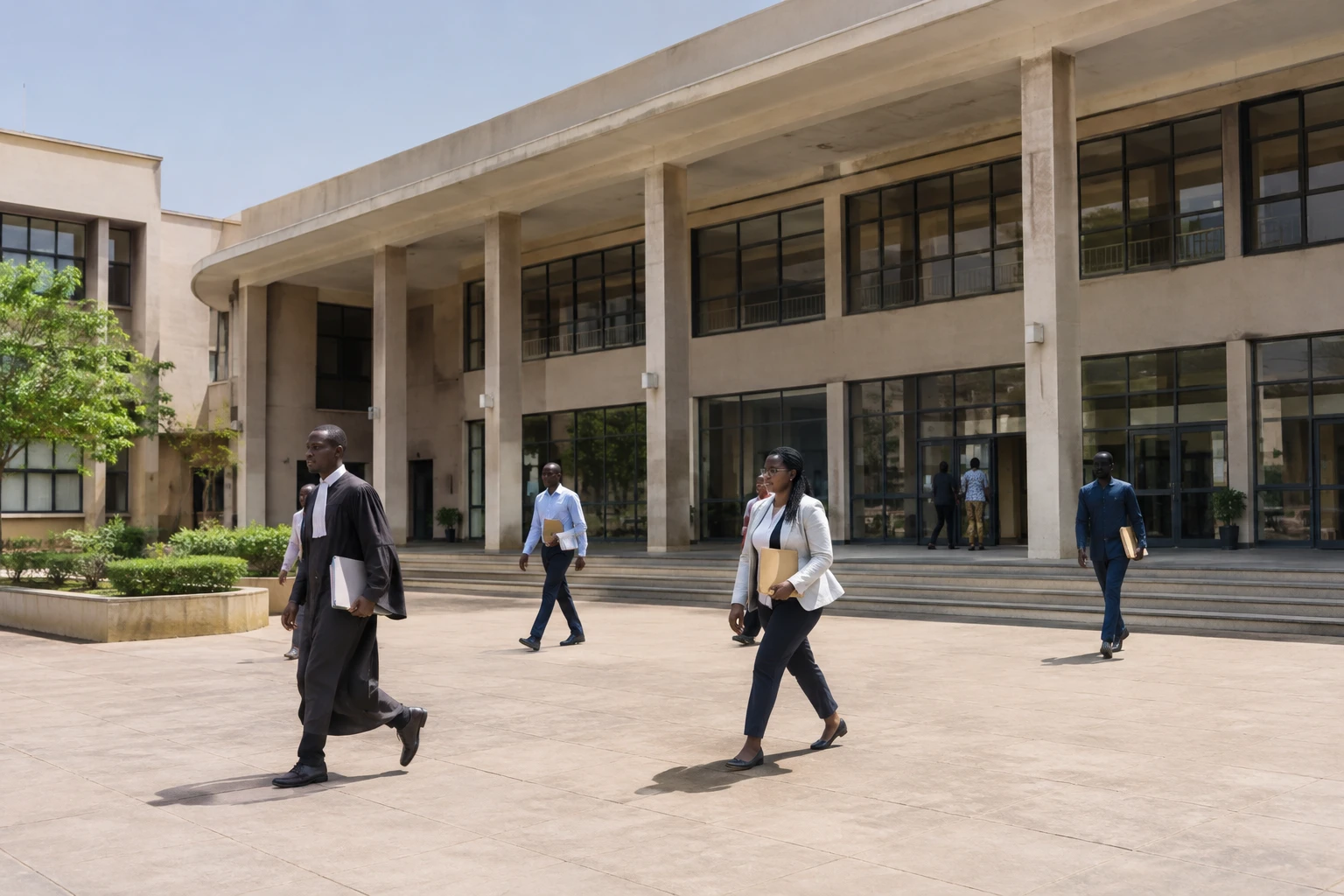
Burkina Faso has changed course on criminal law: on Tuesday 20 October 2026, parliament adopted a new Penal Code that reintroduces the death penalty for certain offences. The vote comes as the country faces serious insecurity, but it also raises a central question: how can the protection of the population be strengthened while ensuring reliable justice and effective rights?
Bill adopted unanimously by those voting
Meeting in Ouagadougou, the 71 members of the People’s Legislative Assembly unanimously approved the draft Penal Code, according to the institution’s report and the pan-African news agency APA. The text replaces the one adopted in 2018. The Assembly says parliamentary review resulted in more than 700 amendments and that the new code contains more than 900 articles. The report of the People’s Legislative Assembly states that the reform provides for the reinstatement of capital punishment and its execution procedure for certain offences.
The government had defended the bill as a way to strengthen public order and security. In December 2025, the authorities announced that the bill targeted high treason, terrorism and espionage, among other offences. However, the initial information made public after the vote does not yet set out all the offences covered or the full arrangements for implementation. APA reports that these details remain to be established. It is therefore important to distinguish the provisions announced when the bill was presented from the text that was adopted; its full version will be needed to confirm each offence carrying the penalty.
The death penalty was removed from Burkina Faso’s Penal Code in 2018 for ordinary crimes. Tuesday’s vote therefore marks a major legislative reversal, eight years after its abolition. Amnesty International says the last recorded execution in the country was in 1988. This does not mean that capital punishment had ceased to exist in every possible law or circumstance: the 2018 reform concerned ordinary criminal law.
Security, the judiciary and safeguards
The decision comes at a time when the military authorities have put restoring security at the heart of their agenda. Captain Ibrahim Traoré has led the country since the September 2022 coup. Violence by armed groups linked to Al-Qaeda and the Islamic State organisation has caused deaths and displaced people for several years. But the return of the death penalty alone cannot establish the future effectiveness of security policy: no information released with the vote shows that it will reduce this violence.
The immediate issue also concerns the administration of justice. For an irreversible sentence to be carried out, the rules governing investigations, the quality of evidence, the independence of courts and the avenues of appeal become decisive. A miscarriage of justice cannot be remedied after an execution. Debate will therefore focus as much on the offences covered as on the safeguards available to those prosecuted, particularly in terrorism or state security cases, where political and security concerns can overlap.
Amnesty International had urged the authorities to abandon the bill before its parliamentary review. The organisation considers that the return of capital punishment threatens the right to life and warns that it could be used repressively. This is the position of a human rights organisation; it does not replace analysis of the final text or scrutiny of the judicial procedures that will actually be provided for. The government, for its part, presents the reform as a response to national demands for justice and security.
The effects will not be felt equally. Residents of areas affected by violence are first and foremost looking for tangible protection and the lasting return of public services. In cities, families and legal professionals will be watching how the reform is implemented. Defendants, their relatives and lawyers will be directly affected by the safeguards for the defence, while magistrates will have to apply a substantially revised code. The law’s reach will therefore also depend on the resources and organisation of courts outside the capital.
A decision watched across the region
Burkina Faso is a member of the Economic Community of West African States, ECOWAS, although relations between the Burkinabe authorities and the regional organisation remain shaped by military transitions and disagreements over the timetable for a return to constitutional order. The country is also part of the Alliance of Sahel States with Mali and Niger. These regional frameworks matter to the monitoring of security and governance issues, but do not replace national obligations on justice.
The vote adds to broader changes to the law and institutions under the transitional government. It follows the government’s announcement of the bill in December 2025 and several years of delays to the return of an elected civilian government. For regional and continental partners, the issue is therefore not limited to the choice of a punishment: it concerns the balance between a security response, judicial oversight and respect for fundamental rights.
The next step to watch is the publication and entry into force of the full text. This will make it possible to verify which offences are in fact punishable by death, what safeguards for appeals are provided for and how the execution procedure is regulated. Until then, the political outcome is clear: all 71 members who voted adopted the Penal Code unanimously. Its legal scope and practical consequences will depend on the final text and its application by Burkina Faso’s courts.